How the Horse’s Intestinal Microbiome Works
For any horse with appetite, appearance, or attitude issues, start by addressing the microbiome.

For any horse with appetite, appearance, or attitude issues, start by addressing the microbiome.

4 key factors contribute to a leaky gut: diet, environment, performance, and medications.

N-acetylcysteine and coenzyme Q10 supplementation appears to increase natural antioxidant levels in horses’ skeletal muscles.
Senior horses with PPID need careful monitoring and preventive care because of equine Cushing’s effects on immunity, exercise tolerance, thermoregulation, and wound healing.

Here’s what to know about horse inspections, which are designed to evaluate the horse’s fitness to compete.

Dr. Amanda Adams and Erica Jacquay of the University of Kentucky describe new research on how horses of all ages respond to transport—even just trips of 1.5 hours.

Our editor-in-chief, Stephanie, found a fish oil her horse will actually eat. It’s supported his weight, energy, and skin through winter temperatures and travel stress.

Here are questions veterinarians should consider when deciding whether to treat a horse with an antibiotic.

What’s the best way to help soothe a horse’s stomach while he’s getting bute or other NSAIDs? Dr. Alicia Long of the University of Pennsylvania offers advice.

Management changes are key to preventing and treating airway inflammation.

Modifying training programs and monitoring lesion sites might help protect against PSB fractures in this population of horses.

Training horses in the spring and summer can present some challenges. Learn how your horse’s body adapts to exercise training, how he acclimates to spring and summer weather conditions, and what you can do to help him perform at his best.

In this visual guide, learn about the vital hoof structures of the navicular apparatus and what can go wrong with them.

A researcher who specializes in aging equines offers nutrition, dental care, parasite control, vaccination, exercise, and health monitoring for seniors.
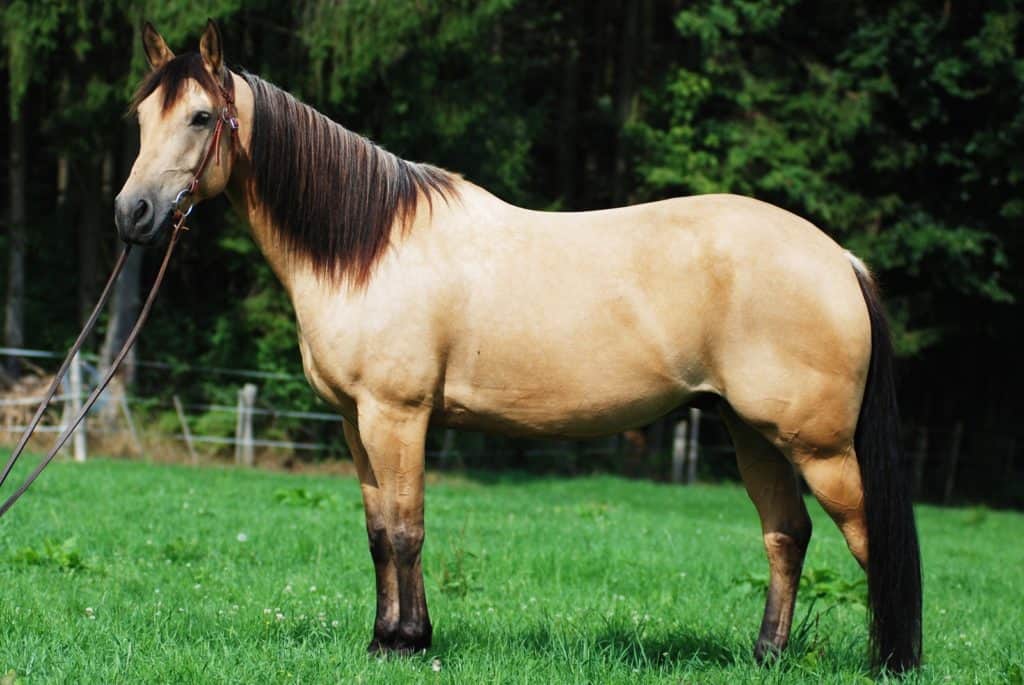
What impact do structural deviations really have on your horse’s soundness and performance? Here’s what you should know.

Researchers: Understanding the impact of early exercise on growing horses could help prevent bone fractures in the future.