2015 AAEP Focus on Poor Performance Meeting Tweets
Highlights and take-homes from the 2015 AAEP Focus on Poor Performance meeting in Lexington, Kentucky.

Highlights and take-homes from the 2015 AAEP Focus on Poor Performance meeting in Lexington, Kentucky.

The Hippolia Foundation unites equine research groups for better progress, improved funding opportunities, and more.
The two veterinarians and one clinical technician are developing sports medicine and rehab services at NC State.

Researchers ran four tests on the same group of horses to compare results and determine sensitivity and specificity.

Risk factors for equine nosebleeds appear to include age at first start, running on firm ground, and more.
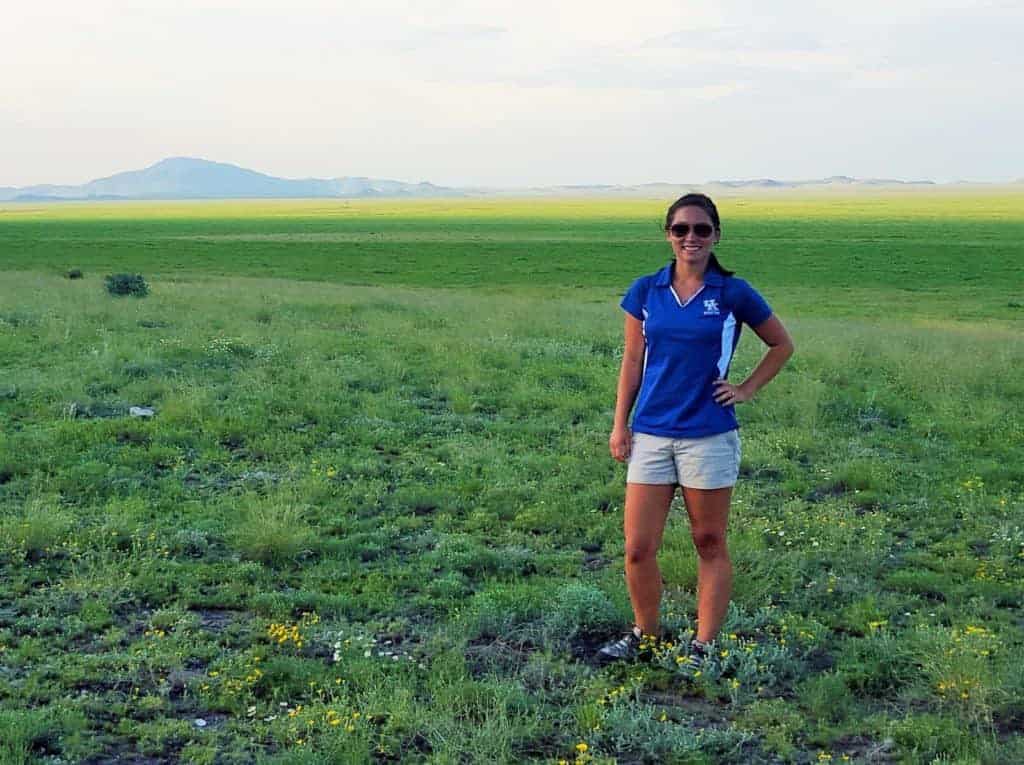
Prince’s research could ultimately help owners better manage horses that require low- or high-carbohydrate diets.

Find out how to ensure your senior horses stay healthy all through their golden years.
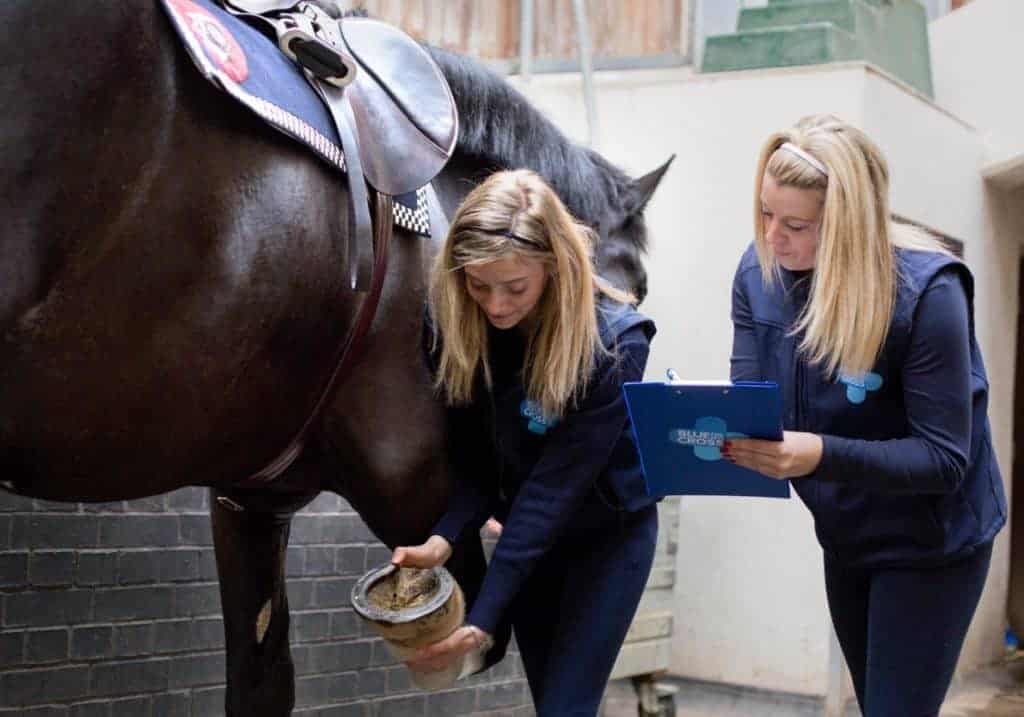
A British survey revealed that lameness is three times more likely to be caused by limb conditions than hoof problems.
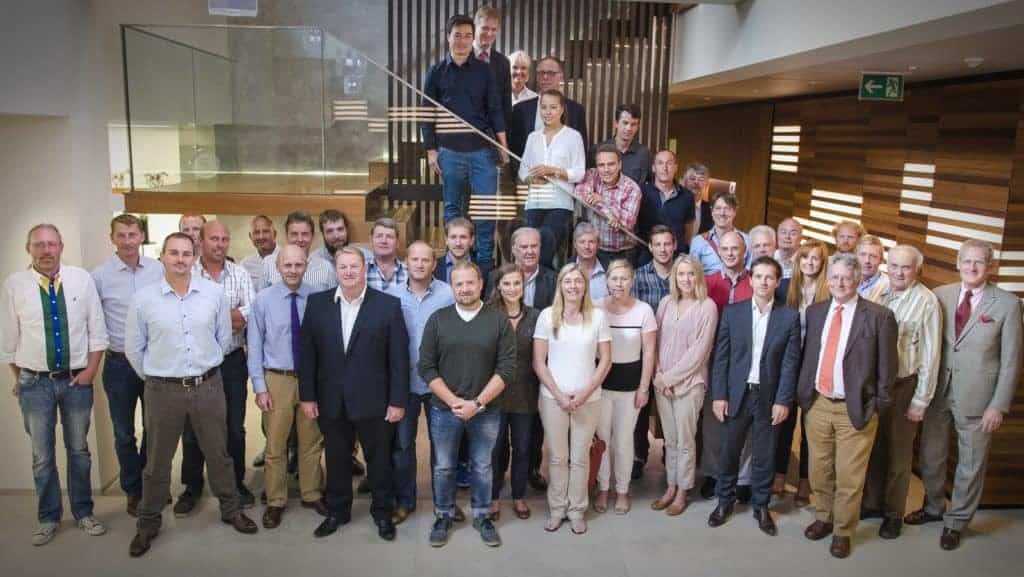
The experts agree that research results could evolve into standards that can help protect horses and riders.

Equine veterinarians confirm motion capture could be useful for objective measurements of ataxia, or incoordination.

Dr. Brian MacNamara has special interests in lameness and the causes of poor performance in the equine athlete.

Horses could be more sustainable athletes if riders condition them better and monitor their health and fitness often.
Researchers have been hard at work studying this contagious respiratory disease.

Researchers learned that the total bacterial load was higher in horses with heaves than in healthy horses, and more.

Here are the steps to take and information to gather when faced with a colicking horse.

Researchers found that 69% and 54% of polo ponies examined had glandular and squamous ulcers, respectively.