Florida EHV-1 Outbreak Recap
This equine herpesvirus outbreak serves as an excellent reminder of the importance of good biosecurity practices.

This equine herpesvirus outbreak serves as an excellent reminder of the importance of good biosecurity practices.
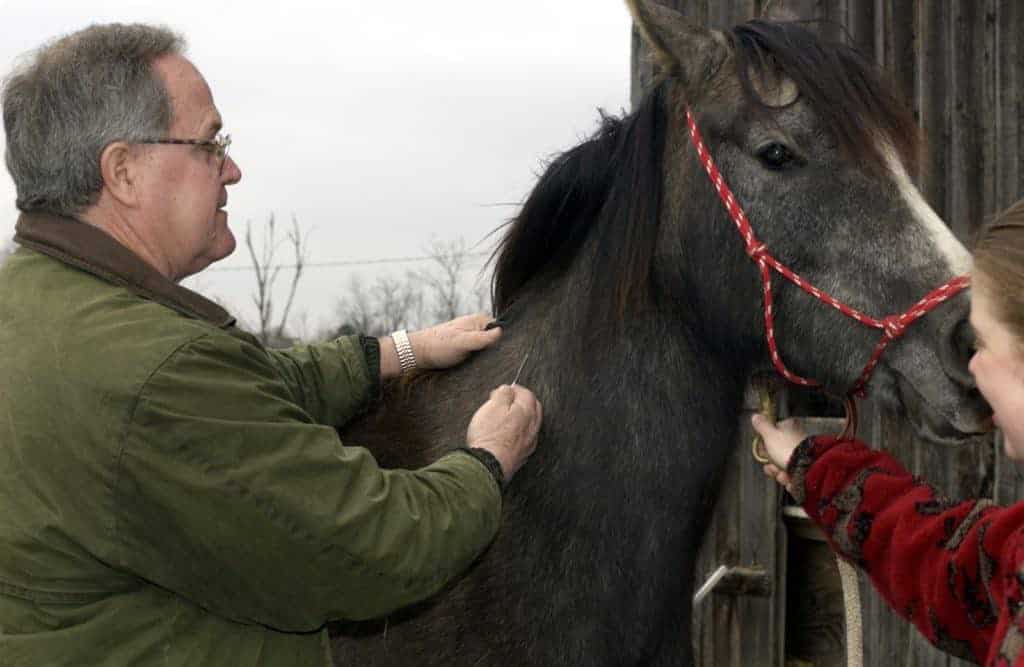
Brad LeaMaster, DVM, PhD, advised owners to protect their horses against WNV and EHV-1 this spring.

Researchers say not all biosecurity protocols owners use will protect horses from infectious diseases.
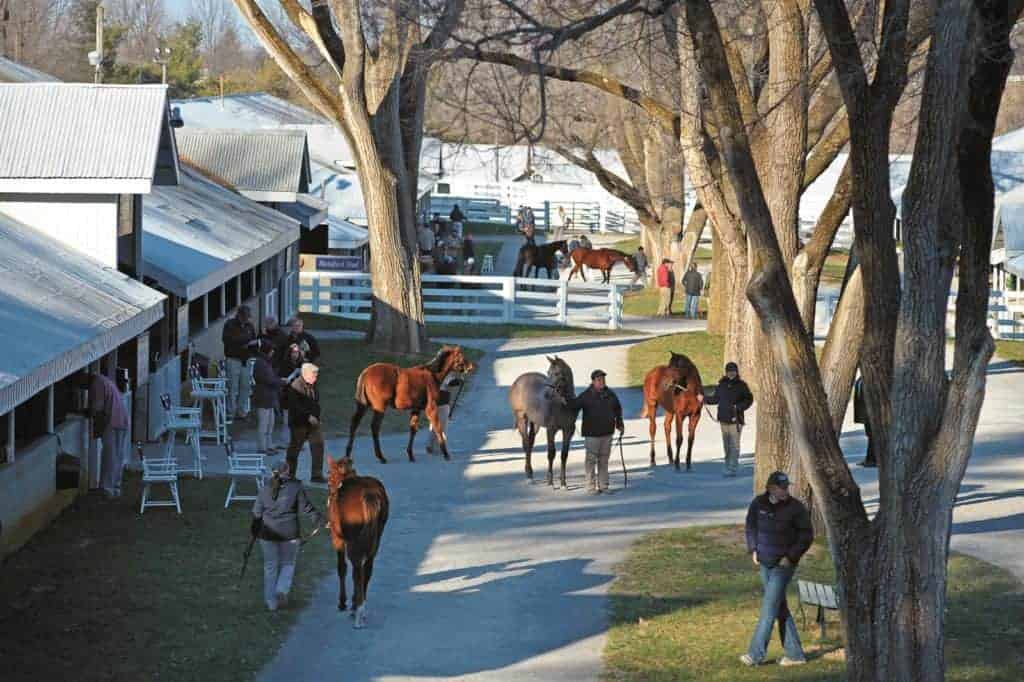
Remember to employ good biosecurity practices to help prevent infectious disease spread.

Special Edition: We address current EHV-1 cases in North America and offer information to protect your horses.

Dr. Susanne Münstermann reviews the World Organization for Animal Health’s (OIE) role in preventing global disease spread at the 2012 International Conference on Equine Infectious Diseases.
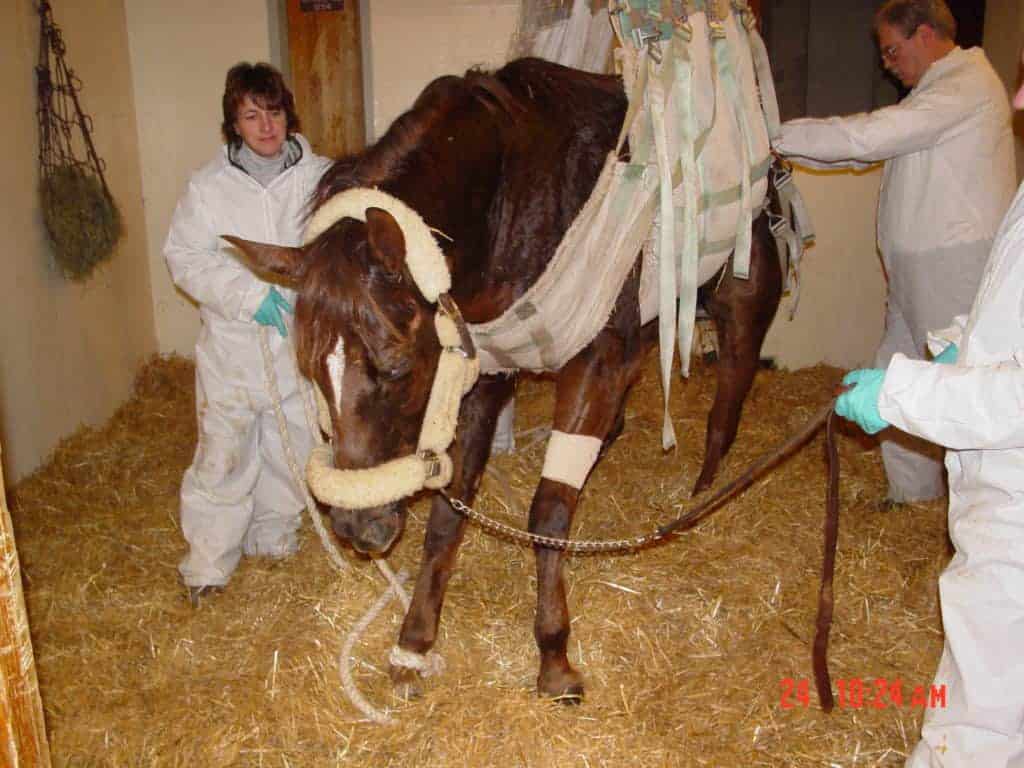
One veterinarian discussed disease characteristics and why it might be on the rise at a recent conference.

Veterinarians are uniquely equipped to tailor infectious disease prevention programs, one researcher says.

Dr. David Horohov of University of Kentucky’s Gluck Equine Center shares the importance of bringing experts together from around the globe at the 2012 International Conference on Equine Infectious Disease.

Dr. Richard Newton of the Animal Health Trust, in Newmarket, U.K., describes how countries prevent emerging equine diseases and how horse owners and veterinarians can help.

Researchers are seeking participation in a survey evaluating biosecurity practices at equine breeding farms.
Governor Pat Quinn signed a bill into law Tuesday designating Miniature Horses as recognized service animals.
A biosecurity plan is essential to minimizing the risk of horse pests and diseases, including hendra virus.

Farm owners can take steps to minimize the introduction and spread of infectious equine diseases.
Current health certificates and proof of negative Coggins tests are required at championship shows in 2012.

At home, your horse lives in an environment that you or barn staff strive to keep “biosecure,” or well-defended against infectious disease. But when you and your horse head off property, you’re taking him out of that controlled environment and exposing him to unfamiliar horses and possibly illness. Here, we discuss ways to protect your horse from infectious disease when traveling