What is in it for EHV-1?
Horse owners in the western United States are coming to grips with an equine herpesvirus myeloencephalopathy (EHM) outbreak, and the entire industry seems to be involved in the equine herpesvirus-1 (EHV-1) discussion.

Horse owners in the western United States are coming to grips with an equine herpesvirus myeloencephalopathy (EHM) outbreak, and the entire industry seems to be involved in the equine herpesvirus-1 (EHV-1) discussion.
Find out how the organizing committee of one of the largest Quarter Horse shows in the nation is handling

Equine herpesvirus-1 is a highly contagious infection that can cause respiratory disease in weanlings and young horses, abortion in pregnant mares, and neurologic disease in adult horses. Herpesvirus is widespread in the equine population.
“Equine Herpesvirus-1 (EHV-1) Outbreak: What Horse Owners Need to Know” is now archived and available to view
Webinar update on the equine herpesvirus-1 (EHV-1) neurologic disease outbreak and prevention/management tips.
Biosecurity is a big word that many livestock owners don’t fully understand. Let’s break it down: Bio means
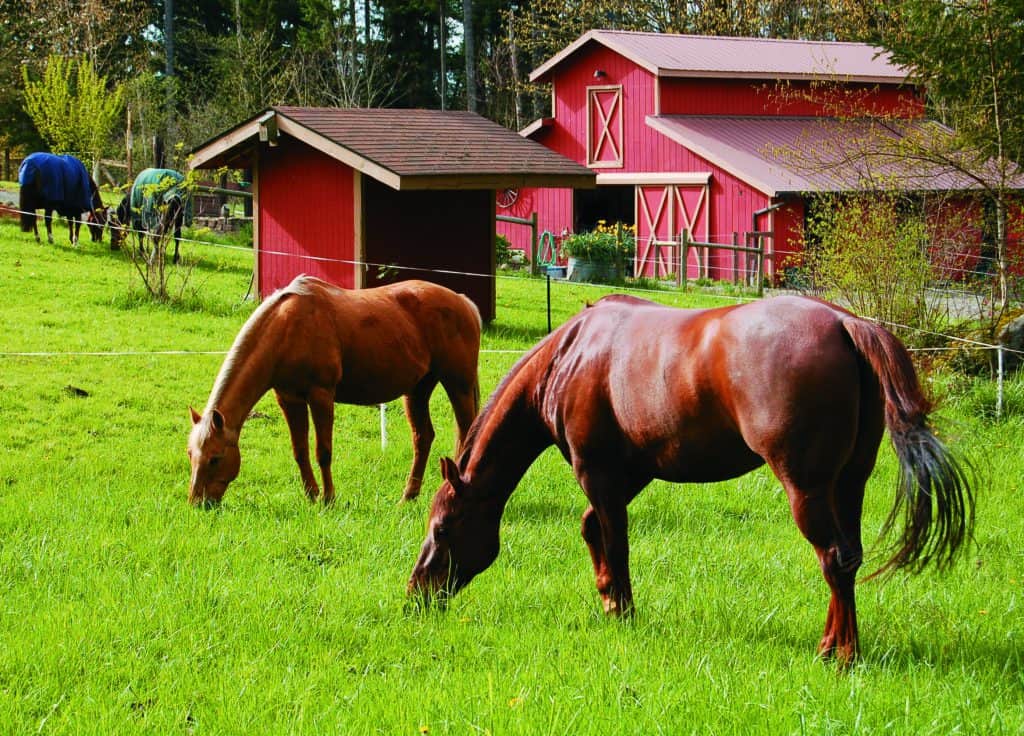
What environmentally friendly management practices might work for you and your farm?
The immune system allows humans and animals including horses to survive in a complex world filled with harmful bacteria and viruses that can use our bodies for nourishment and reproduce within us. The immune system protects us from those organisms

Learn how to clean and disinfect a dirty stall between horses, after a sick horse occupies it, or before placing a mare in the stall to foal (with Dr. Roberta Dwyer of the University of Kentucky’s Gluck Equine Research Center).

Dr. Paul Morley discusses infectious diseases and biosecurity as they relate to both animals and people.

Learn how the United States is safeguarding its horse population against foreign diseases with quarantine protocols for World Equestrian Games equine athletes.
The movement of horses internationally is underscored with the upcoming Alltech FEI World Equestrian Games (WEG) Sept. 25-Oct.10 at the Kentucky Horse Park.

Quarantine, confinement, and stress can affect World Equestrian Games (WEG) horses.
It is important to thoroughly clean and disinfect stalls where mares foal. Disinfectants such as phenolic compounds will kill rotavirus, as well as salmonella, R. equi, and other equine pathogens.
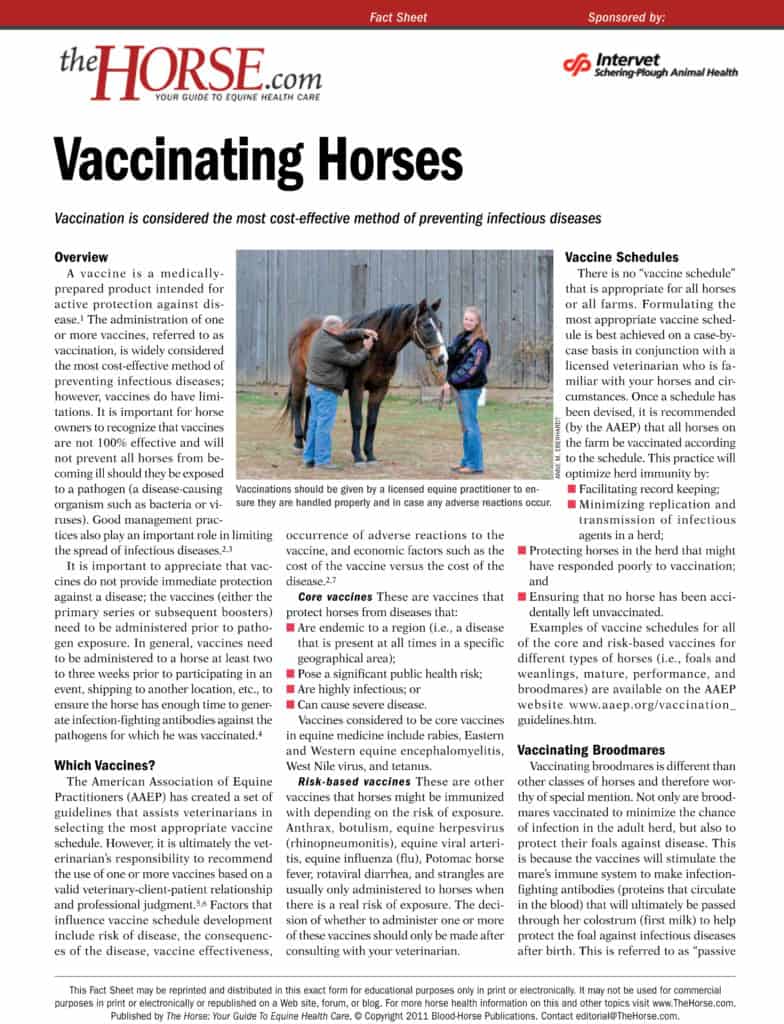
Vaccinating horses is generally considered to be the most cost-effective method of preventing infectious diseases; however, vaccines do have limitations.
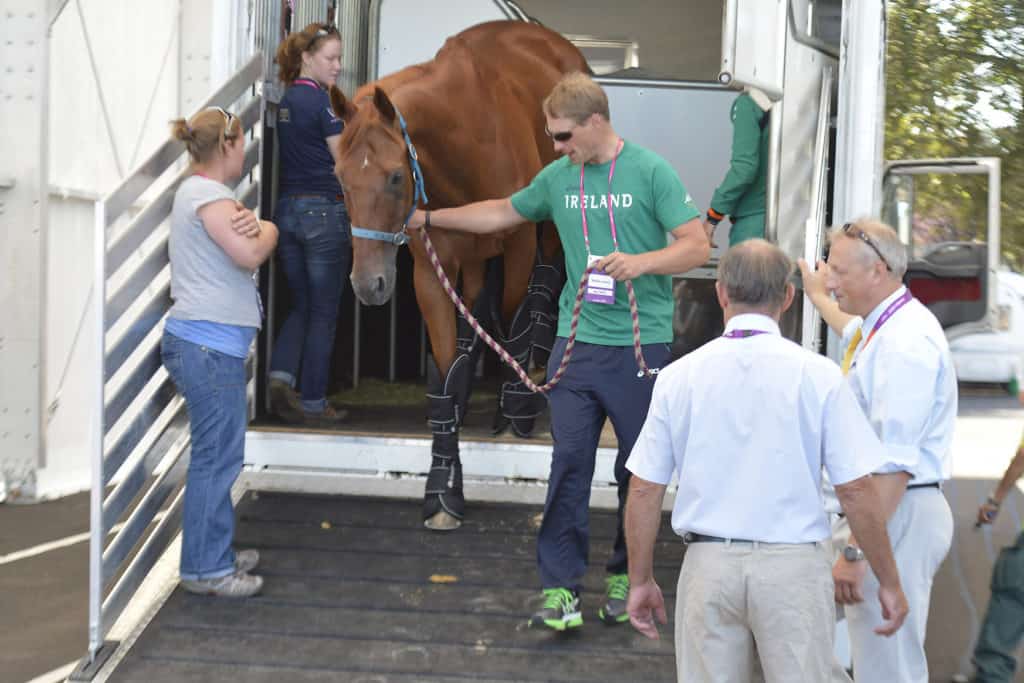
The risk of global dissemination of equine diseases has increased with the growth in international trade and competition. Specific diseases have been introduced or re-introduced into countries through the importation of equids/semen. Such incursions can have a very significant economic impact on the industries involved.