Getah Virus: Significance as an Equine Pathogen
A 2014 outbreak at a Japanese racing stable re-awakened awareness of Getah virus and its threat to horses.

A 2014 outbreak at a Japanese racing stable re-awakened awareness of Getah virus and its threat to horses.

Rain can result in an abundance of mosquitoes, which can transmit serious diseases to your horse.

From vaccinating against disease to storing feed properly, learn how to protect your horses from pests.

There’s still time to take steps to protect your horse from these two potentially deadly mosquito-borne diseases.

Vaccinating, eliminating standing water, and stalling horses can reduce the risk of mosquito-borne disease.

Toxic reactions to bites are uncommon in horses, but when they do occur the consequences can be serious.

Owners are encouraged to vaccinate their horses prior to the onset of peak mosquito season.

The study’s results will serve as a basis for education and research related to equine health and management, and more.

Bats have moved into one horse owner’s barn. Find out if that’s a good or bad thing.

A coordinated insect control approach can help keep horses as fly-free as possible this spring.
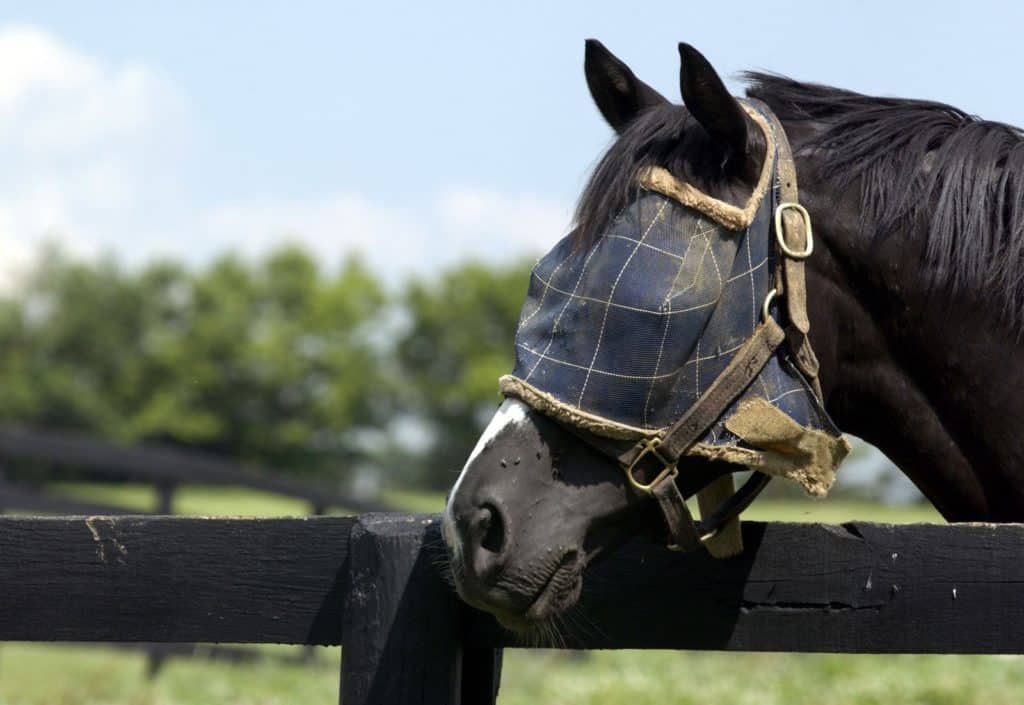
Fewer flies and less chemical warfare can create a healthier barn environment for you and your horse.
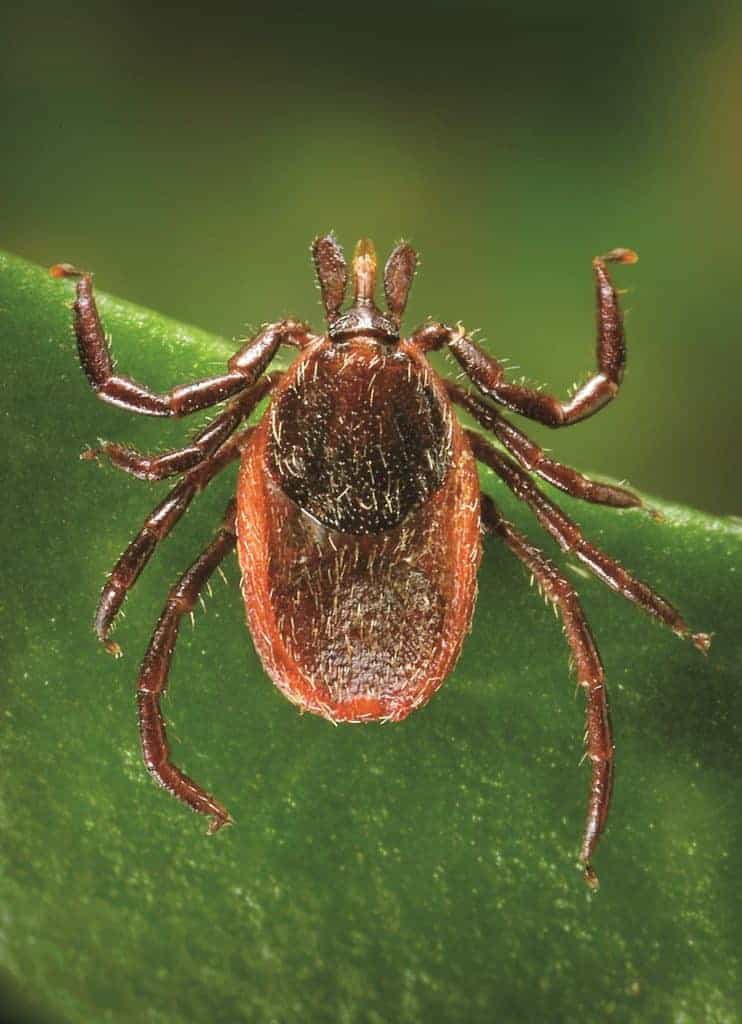
Learn how horses contract Lyme disease, what clinical signs to watch for, how to treat it, and more.

Learn about this difficult-to-diagnose disease, what clinical signs to watch for, and how veterinarians treat it.

Ticks might be tough opponents, but there are things you can do to reduce pasture infestations and protect horses.

By maintaining a clean facility, instituting several simple biosecurity precautions, and regularly disinfecting your barns and stalls, you will be better able to prevent and control disease on your farm.

Disease-harboring mosquitoes and flies top most horse owners’ list of bugs to beware of, but don’t forget these other horse and barn-harming pests.