A Few Tips and Tricks for Giving Oral Medications to Your Horse
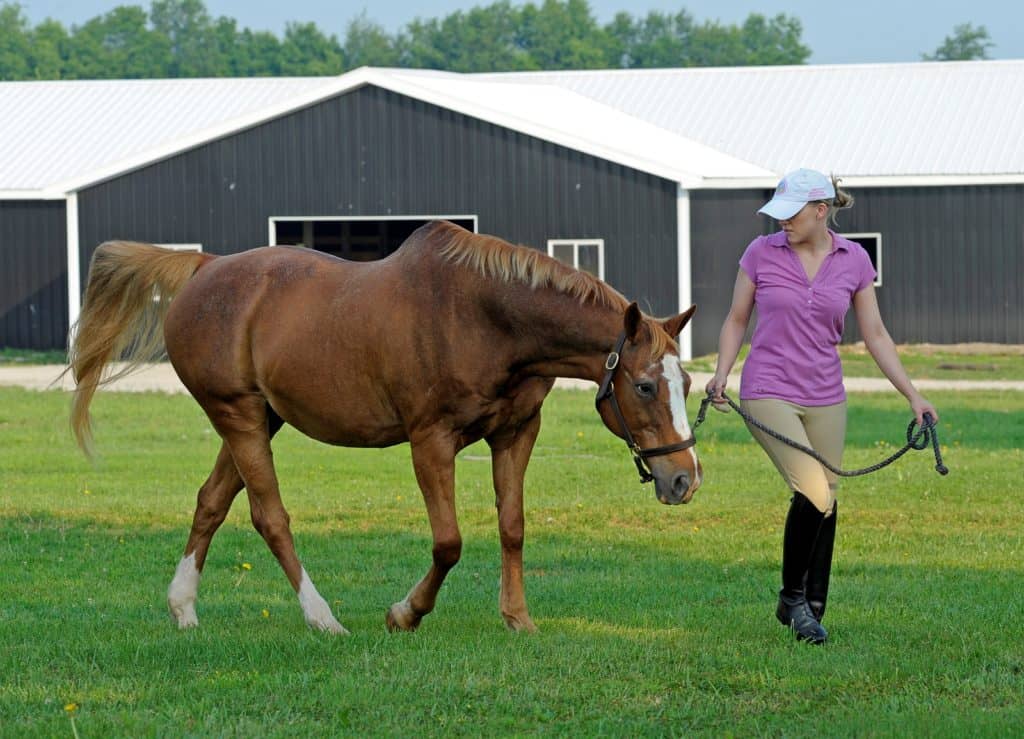
Stephanie shares some tips and tricks she learned recently while trying to medicate her off-track Thoroughbred, Happy.

Stephanie shares some tips and tricks she learned recently while trying to medicate her off-track Thoroughbred, Happy.

The summit, which was organized and underwritten by Grayson-Jockey Club Research Foundation and The Jockey Club, featured discussions on topics ranging from disaster preparedness, jockey injuries, and equine injuries to racing integrity, Thoroughbreds as sport horses, and racing surfaces.

It’s the question that always ignites a fierce debate in the racing world: Should people be able to race Thoroughbreds under the influence of therapeutic medication?

Parasitologist Dr. Ray Kaplan explains why we need a paradigm shift from “deworming” to “parasite control” when managing our horses.

Did you know your horse could be suffering from equine Cushing’s disease long before his coat turns long and curly? Learn how to recognize subtle signs and offer your horse an early intervention for PPID.

Beginning June 15, all medroxyprogesterone acetate (MPA, or Depo-Provera) disclosure forms must be submitted electronically.

Consider these dietary changes to help reduce the laminitis risk and discuss with your veterinarian whether certain medications could help your horse.
Colic often needs immediate veterinary intervention. Dr. Louise Southwood offers advice for rural horse owners who live far away from their veterinarians.
Researchers are working to find other potential race-day therapies that can be used to manage EIPH if proposed legislation banning race-day furosemide use in the U.S. is passed.
Also, the FEI Tribunal issued its final decision in a case against an Italian jumper whose horse tested positive for stanozolol and ketoprofen.

Do horses with PPID, EMS, and/or IR have a greater laminitis risk after receiving joint injections? Drs. Vern Dryden and Amanda Adams respond.

Learn what distinguishes PPID, EMS, and IR from each other and how to care for “metabolic” horses.
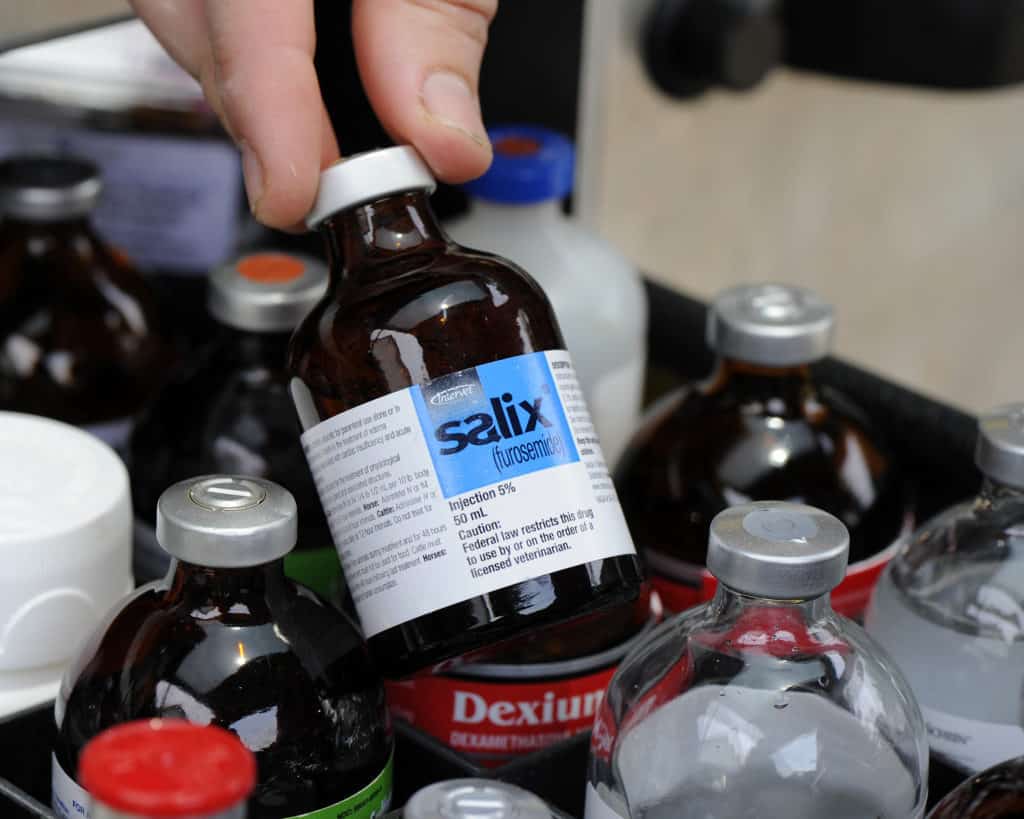
When horses received furosemide four hours before exercise, 93% had a zero EIPH score one hour post-exercise versus 60% when it was given 24 hours before exercise.

Fleming is studying carrier proteins in circulation in horses’ bodies that have the potential to be used as biomarkers.

A look at racing ethics could help researchers and industry members acknowledge rightful concerns from a well-meaning public, help resolve misconceptions, and contribute to better equine welfare.

A recent study has revealed that aspirin’s effects on horses seem less pronounced than in humans. In fact, some horses might be resistant to it.