Deworming Foals
Should a foal be dewormed during its first 6 months of life? Dr. Wendy Vaala responds. This podcast is from the Equine Life Stages: Foals Q&A audio event.

Should a foal be dewormed during its first 6 months of life? Dr. Wendy Vaala responds. This podcast is from the Equine Life Stages: Foals Q&A audio event.

There are no easy answers when it comes to colic surgery, just as there are no easy decisions.
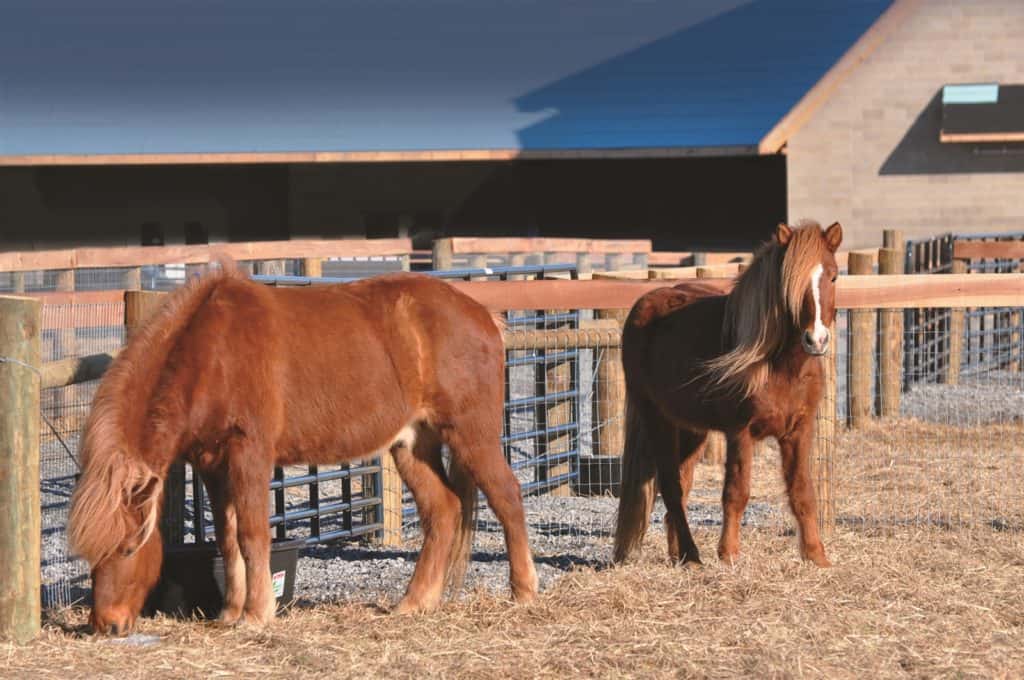
Consider your property’s equine traffic, geographic location, and parasite control goals to create an effective program.

Last spring my veterinarian requested her clients stop deworming their horses. We now do no deworming and have her perform two fecal egg counts per year–one in the spring and one in the fall. Is this program of not deworming okay for my horses?
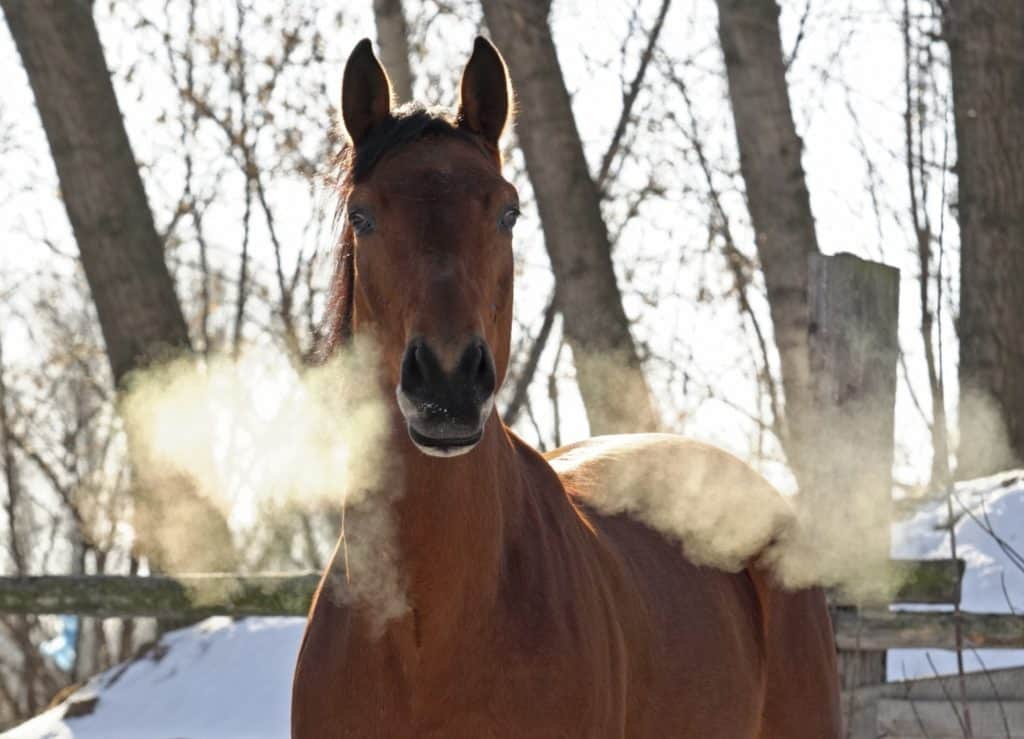
Dr. Laurent Couetil talks about the environmental factors that impact horses with heaves and ways to treat the disease.

The crowdfunding project, which ended on March 10, is possibly the first such effort in the veterinary science field.

What safety concerns do you look for when selecting a new stable for your horse?

Research teams from the University of Kentucky Gluck Equine Research Center and George Mason University have defined a new advanced statistical model to evaluate anthelmintic dewormer efficacy.

Spring is a great time to schedule a veterinary visit and create a vaccination plan for your horse. Get the most out of your horse’s annual wellness exam with help from our experts.

Drug compounding seems to hit the news every few years. What’s the big deal?

Because poorly controlled pain can be a deciding factor for euthanizing laminitic horses, an appropriate and timely approach to pain management is critical in caring for affected horses.

The whole painful process–deciding when the time has arrived, disposing of remains, dealing with grief–can be made less stressful when everything involved with the euthanasia process is understood and decisions are planned ahead of time.
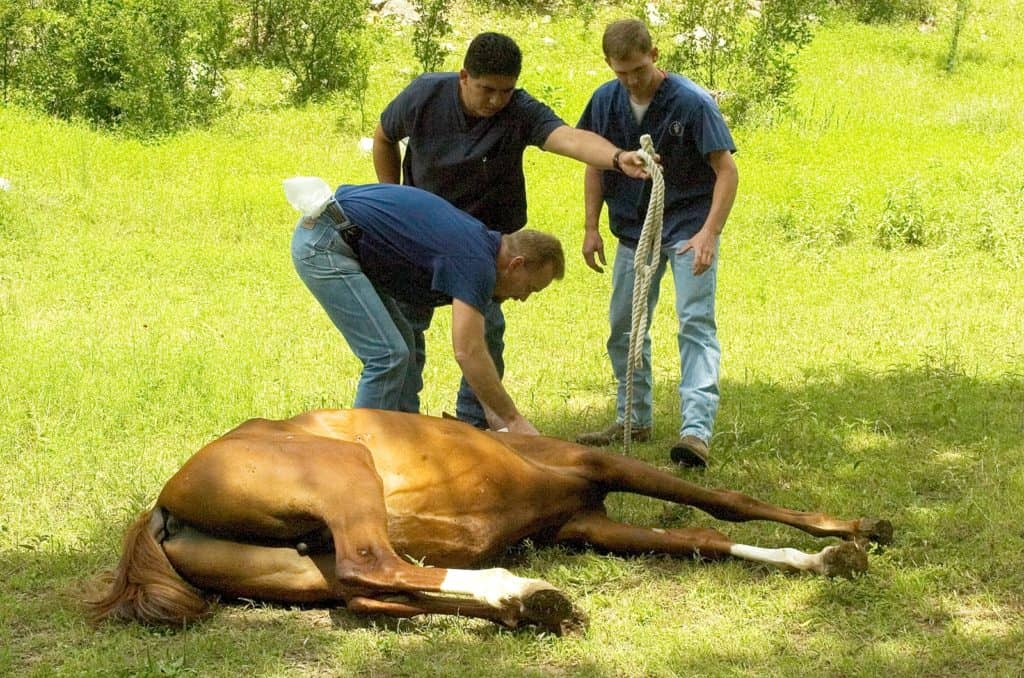
The longer a horse is under anesthesia, the greater the risk. Learn how veterinarians safely anesthetize horses in the field for 60 minutes or longer.

Having a plan in case of an adverse reaction can help your horse stay comfortable following vaccination.
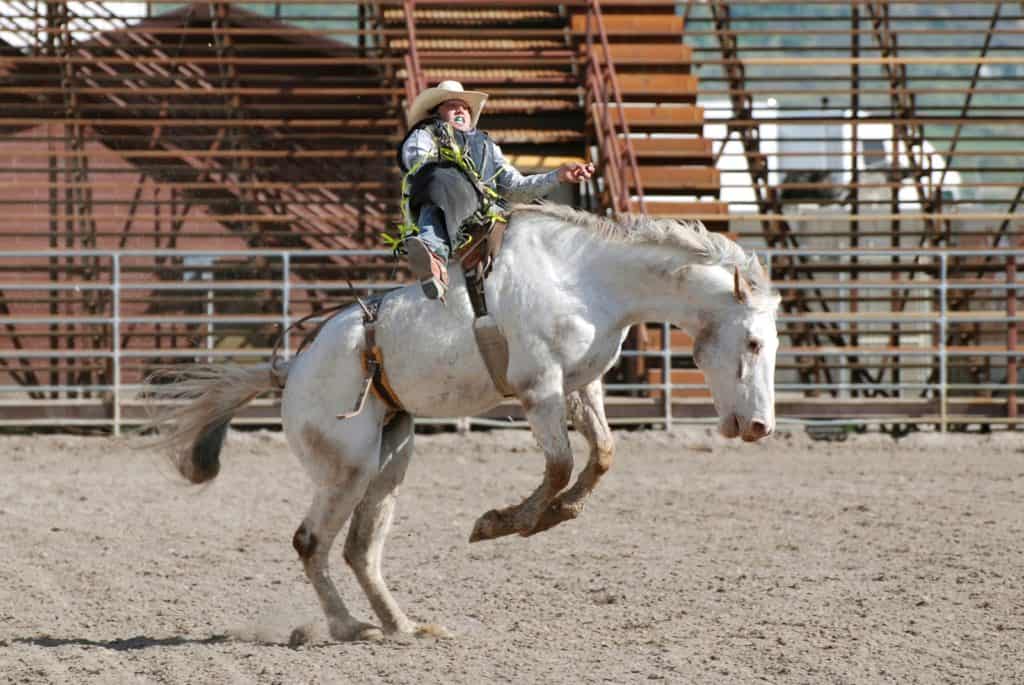
Treating “untouchable” horses, such as some rodeo stock, is a rare but real challenge for veterinarians. Doing so requires experience, modified drug dosages, and creative restraint techniques to keep humans and horses safe during handling.

Working with horses can be very rewarding, but before deciding your level of involvement, it is important to plan a realistic long-term budget for time and finances.