Athletes to Trail Warriors: Caring for the Adult Horse
Learn about caring for the health of adult show and recreational horses.

Learn about caring for the health of adult show and recreational horses.

The navicular is a tiny bone that can cause big problems in horses. It and its associated structures are responsible for up to one-third of all front-limb lamenesses.

Ticks might be tough opponents, but there are things you can do to reduce pasture infestations and protect horses.

The 66th Annual Midwestern Conference of Parasitologists took place June 5-7 at the University of Kentucky’s Gluck Equine Research Center.

Here are some tips for making your horse shine without hindering his long-term health.
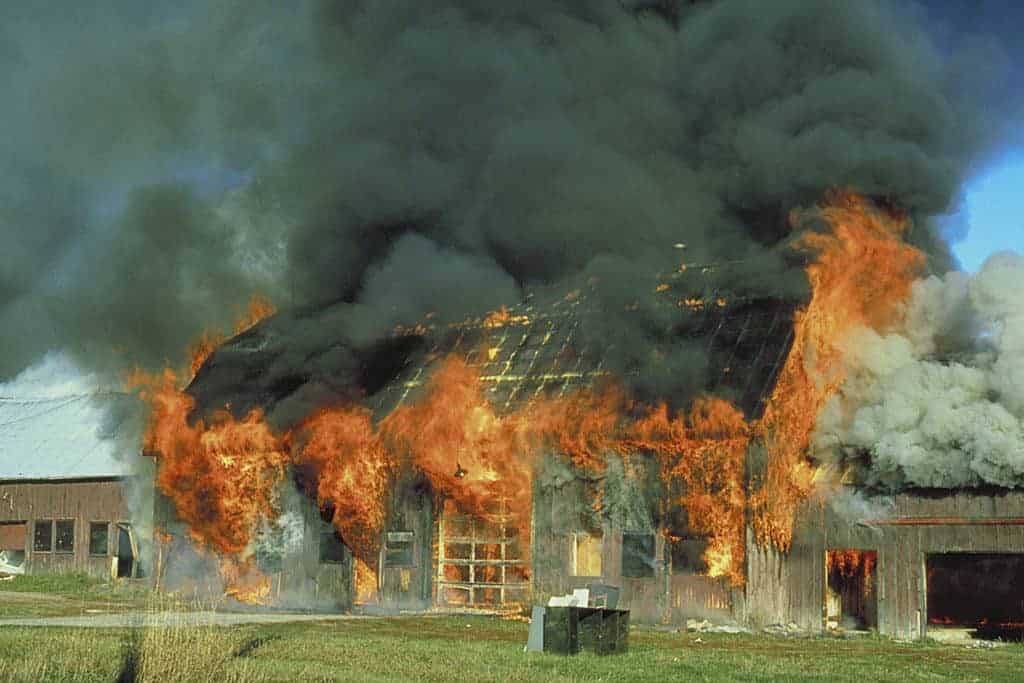
The most reliable approach to fire safety is to plan for the worst by having solid procedures in place for fire prevention and adhere to them daily.

If you own or care for a stallion or gelding, either you must become educated about sheath cleaning, or you should have your veterinarian or an experienced horse person handle the task.
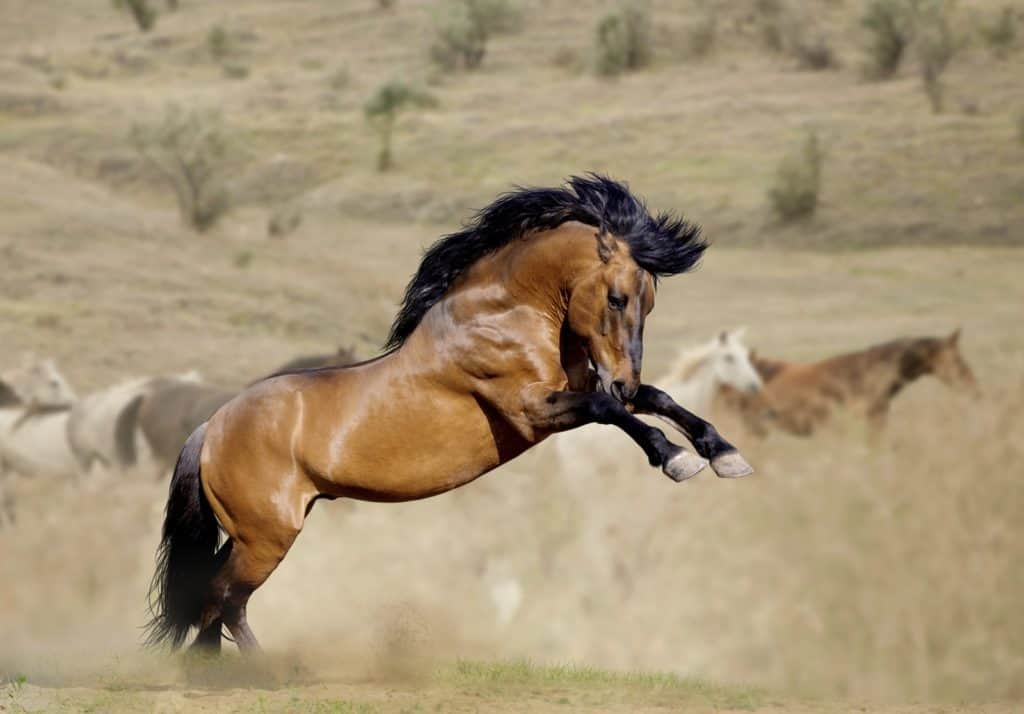
Last fall I adopted a wild mustang stud. Would gelding him help calm his wild attitude?
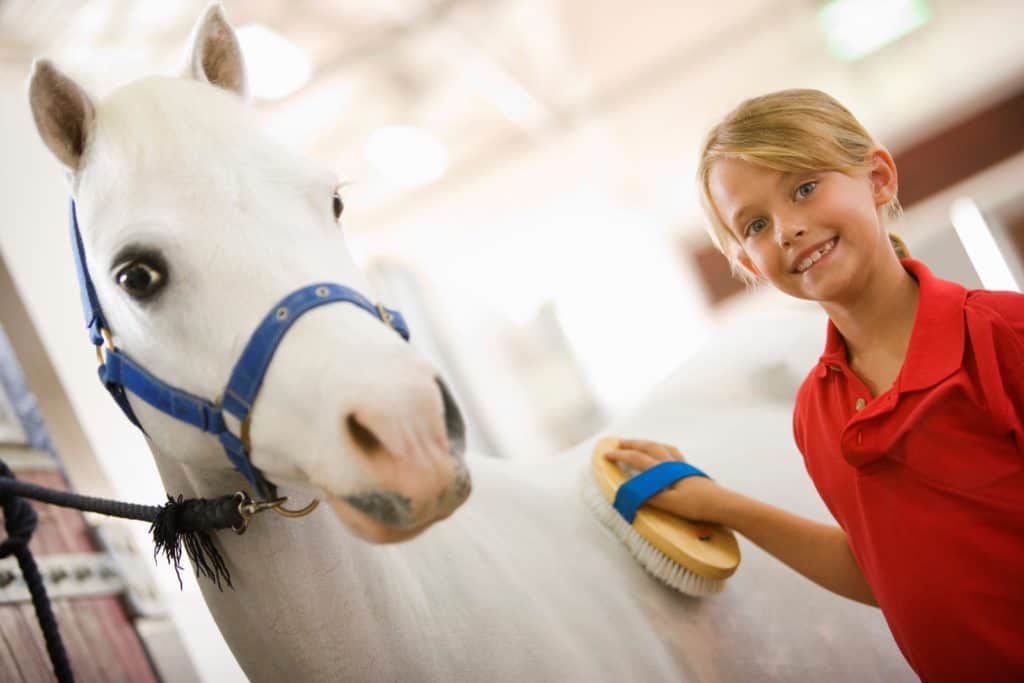
Horse grooming tools come in an assortment of styles and types, with each designed for specific tasks. Selecting the right tools for your grooming kit will depend on both your and your horse’s preferences.

Whether you’re heading south for a winter show circuit or relocating permanently, preparation is key.

Although laparoscopic castration reduces the risk of problems (such as edema and infection) after surgery and allows for a shorter recovery time, testosterone production and stallionlike behavior persist in some horses following the procedure.

By maintaining a clean facility, instituting several simple biosecurity precautions, and regularly disinfecting your barns and stalls, you will be better able to prevent and control disease on your farm.

Veterinarians should consider several important issues when using or prescribing compounded products.

What is your opinion on using tranquilizers to calm a horse down so you can ride it? I’m thinking of our son’s mare who is a little too hot at this time of the year.

Deworming guidelines have changed in recent years. Find out what’s best for young horses. This podcast is from the Equine Life Stages: Young Horses Q&A audio event.

Blood testing can provide important information, but it almost always needs to be interpreted relative to the clinical examination findings, history, and additional testing in order to arrive at an accurate diagnosis of the problem.