The Golden Years: Caring for the Senior Horse
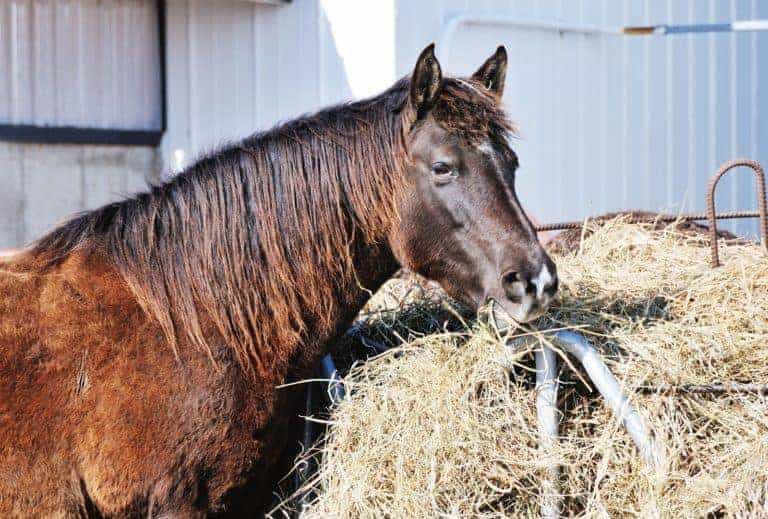
With a little extra care and attention, many older horses can have an extended career and a comfortable life.

With a little extra care and attention, many older horses can have an extended career and a comfortable life.
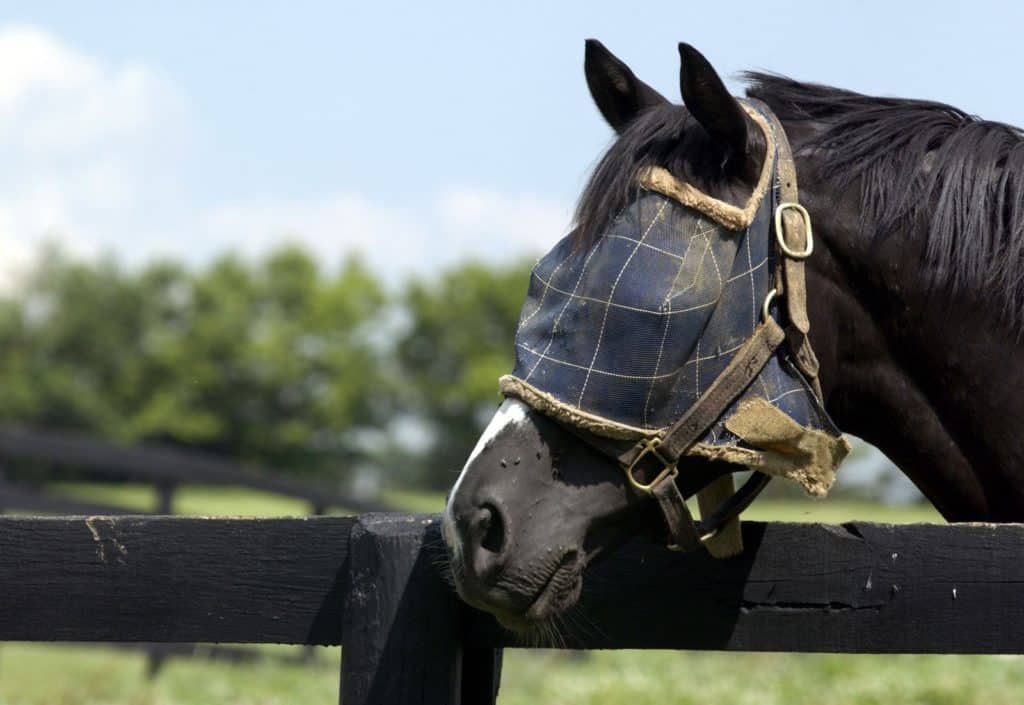
Fewer flies and less chemical warfare can create a healthier barn environment for you and your horse.

Is your horse showing clinical signs of an infectious disease? Here’s how to care for your horse and protect others in our step-by-step visual guide.

An owner seeks advice about deworming her horse that lives alone, travels to a public barn for exercise, and had a fecal sample that did not reveal any parasite eggs.

Science trumps tradition when it comes to gelding male horses.

Drug screening can offer additional information pertaining to the horse’s ability to fit a buyer’s needs.

Rarely a week goes by during late summer and fall that a state animal health authority doesn’t report vesicular stomatitis cases. But, what is this disease and should you be concerned about it infecting your horses?

Horses are at risk for contracting a number of diseases that can have mild to devastating consequences.

Find out how dynamic mobilization, core strengthening, and balancing exercises can help stabilize the horse’s spine and the fore- and hind limbs’ attachment to the body.

Are you concerned about transporting your horse during a vesicular stomatitis (VS) outbreak? A veterinarian shares tips on how to protect your equids while traveling.

Learn about 20 important equine infectious diseases that could make your horse sick, how they are spread, and ways to prevent them in our easy-to-follow visual guide.
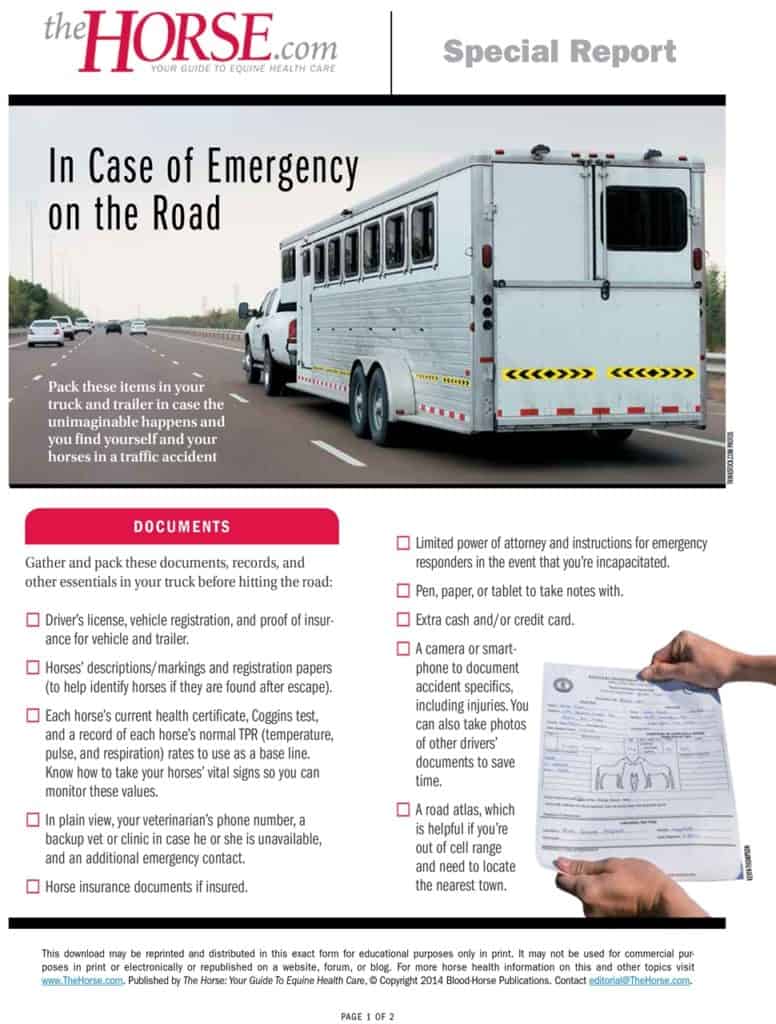
No one wants to encounter an emergency when hauling horses. However, we all know problems can arise. This trailer-safety checklist will ensure you’re prepared to deal with emergencies if they do come up when you’re hauling horses.

Regulating body temperature becomes difficult for all horses when temperatures exceed 90 degrees, so avoid exercising them during very hot periods.

All owners should know their horses’ normal vital signs and how to take them correctly. Here’s a review.

When it comes to diagnosing a horse’s lameness, the veterinarian’s eyes are no longer the ultimate diagnostic machine. Learn about scientific advancements that are helping veterinarians better assess lameness in horses.

Learn how to safely take your horse from flabby to fit step-by-step with our visual guide.