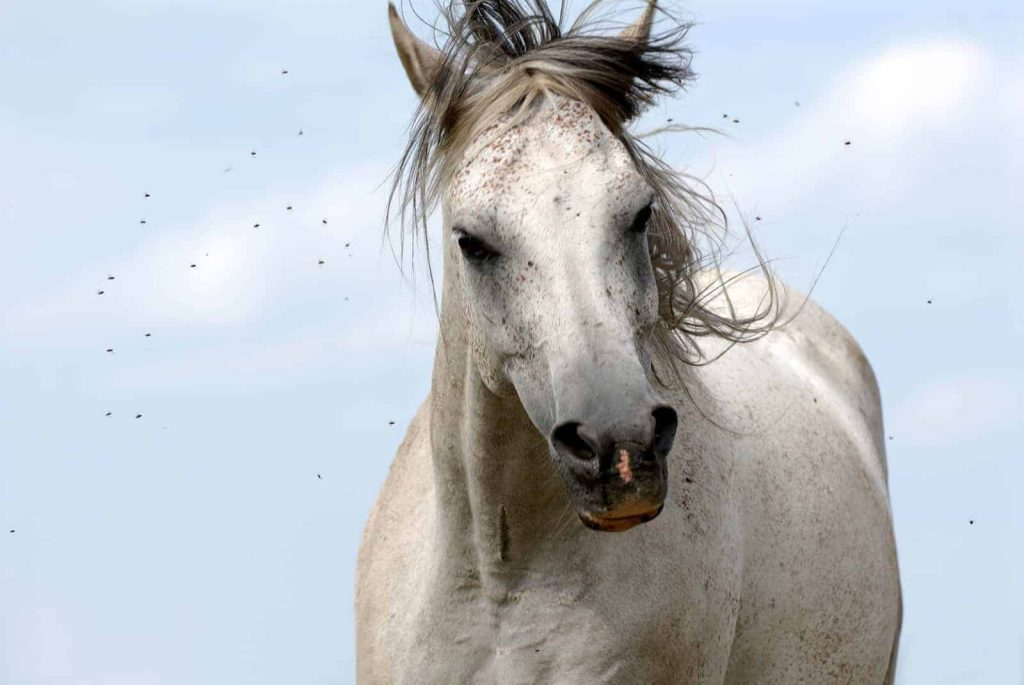
Get a Jump-Start on Fly Season
Practicing smart insect control tactics year-round can help you keep populations under control.

Practicing smart insect control tactics year-round can help you keep populations under control.

The veterinary shortage in equine practice is no longer pending; it has already arrived.

The supply of equine veterinarians is diminishing rapidly. How can horse owners help?

Researchers have determined that testing bronchoalveolar lavage fluid might be the most accurate way to diagnose horses with equine asthma.

Learn about the American Association of Equine Practitioners’ recommended core and risk-based horse vaccines in this handy special report. Sponsored by Boehringer Ingelheim.

The key to keeping your allergy-prone horse comfortable is figuring out the causes of his reactions and avoiding them. Learn more about allergic reactions in horses with this step-by-step visual guide.

Hives in horses presents as localized, raised bumps on the skin, and they can vary in number, severity, and frequency of occurrence. Here’s what you should know.

Insect-bite hypersensitivity can become a serious issue for horses that react to fly and midge bites.
Researchers say these drugs hold great promise for managing horses with EMS when used appropriately.

How should a senior horse with equine Cushing’s disease and equine metabolic syndrome be vaccinated?

The goal of this project is to develop a vaccine that will cross-protect horses against multiple types of equine herpesvirus.

Recurrent airway obstruction is a medical condition, but feed changes might help your horse breathe better.

Introducing a horse to a new herd can be stressful, but with careful planning horses can live happily with their pasturemates.

These practices will help minimize odors on your farm to keep you, your horses, and your neighbors healthy and happy.
Adiposity can cause a variety of health problems in performance horses, from heat stress to arthritis.

Regular, strategic vaccination is a safe, effective method to greatly minimize the chances of deadly diseases impacting your herd.