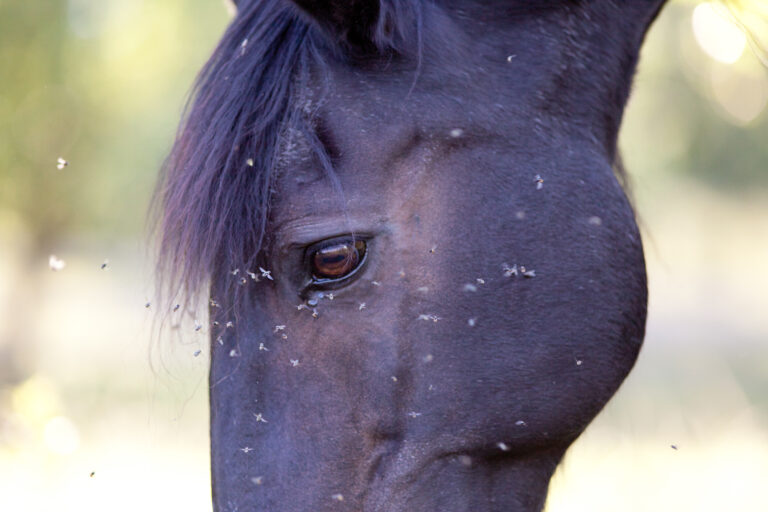
How to Protect Your Horse From Equine Influenza
Equine influenza virus activity has increased in the U.S. and Europe recently. Here’s what you can do to protect your horse.

Equine influenza virus activity has increased in the U.S. and Europe recently. Here’s what you can do to protect your horse.

Horses and ponies that gain weight are more than twice as likely to develop laminitis than if they lose or maintain their weight, a recently published study revealed.

When riding your horse in the woods or the wilderness, things can go wrong–and usually when least expected. Here are some possible predicaments you might face while out on the trail.

Appropriate use of vaccination and implementing biosecurity measures are critical to protecting the horse industry from outbreaks of highly contagious viruses, including equine influenza.

Stay safe when you’re on the road with your horse with these tips for trailering and working around a rig.
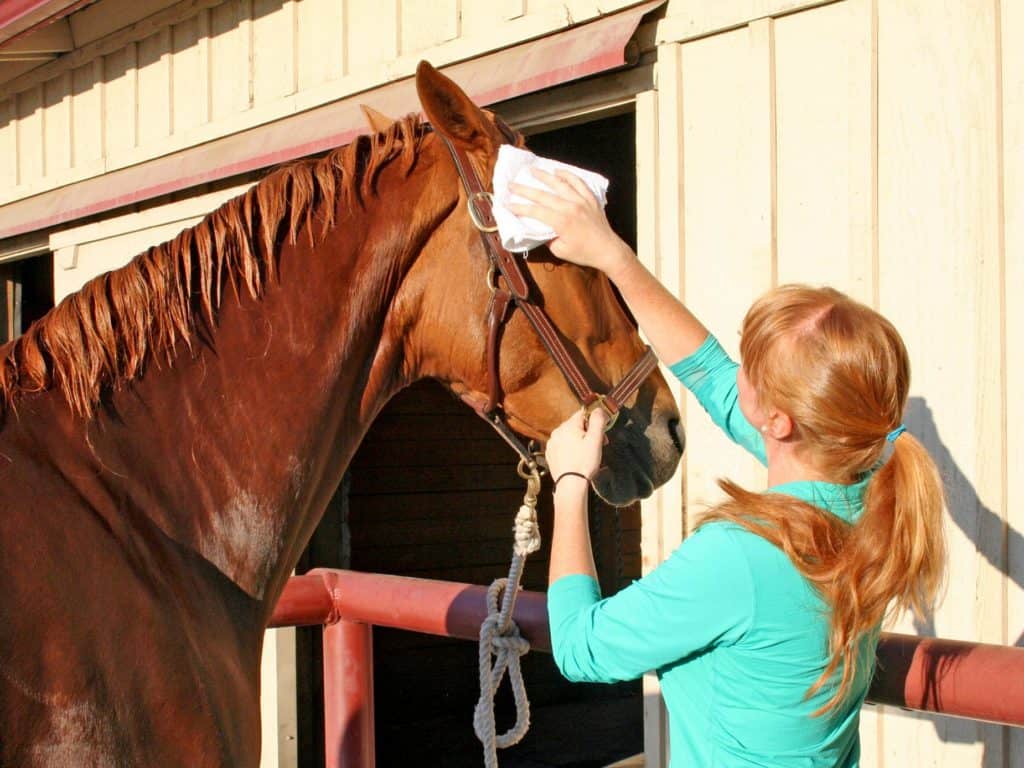
Here are four crucial areas to include in your horse grooming routine.

Dr. Kevin Haussler of Colorado State University describes how a saddle should fit horses and how he investigates saddle-fit issues that might cause back pain.

Jennifer Cain’s current research focuses on characterizing the microbiome of the equine roundworm.

Studies have shown that vaccines can be effective in reducing the risk of horses contracting both EEE and WNV when administered appropriately. Here’s why you should vaccinate your horses.

Recommendations include avoiding using bisphosphonates in manners inconsistent with indications of use on the label and discontinuing bisphosphonates use in any horses in training regardless of age, having every jurisdiction employ a full-time equine medical director, and more.

Officials from the Keeneland Association, Fasig-Tipton Company, and Ocala Breeders’ Sales Company announced they will enable buyers of horses younger than 4 years old to have those horses tested for bisphosphonates.

Dr. Angela Pelzel-McCluskey gives an overview of how horses are tested for equine infectious anemia.

The unvaccinated 3-year-old Miniature Horse from Lowndes County is recovering with supportive care.

Bisphosphonates are FDA-approved for controlling clinical signs associated with navicular syndrome in horses ages 4 and older. Some veterinarians use them off-label to treat other equine bone issues. But could this off-label use be detrimental? One equine veterinarian recently gave a rundown on what research says.

Some products found on farms are flammable, toxic, or hazardous to human and animal health. Learn more about how to use, store, and discard them properly.

Complete veterinary-record transparency, strict limitations on pain-relieving and/or anti-inflammatory medication/treatment, and banning therapeutic medications or treatments without a qualified veterinary diagnosis from a state-licensed veterinarian are among the agreed-upon initiatives.