My Horse has a Cough. Now What?
By paying close attention to when and where it occurs and any additional clinical signs, you can help your veterinarian find the cause of and cure for your horse’s cough.

By paying close attention to when and where it occurs and any additional clinical signs, you can help your veterinarian find the cause of and cure for your horse’s cough.

Learn about the importance of fecal egg counts for horses from parasitologist Dr. Ray Kaplan of the University of Georgia.

Years ago, vets relied on clinical signs to diagnose PPID. Find out how the disease is diagnosed now.

Horse owners might want to have their mares’ ovaries surgically removed for a variety of reasons, including to prevent pregnancy, get rid of tumors, or, most commonly, resolve behavioral issues.
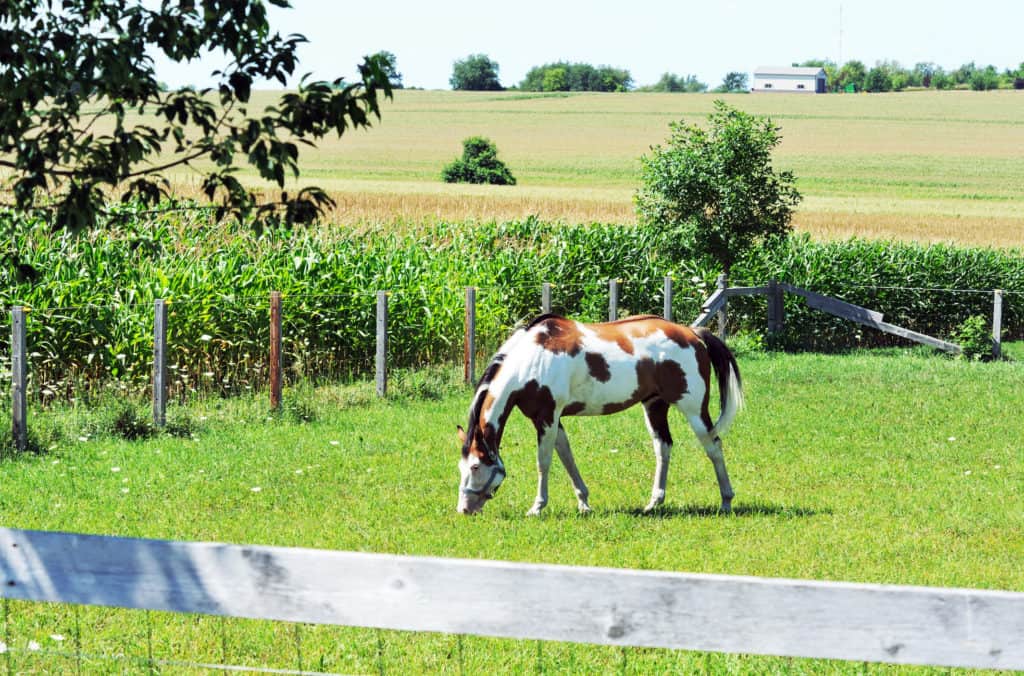
Nearly 65% of operations evaluated had a quarantine area where newly arriving equids or those with a contagious disease could be housed and kept separate from healthy residents.

Horses that don’t receive annual vaccinations against the five core equine diseases could be facing serious illness or even death.

Boots and wraps protect the horse’s limbs. But have you ever asked yourself why or how these dressings protect a horse’s leg–or if they even do?

Drs. Erin Denney-Jones and Ann Rashmir-Raven offer advice for prolonging a Cushing’s horse’s career.

Did you know your horse could be suffering from equine Cushing’s disease long before his coat turns long and curly? Learn how to recognize subtle signs and offer your horse an early intervention for PPID.

Recently Oklahoma has averaged approximately 40 cases of mosquito-borne diseases in horses per year.

An effective isolation area can help contain an infectious disease outbreak. Here’s what you need to know.

Is your parasite control program right for your horses? Find out and get your deworming questions answered!

Beginning June 15, all medroxyprogesterone acetate (MPA, or Depo-Provera) disclosure forms must be submitted electronically.

Because rabies threatens both horses and the humans who handle them, the AAEP recommends rabies as one of five core vaccines every U.S. horse should receive.

Our equine nutritionist offers suggestions for finding a grazing muzzle to fit your horse.

From reducing PPID-associated muscle wasting to managing IR and obesity, here’s what to consider for your old horse.