Equine Rabies Case Reality
A Texas veterinarian recalls a real-life equine rabies fatality and what he learned from the case.

A Texas veterinarian recalls a real-life equine rabies fatality and what he learned from the case.

Colic is the No. 1 killer of horses. Learn how to spot the signs and give your horse the greatest chance at survival.
How will the horses that survived the San Luis Rey Downs Training Center fire respond to moving back to the facility? An equine behavior expert shares her insight.

Vaccinating mares against the polysaccharide poly-N-acetyl glucosamine appears to effectively protect foals against R. equi pneumonia, researchers found.

Special maintenance and nutrition can help your horse get back to (and stay in) good health after a colic episode.

Vaccines against WNV and EEE are highly effective in minimizing disease occurrence if given appropriately, Virginia’s state veterinarian said.
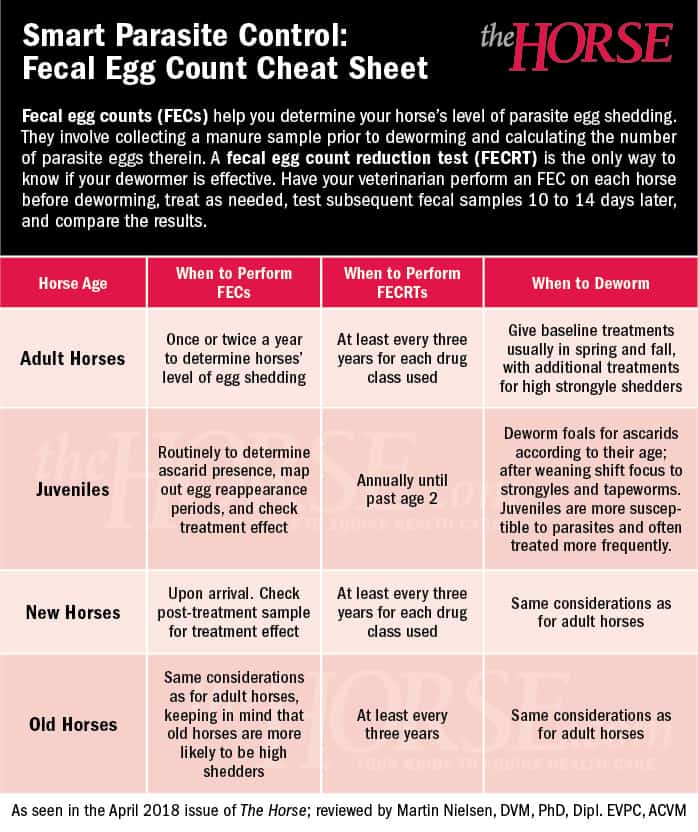
Use this cheat sheet to help determine when to perform fecal egg counts, fecal egg count reduction tests, and when to deworm horses of various age groups.

Thoroughbreds conditioned on water treadmills increased both their VO2max and speed.

If surgery requiring general anesthesia must be performed on pregnant mares, the safest time window is Days 40-220 of gestation, researchers concluded.

Download this free fact sheet to learn how to protect your horse from influenza, a highly contagious respiratory disease.
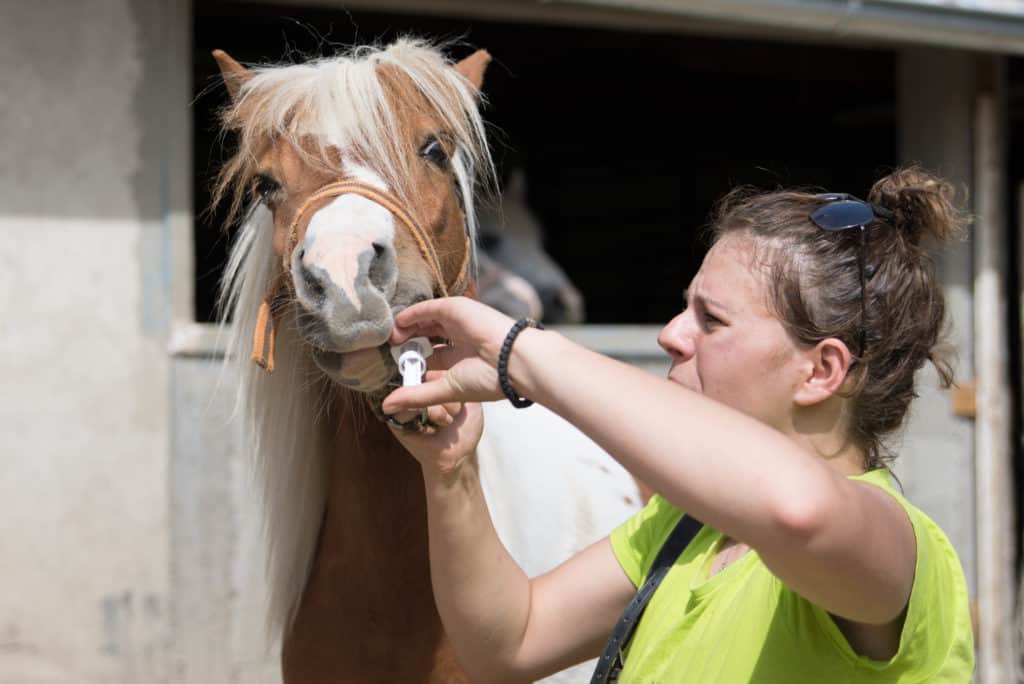
Before horses start grazing on the green grass this spring, check with your veterinarian to ensure your deworming program includes tapeworm control.

Proper spring turnout management and monitoring body condition are important steps to keeping your horse healthy.

A horse’s sinus cavities are complex, which makes diagnosing and managing equine sinus diseases challenging for veterinarians.

Drs. Peter Morresey and James McLeod share regenerative medicine insights from clinical and research perspectives.

Researchers are working to find other potential race-day therapies that can be used to manage EIPH if proposed legislation banning race-day furosemide use in the U.S. is passed.

A reader wants to know about possible reasons behind a 14-year-old stallion’s seemingly unprovoked aggressive behavior.