USDA Releases Second Report From Equine 2015 Study
The report includes figures on equid use, vaccination, equid mortality rates, EIA testing, and more.

The report includes figures on equid use, vaccination, equid mortality rates, EIA testing, and more.
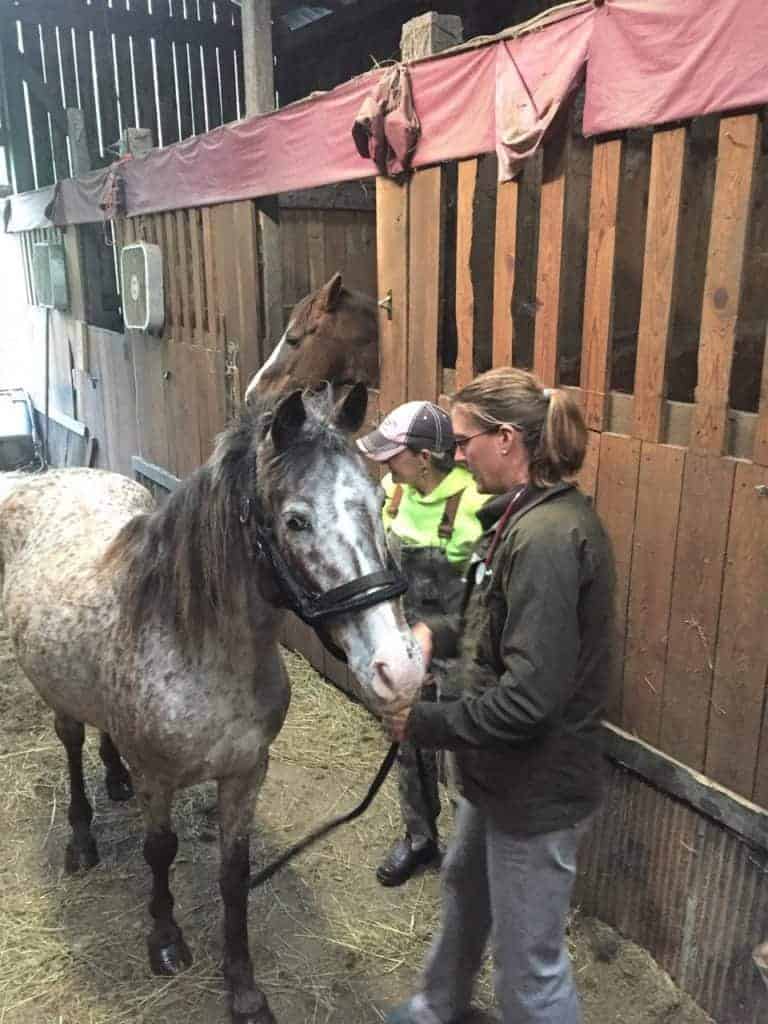
A PhD student describes her recent experience applying her research skills during an equine community outreach event.

Causes of collapse in apparently healthy horses range from sleep deprivation and pain to muscle disorders and pregnancy.

Of the 579 respondents, 443 (77%) said they use drylots to help manage their horses’ weight.

Dr. Dean Richardson will describe Penn Vet’s system for recovering high-risk horses from anesthesia on June 6.

An equine nutritionist offers tips for reducing your horse’s pasture intake with a grazing muzzle.

Researchers determined that veterinarians can manage PPID long-term without a progressive increase in pergolide dose.
The conference concluded with presentations by individuals from inside and outside the Thoroughbred industry.
The guides are designed to help equine veterinarians assess and manage risks with horses.

Study results revealed that three commercially available dewormers showed poor efficacy on the majority of farms tested.

Researchers found that once-daily dosing with 1 mg of pergolide is appropriate for most horses with PPID.

Why can’t we give our horses their vaccines ourselves? My barn friend said my shots won’t count if I give them myself.
Veterinarians and farriers recently collaborated on a case of bilateral keratomas in a 6-year-old Holsteiner mare.
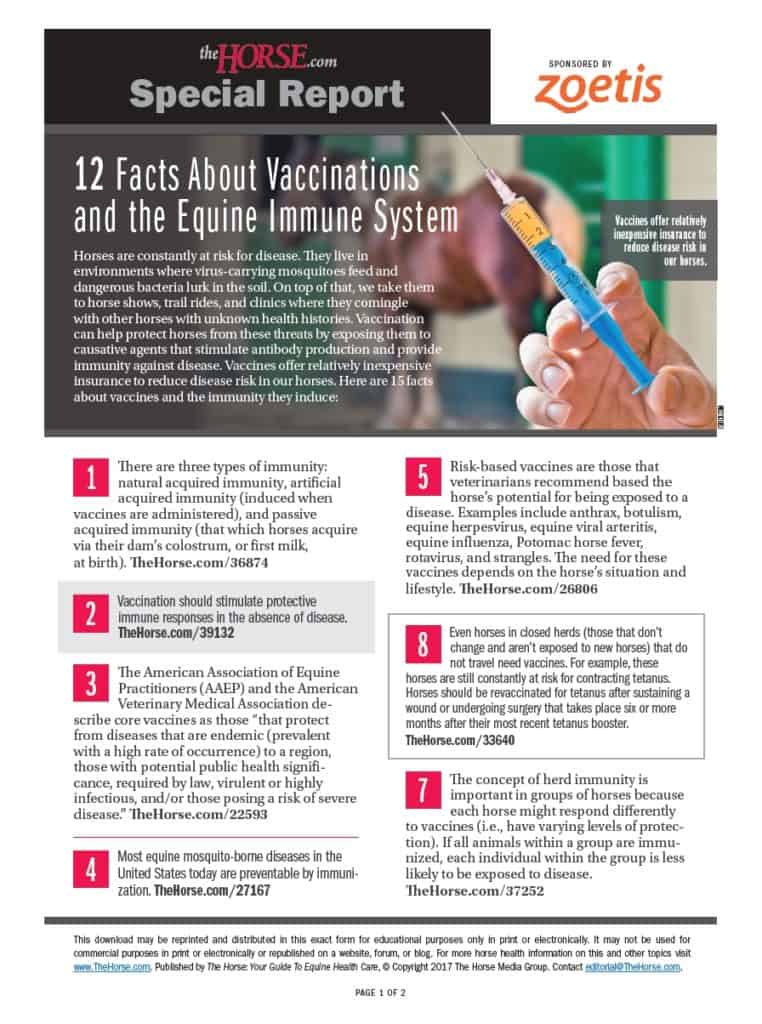
Vaccines offer relatively inexpensive insurance to reduce disease risk in our horses. Learn more about vaccines and the immunity they induce in this special report!

In 2016 Wisconsin confirmed 19 EEE cases and seven WNV cases in horses.
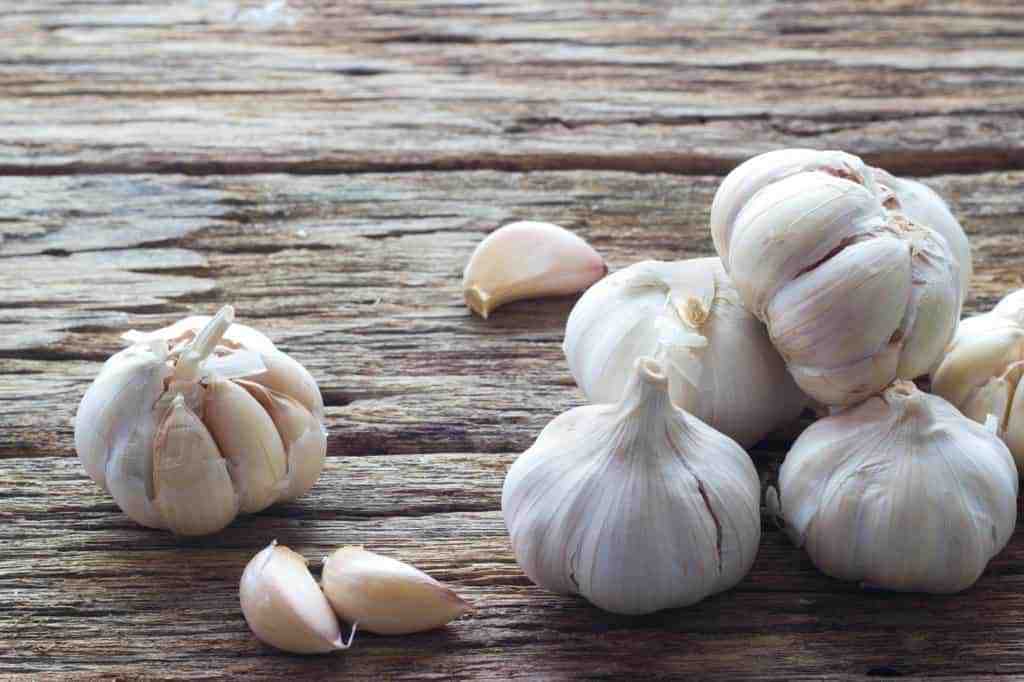
Our equine nutritionist takes a closer look at garlic’s potential to fight off flies and biting insects.