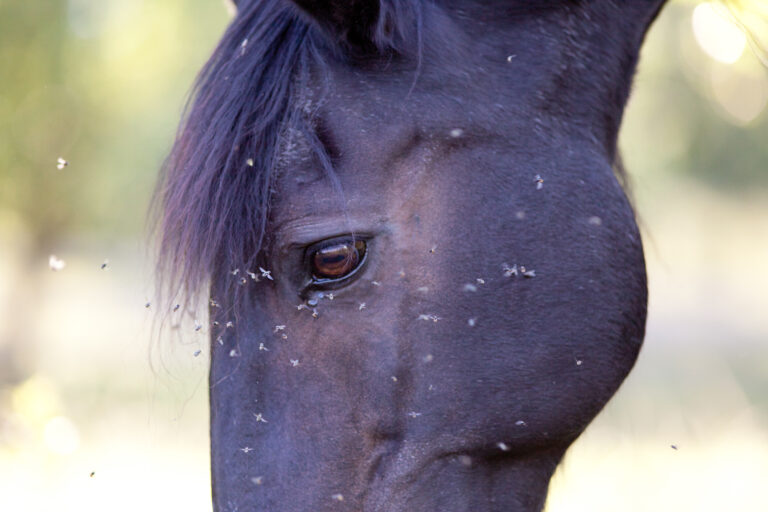
Tick-Borne Disease: Tremendously Tricky in Horses
Learn the latest on diseases horses can get from ticks and why they continue to frustrate veterinarians and researchers.

Learn the latest on diseases horses can get from ticks and why they continue to frustrate veterinarians and researchers.

A behaviorist offers feedback about a Facebook fan’s video of a rearing horse. Her take? Aggressive rearing is unsafe.

Your veterinarian is the best resource when it comes to choosing the right vaccine for your horse.
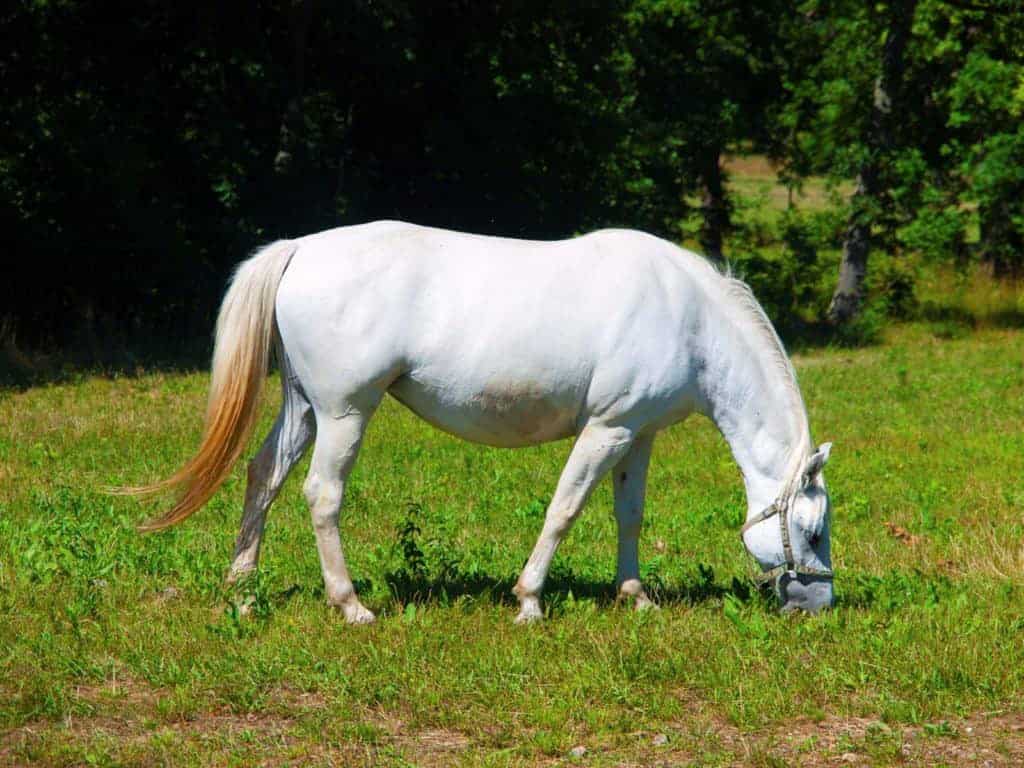
Researchers found that obesity appears to negatively impact mares’ follicles and oocytes and, thus, their fertility.
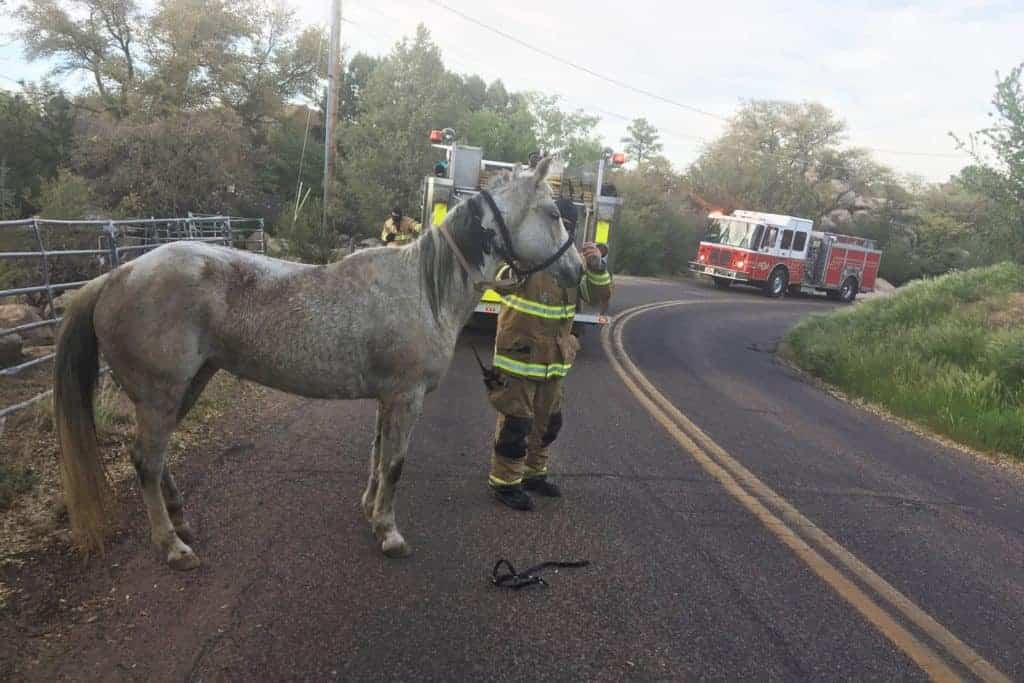

Of the 475 respondents, 76 (16%) said they’re concerned about the air quality in their horses’ barns.

The OIE has described management “pillars” to keep most diseases at bay for high-health, high-performance horses.

Xylazine, detomidine, and romifidine appear to have few effects on lameness exam results when used without butorphanol.

The study evaluated the effectiveness of ivermectin and fenbendazole, as well as owners’ deworming practices.

Rutgers researchers have gained a better understanding of how horses’ bodies change as they age. Here’s what we know.

Dr. David Horohov, UK Gluck Equine Research Center director, gives a overview of vaccines and explains their importance.

Weight gain is a common sign of EMS. But what other indicators should horse owners watch for?

The mainstays of biosecurity still center around good hygiene, diagnostics, quarantine, isolation, and traffic control.

This could encourage the use of targeted deworming programs to help reduce parasite resistance, scientists said.

Sarah Elzinga, MS, is studying inflammation and insulin dysregulation in the horse.

Veterinary officials encouraged owners to vaccinate against rabies, Eastern equine encephalitis, and West Nile virus.