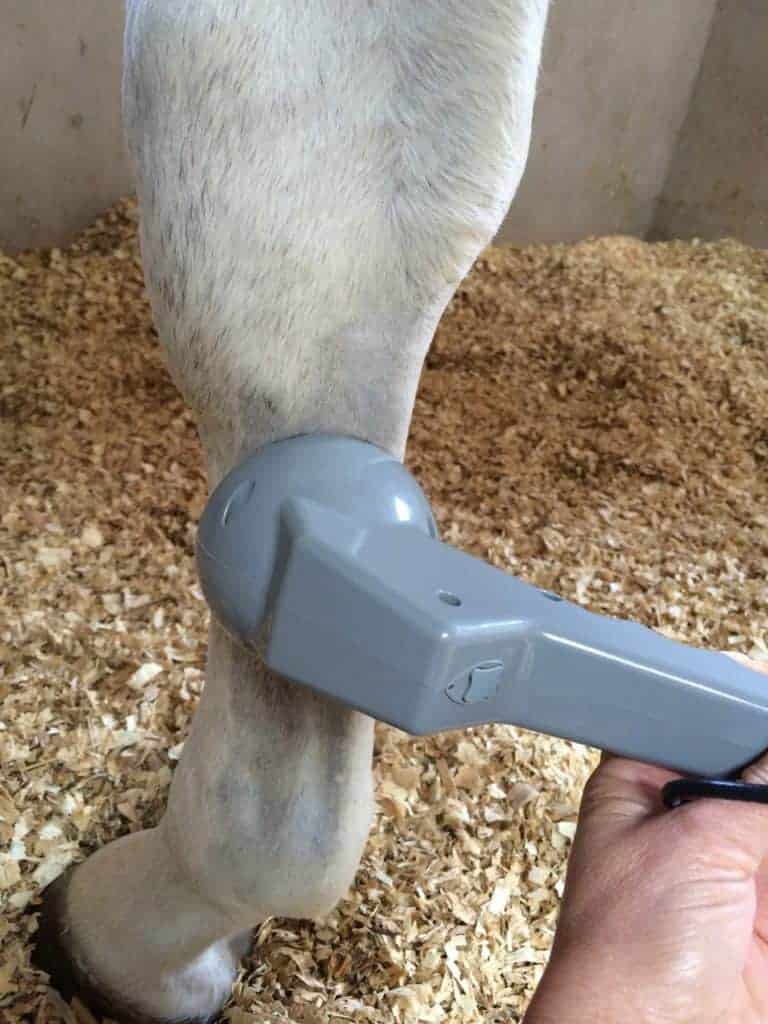
Laser Therapy: No One-Size-Fits-All for Horses
The amount of laser light reaching internal structures depends on the horse’s hair and skin thickness and color.

The amount of laser light reaching internal structures depends on the horse’s hair and skin thickness and color.

The rule changes are expected to go into effect at all California tracks by Dec. 26.

Learn how to right a recumbent horse and what factors influence his survival.

The organization opposes the current legislation because it would eliminate the use of race-day furosemide.

Policies include publishing daily vet records of all medications and treatments given to horses leading up to the race.
The non-steroidal anti-inflammatory cream is FDA-approved for use in horses with osteoarthritis.

By taking a research-based parasite control approach owners and vets effectively protect horses from internal parasites.

Vaccination and biosecurity can help keep your horse healthy when you take him off the farm.

Find equine colic content on TheHorse.com throughout June.

Mitragynine, known as Kratom, has performance-enhancing and analgesic effects similar to cocaine and morphine.

The $65 million facility will be named for renowned equine surgeon and researcher Dr. Wayne McIlwraith.
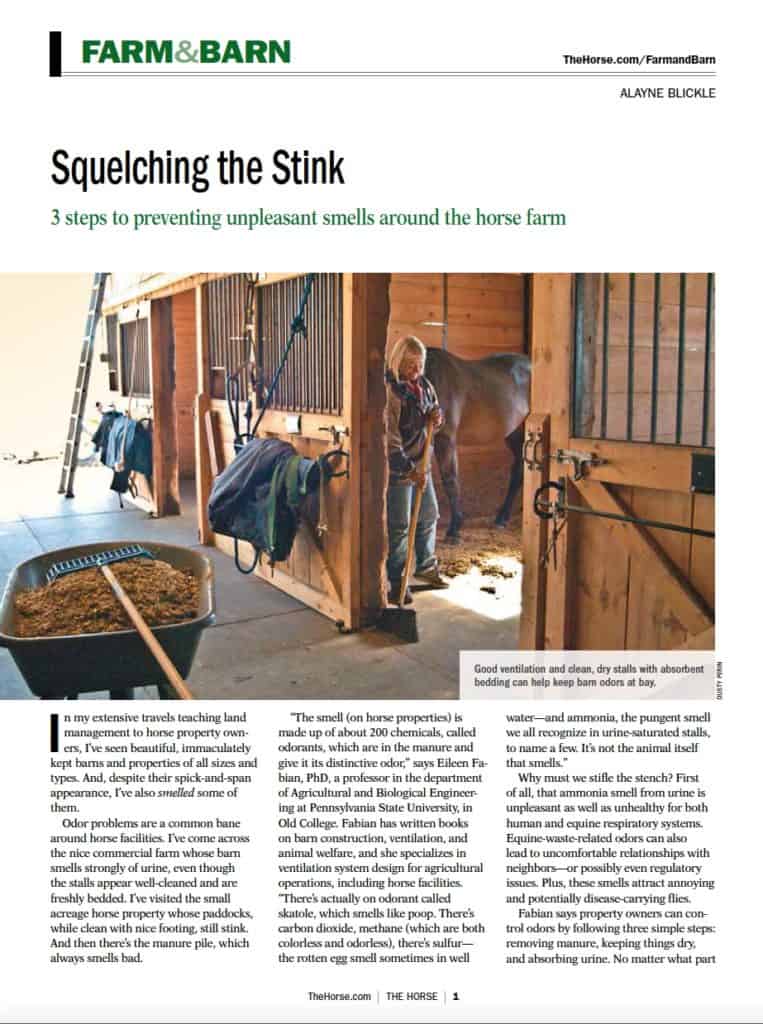
Use these simple, yet important, tips for preventing unpleasant smells on your horse farm.

The system measures fat deposits near the stomach and small intestine, around the heart, neck crest, and rump.

With heavy rain and snowfall earlier in the year, mosquito habitats and breeding sites with standing water are abundant.

Laminitis risk is the No. 1 reason we worry about equine metabolic conditions such as EMS and PPID when feeding horses.

Among other points, the new bill would prohibit the use of any substance within 24 hours of a race.