Understanding Healthy Foals’ Caloric Requirements
Foal nutrition can be complicated, making it important for owners to understand newborns’ nutritional needs.

Foal nutrition can be complicated, making it important for owners to understand newborns’ nutritional needs.

Researchers are investigating how horse owners view forage and their current forage-feeding routines.

Work with your vet to find the best options for your horse that are within your breed or show association’s drug rules.

Owners can take several steps to ensure a successful transition from athletic to breeding performance.
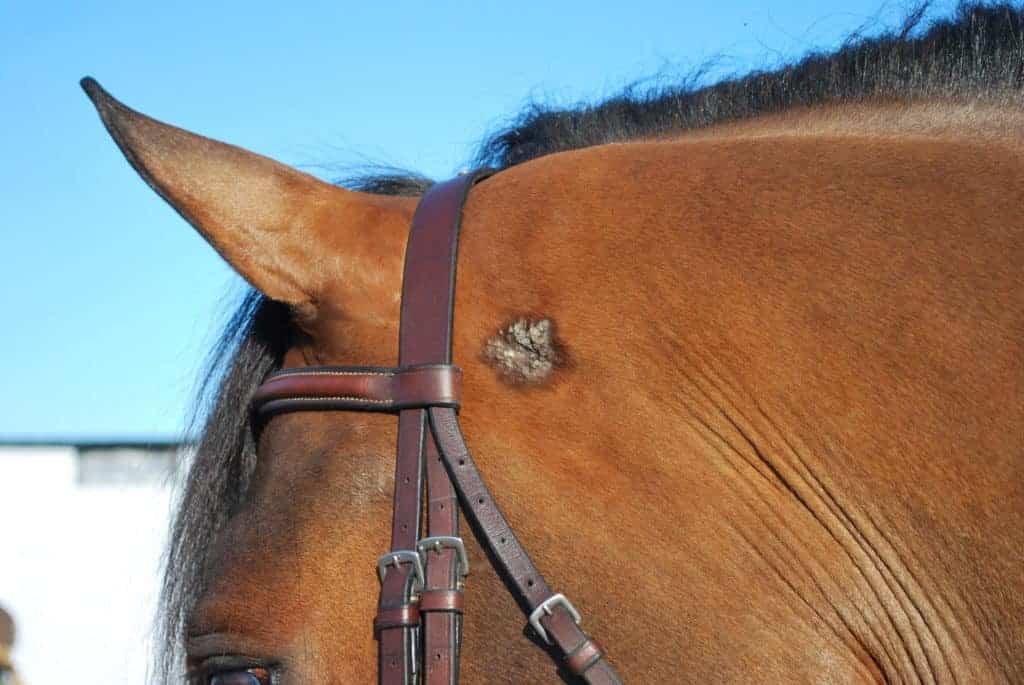
Does your horse have stubborn or unsightly tumors or skin growths, and you’re not sure what to do next?

Three equine professionals offer tips for preparing your animals, facilities, and yourself for the deep freeze ahead.
Take steps to prevent your horse from contracting potentially deadly diseases such as EHV or rabies during competitions.

Is the leptospirosis vaccine for swine and cattle safe for equine use?
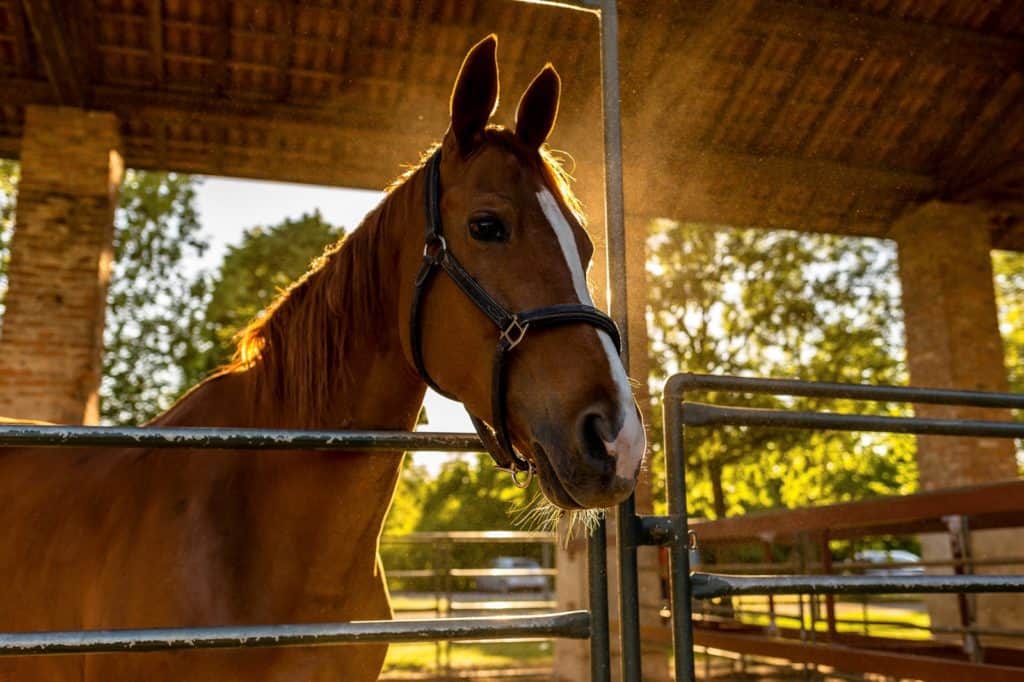
While we can’t cure heaves, or equine asthma, we can help manage their signs of disease. Here’s how.
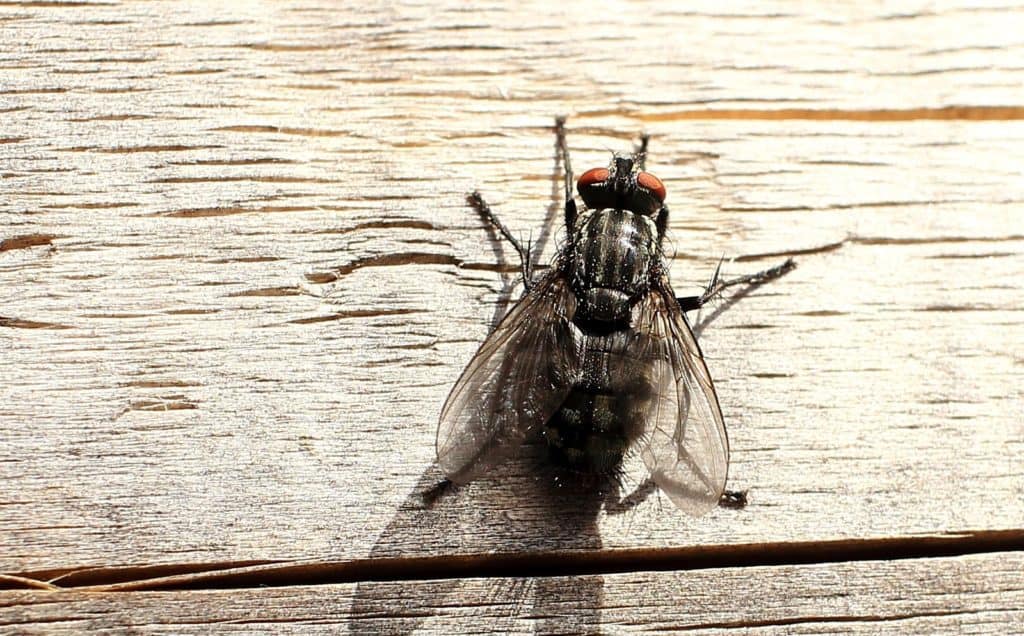
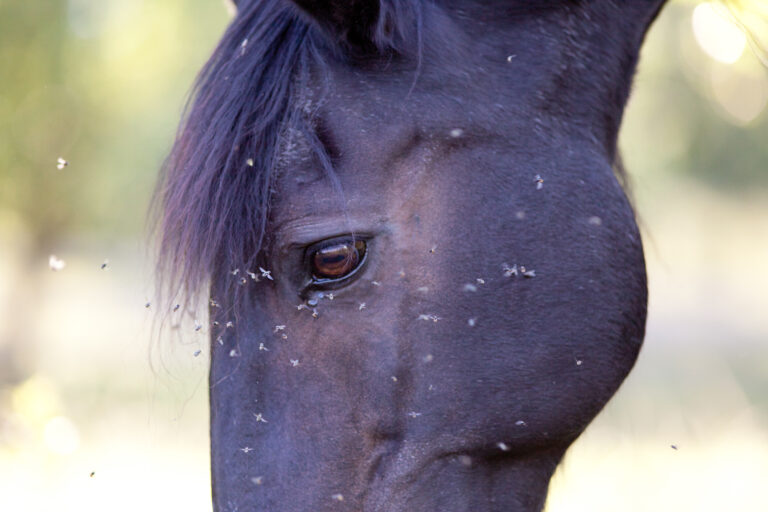
Understanding how house flies reproduce in manure can result in fewer house flies in your barn and its surroundings.
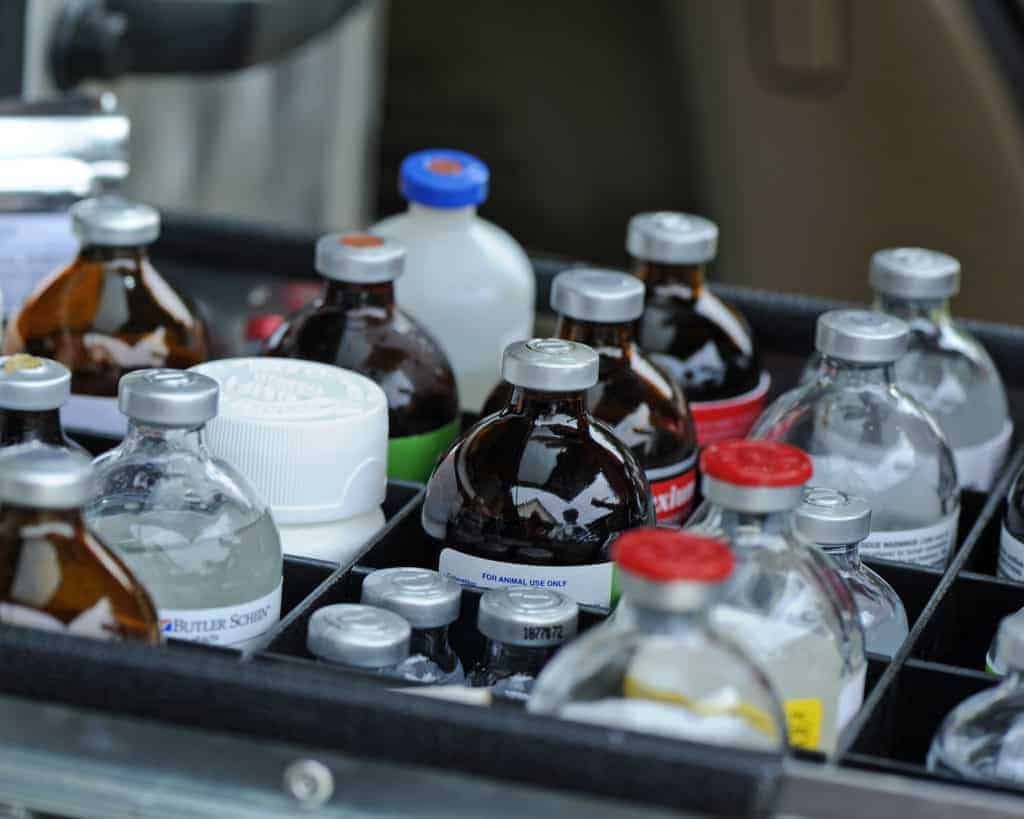
Learn about applications of therapeutic and regulatory medicine in performance horses. Presented by Jennifer Davis, DVM, PhD, Dipl. ACVIM, ACVP, associate professor of equine internal medicine/clinical pharmacology at North Carolina State University.
The Queensland, Australia, parliament has determined that the Hendra vaccine is safe and effective.

Do you have a mature or senior horse? Find out how to keep him comfortable and competitive as he ages!

Use these 10 veterinarian-approved tips for keeping your horse healthy and comfortable as winter approaches.
Updates include a January 2019 deadline for total compliance with the National Uniform Medication Program.

Take steps to reduce the risk of laminitis development, such as combating obesity and reducing pasture and NSC intake.