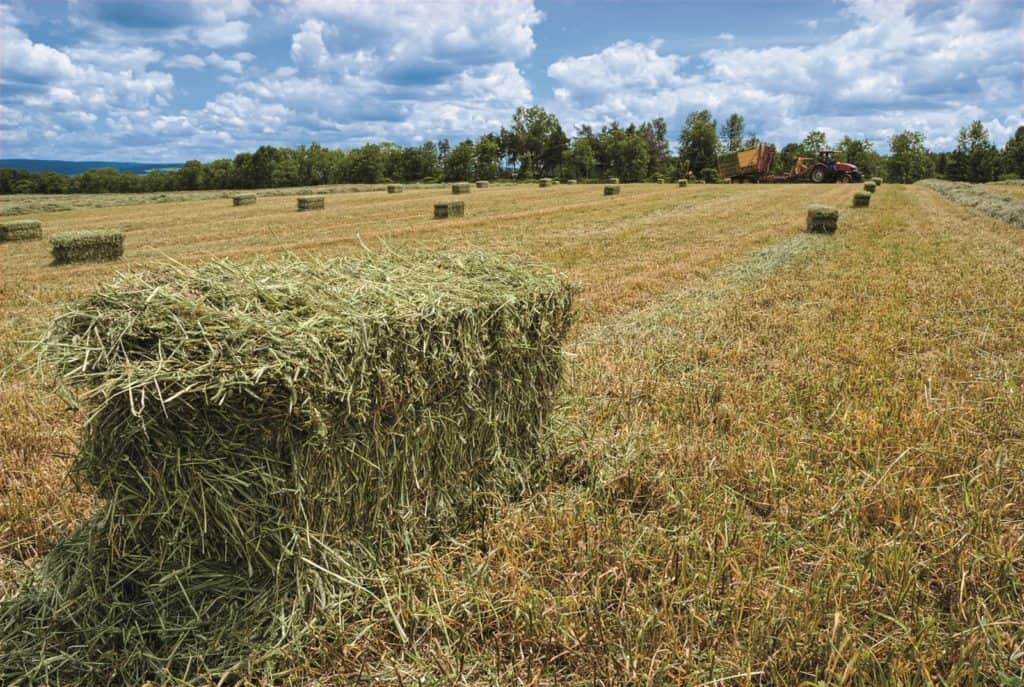
Readers Expect Feed, Hay to be Biggest Expense This Year
Of the 832 poll respondents, 285 (34%) say feed and hay will be their most expensive equine-related purchase this year.

Of the 832 poll respondents, 285 (34%) say feed and hay will be their most expensive equine-related purchase this year.

Have a vet ensure your foal is developing well and your mare is ready for her next mating at her foal heat.

I am looking for general information regarding my vet and horse care. What should I expect from my vet?

Many respondents said they’d have to consider the possible outcomes before sending a horse to colic surgery.

A veterinarian explains the benefits of insurance and what to expect from your policy.

Of the 1,008 respondents, 318 (32%) said their horses are located 10 miles or less away from their equine vet clinic.

Thermography is a noninvasive, safe, and cost-effective diagnostic imaging tool used in equine health care.

Of the 516 respondents, 302 (59%) said they have taken their horse to a university veterinary teaching hospital.
The study was designed to give industry members and animal health officials insights on the U.S. equine population.

Veterinarians use imaging technologies to evaluate, diagnose, and ultimately treat lameness in the lower leg and foot.
Of the 682 respondents, 221 (32%) said their veterinarians see their horses twice a year.


Top tweets and take-homes from sessions on PSSM, laminitis studies, equine tongue tumors, and more!
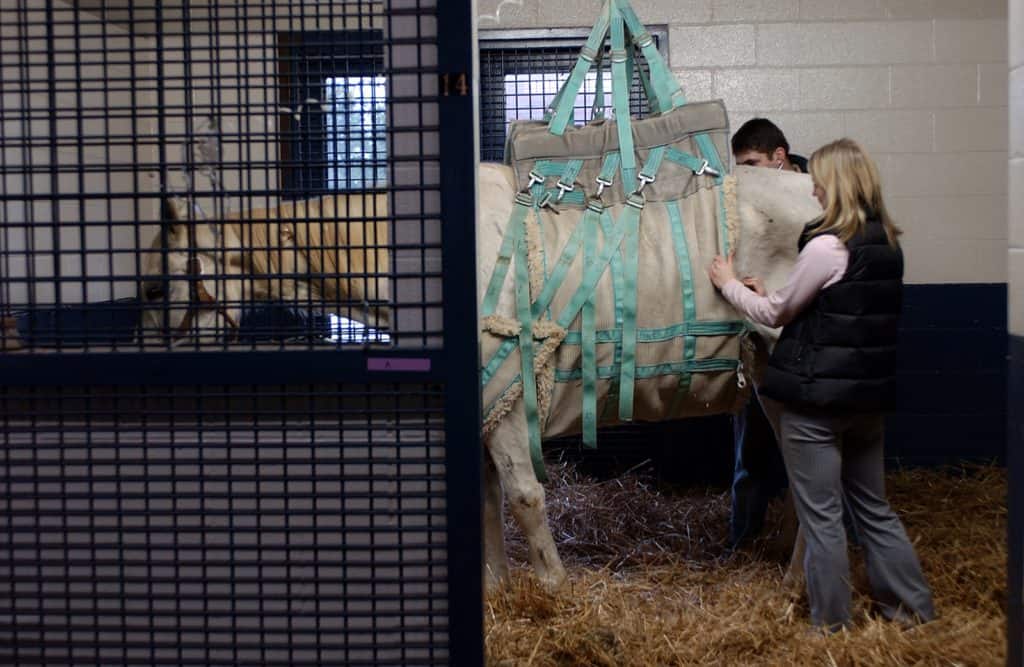
They might be less common than limb fractures, but skull, rib, pelvis, and withers fractures are no less important.

Of the 743 respondents, 324 (44%) use cash from their savings or emergency funds to pay for their horses’ health care.

Veterinarians can keep diagnostic costs lower by using as much information from routine tests as possible.