Yucatán Researcher: ‘Our Carriage Horses Have Acceptable Workloads’
Researchers found horses pulling tourism carts didn’t have excessive demands placed on them but did make recommendations for improved welfare.

Researchers found horses pulling tourism carts didn’t have excessive demands placed on them but did make recommendations for improved welfare.
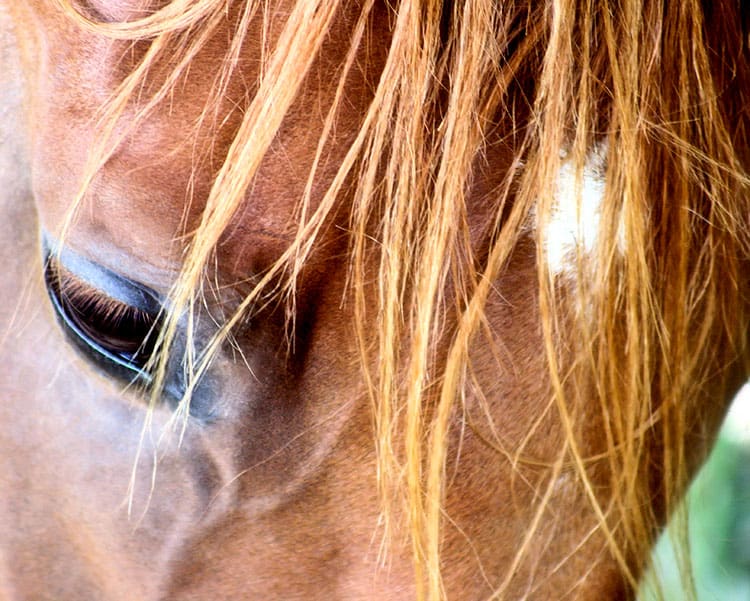
Many training styles and riding mistakes can make a horse less responsive to cues, pressure, and even pain—and that’s often the early stages of learned helplessness. Learn how to identify and prevent this negative mental state.

Learn about your horse’s health, behavior, and personality as you acclimate him to a new home, diet, and herd.

A study led by Dr. Sue Dyson found signs of lameness in 73% of horses riders identified as sound. Also, nearly 50% of the horses’ saddles showed signs of poor fit.
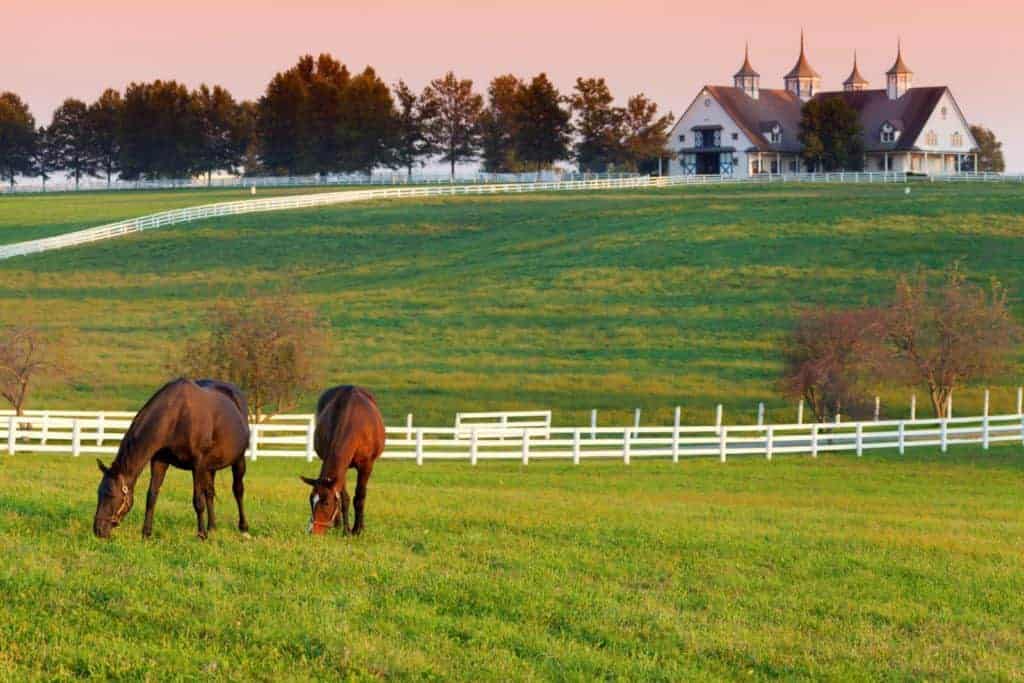
Equine welfare researcher Dr. Natalie Waran addresses the importance of studying, measuring, and caring about our horses’ quality of life.
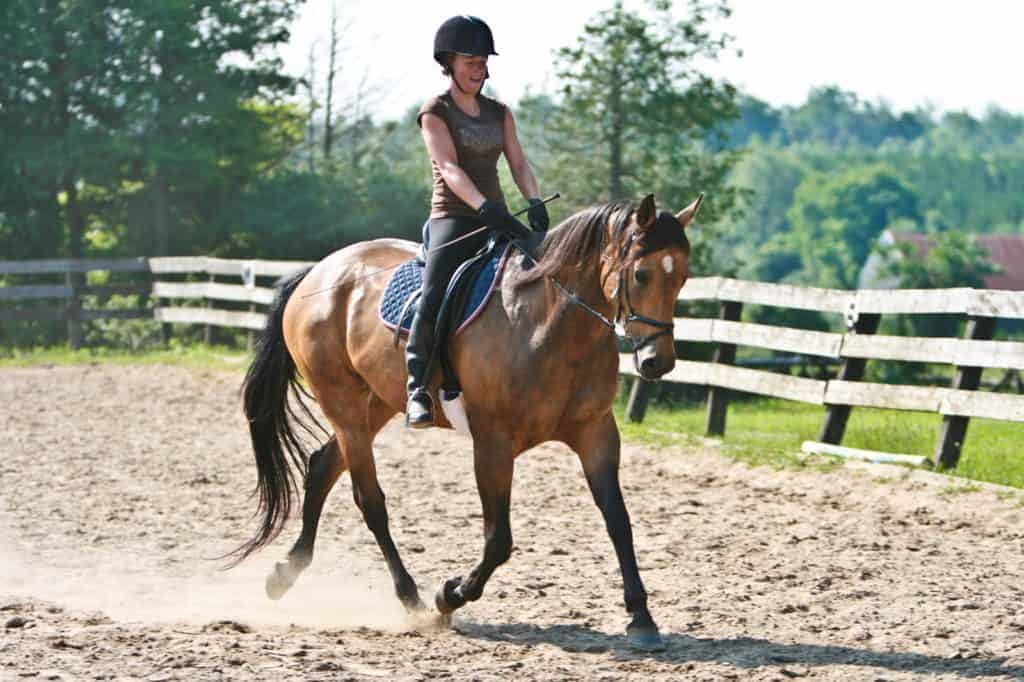
In fact, geldings exhibited more unwanted behaviors than mares during tacking and riding.

The online questionnaire allows owners, trainers, and industry professionals to evaluate and monitor horse behavior, training, and management over time.

Do you have a cinchy horse? Follow this step-by-step advice to modify his behavior.
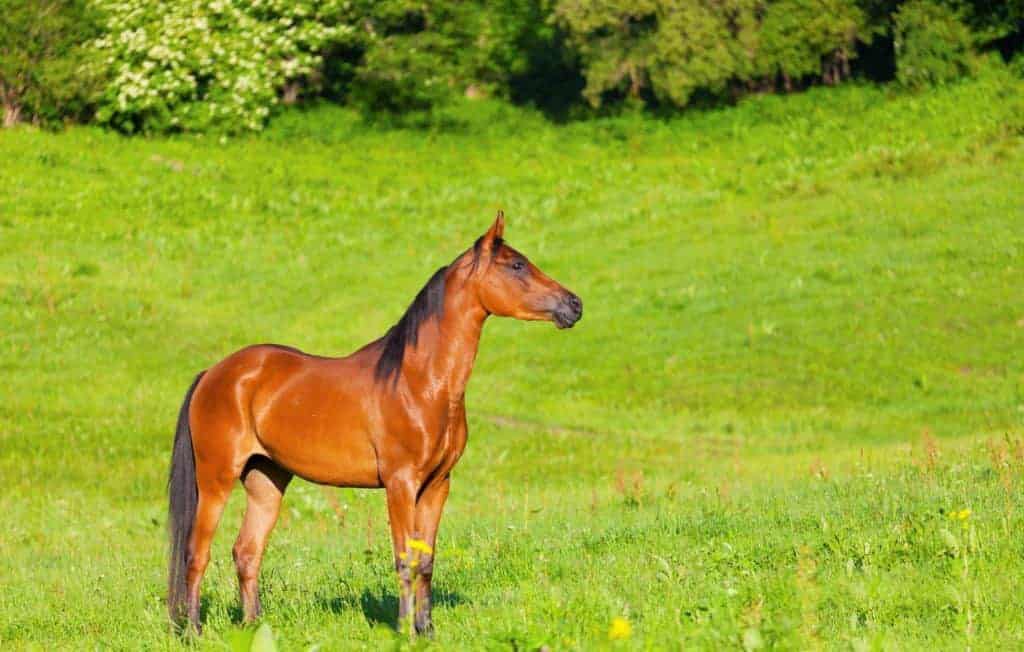
Time off in turnout seems like a good idea for working horses. But, researchers found, transitioning to downtime created its own kind of stress for the horses.

Horse owners can use a science-based app to document body language and facial expressions and determine whether equids are in acute pain.

The AHC showcased the importance of connecting horses to the public during a webinar featuring experts, including a Cavalia stunt rider and the writer/director of an upcoming adaptation of the equine classic, available soon on Disney+.

Watching for signs such as weight-shifting might allow handlers to intervene before horses become exhausted.

Study: Most horse people miss the signs of negative emotional states in horses, even in those trained with “natural horsemanship” techniques.

The Morris Animal Foundation is now accepting proposals for pilot studies focused on equine behavior and relating to health and welfare. Grant applications are due by Wednesday, Sept. 30, 2020, 4:59 p.m. EST.

In mares, unwanted and nervous behaviors often get blamed on estrus. However, that’s often not really the cause. Dr. Jenny Biehunko explains.

Drs. Jenny Biehunko and Camie Heleski touch on how nutrition might or might not affect horse behavior.