Do Horses Like To Work?
Equine behavior experts say the answer depends on the work … and the horse.

Equine behavior experts say the answer depends on the work … and the horse.

Dr. Bill Vandergrift talks about leaky gut syndrome in horses during the 2021 EquiSummit, presented by Kemin Equine.
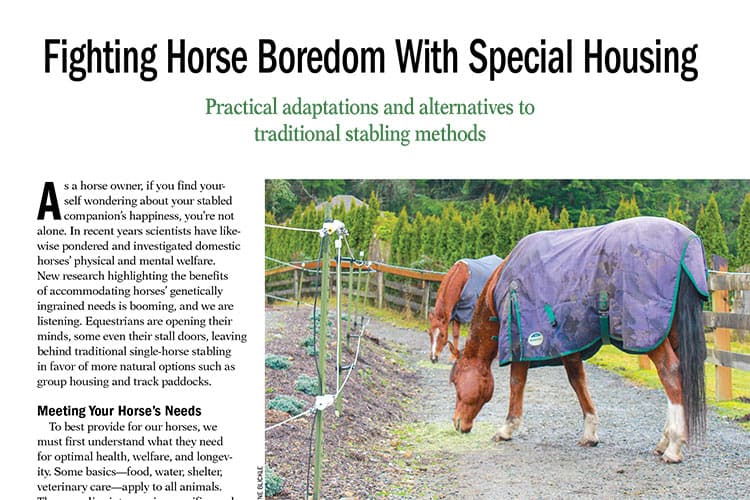
Horse owners are opening their minds, some even their stall doors, leaving behind traditional single-horse stabling in favor of more natural options such as group housing and track paddocks.

Investigators used an ethogram and cortisol testing to record stress levels in equine-assisted activity and beginner riding lesson horses.
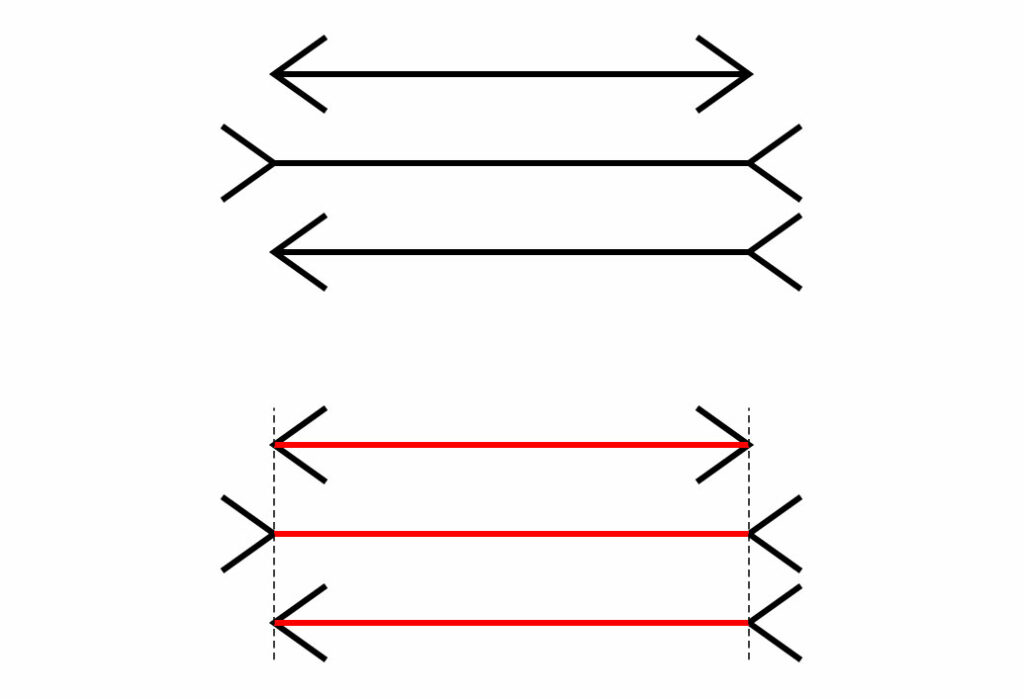
Researchers found horses, unlike dogs, might perceive certain optical illusions similar to the way humans see them.

Horses with a history of anxiety during fireworks displays showed marked improvement with treatment, their owners reported.

Swedish researchers observed 22 geldings as they learned to navigate automatic feeding stations equipped with automatic doors, food dispensers, and microchip readers.

The key lies in offering the horse other behaviors—backing, for instance—to perform besides head-butting.

As social animals, horses have a basic need to connect with others, and it is essential to their well-being and survival.

Do you think your horse is worth protecting? Enter The Horse’s photo contest for a chance to win a prize pack from Manna Pro.

Italian researchers found that horses enter a positive emotional state when they see and interact with a familiar human who’s developed a good relationship with them.

Horses might chew trees for a variety of reasons, such as boredom or nutritional deficiency. Learn about the benefits and risks, and how to protect your horses and your trees.

Survey results showed horses ridden and handled by males behaved differently than those ridden and handled by females.

Falls can cause physical and mental trauma for riders. While broken bones heal, emotional injuries might linger. Here’s help.

A new study provides evidence that human speech style can affect equine behavior and that pet-directed speech (aka “baby talk”) improves human-horse communication.

Researchers: A newly published “catalog” of equine discomfort behaviors could help veterinarians, scientists, stable managers, and owners “speak the same language” when it comes to recognizing possible signs of discomfort in horses.