Dysmature Foals Might Cope With Stress Differently as Adults
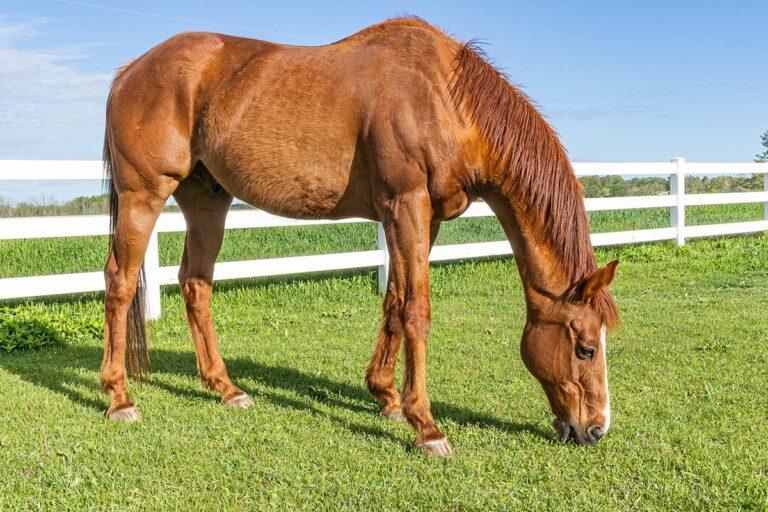
Poor hypothalamic-pituitary-adrenal axis development in premature and immature newborn foals might affect their stress responses.

Poor hypothalamic-pituitary-adrenal axis development in premature and immature newborn foals might affect their stress responses.

Dr. Amanda Adams and Erica Jacquay of the University of Kentucky describe new research on how horses of all ages respond to transport—even just trips of 1.5 hours.

If you suspect your horse’s hair whorls have something to do with his personality, you might be right.

Dr. Alicia Long describes behavioral signs a horse with gastric ulcers might exhibit.

Learn what makes managing ponies special—from their critical need for nutritional supervision to their often feisty personalities.

Would your horse believe you if you told him where to find a hidden carrot? He might—if he thought you knew where that carrot was.

If a horse responds when a handler says, “Ginger, come here,” is it because Ginger has associated the word with a treat, or is it because she thinks, “I am Ginger”?

Researchers studied which eye horses used to look at new objects. Their findings were unexpected.
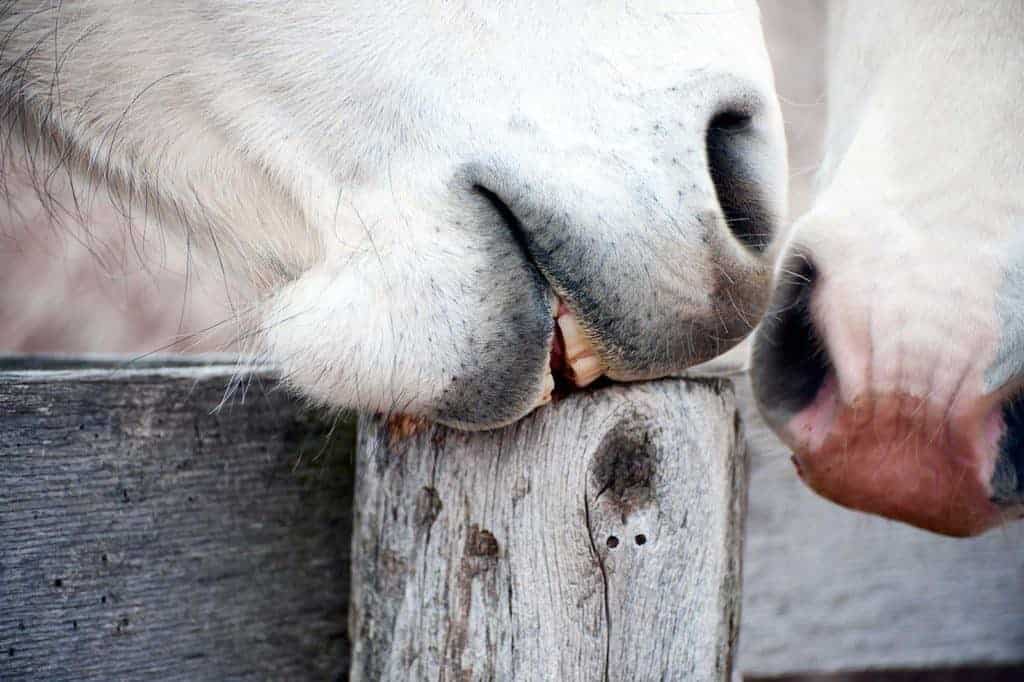
Our equine nutrition expert offers advice to keep horses from chewing on barn wood and fence posts.

Researcher: Don’t ignore subtle signs of equine discomfort before riding. Often the cause is a veterinary issue.

Study: Worry wrinkles, known to show pain in horses, are also present during stressful events.

Domestication is relatively new to horses, which is why two Italian researchers are urging competitive riders to allow their horses to engage in natural behaviors.
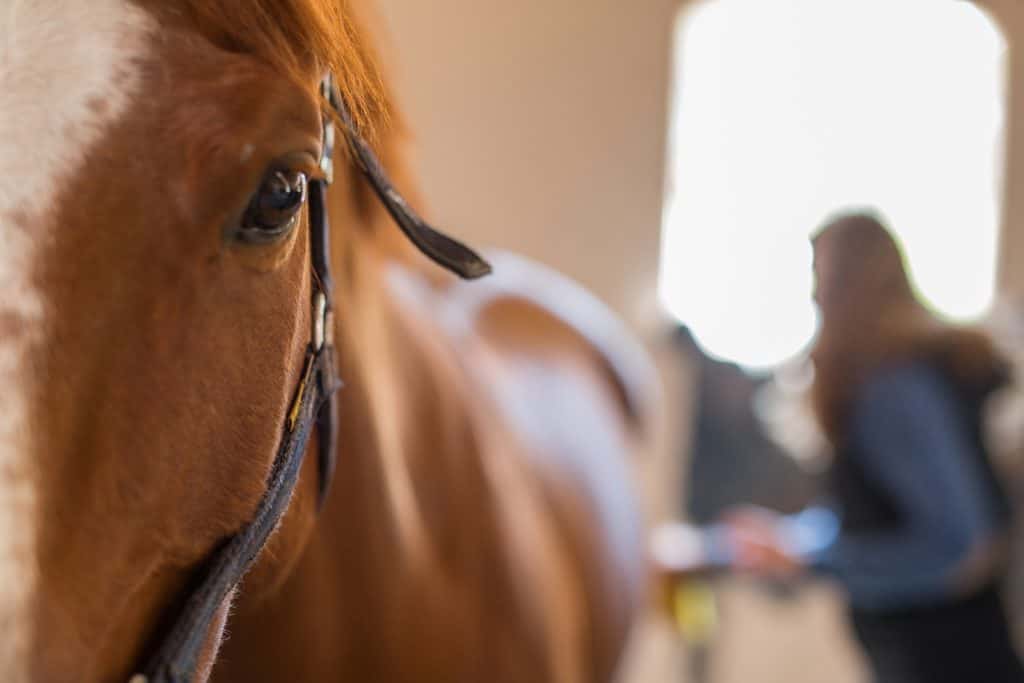
While each horse is different, here are some common behavioral signs that can help you tell if your horse is happy, sick, or painful, as well as keep you safe.

Find out what you should tell buyers about the horse’s challenges and how to ensure he gets an appropriate home.
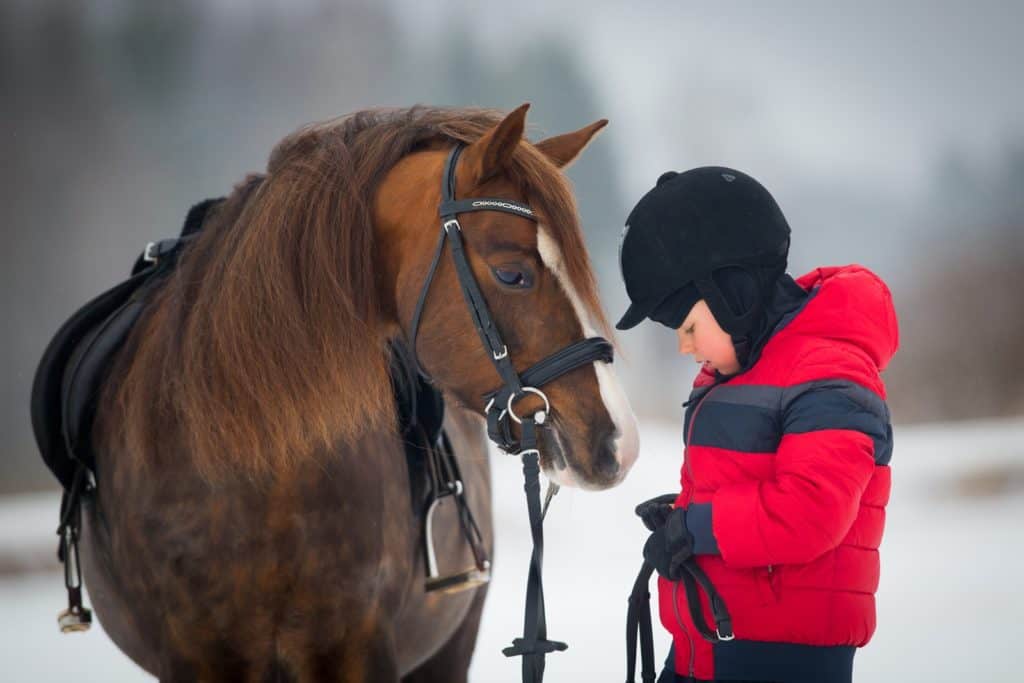
Tractors, breeches, and horse-themed jewelry might make up your wish list. But what would your horse ask Santa for?
We’ve compiled a science-based list of nonriding activities to help keep you and your horse busy during these cold winter months.