Group, Pasture Living Might Improve Horses’ Learning Ability
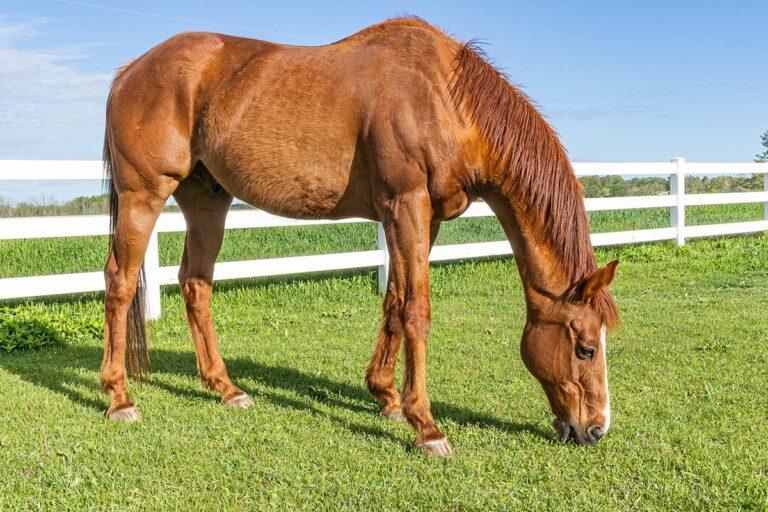
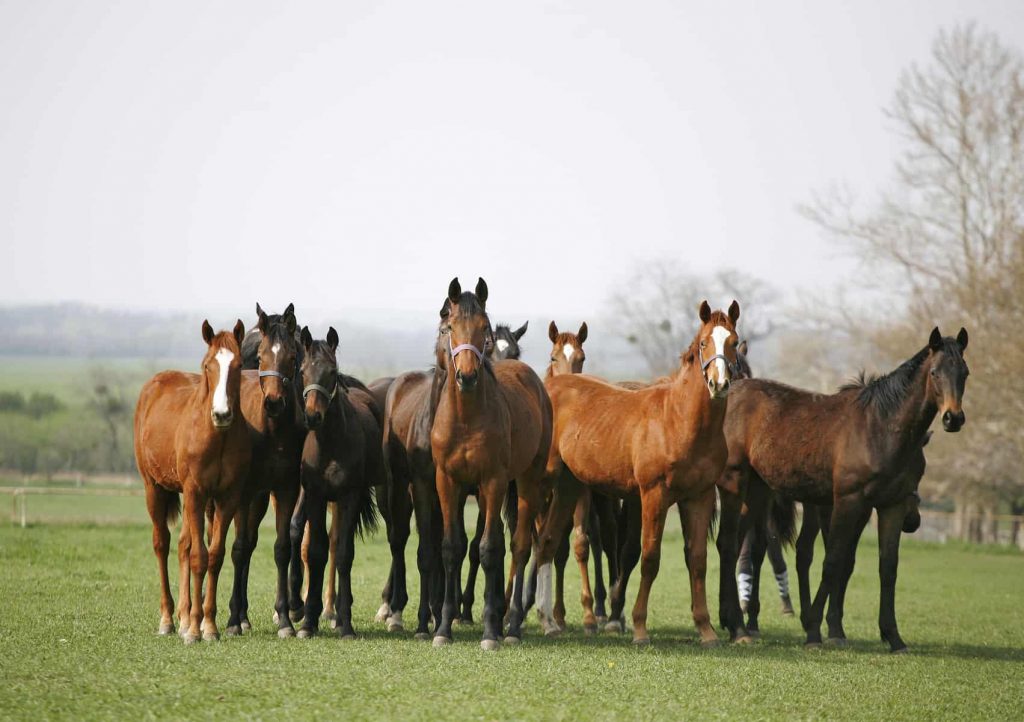
Horses that live in group pasture settings showed an increased ability to learn human cues, regardless of their relationship to the person.

Horses that live in group pasture settings showed an increased ability to learn human cues, regardless of their relationship to the person.

The RHpE can be used to help detect musculoskeletal pain in horses caused by limb lameness and poor saddle fit.

The ponies in this research group learned to distinguish between 5 letters and select them on a touch screen.

Researchers have determined that limiting horses’ access to hay might make them more likely to engage in abnormal and aggressive behaviors.

These study results could help breeders and trainers determine which horses have the best DNA for coping with a racing environment.
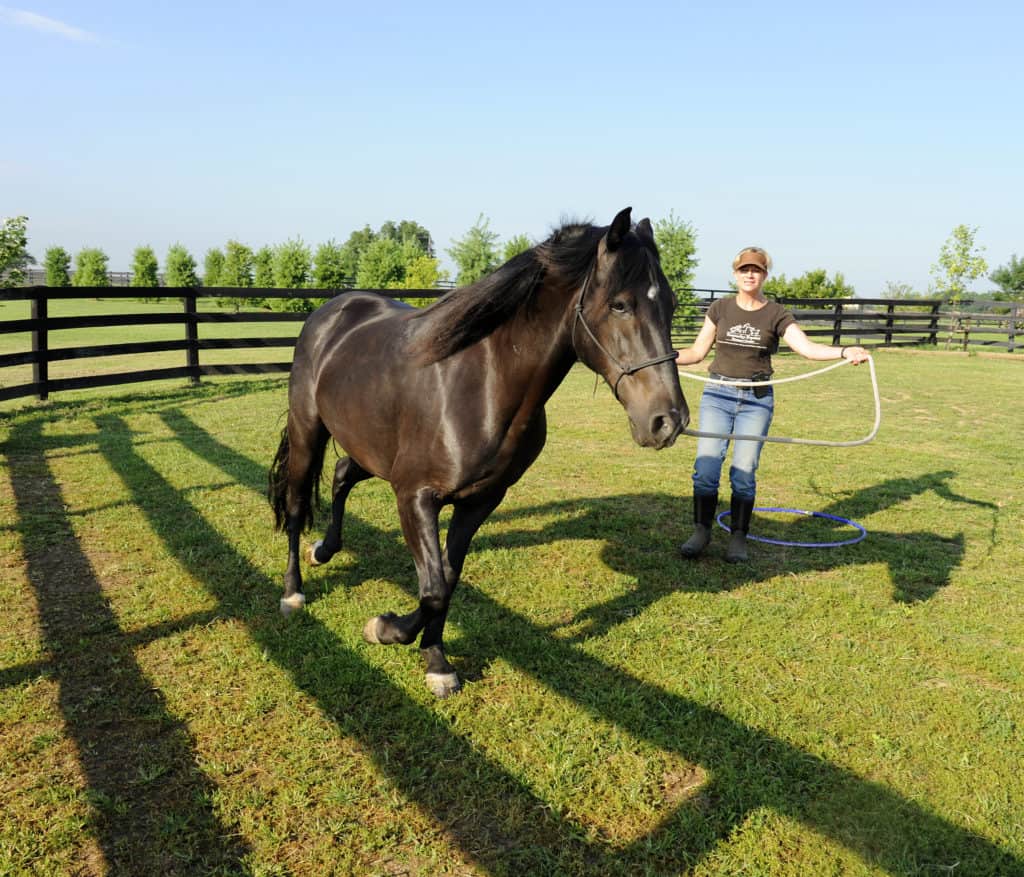
Drs. Camie Heleski and Jenny Biehunko explain the differences between a horse trainer, an animal behaviorist, and a veterinary behaviorist.

Horses might eat dirt due to nutrient deficiencies, among other causes.

A research team found that abnormal behavior doesn’t always correlate with elevated ovarian hormones.
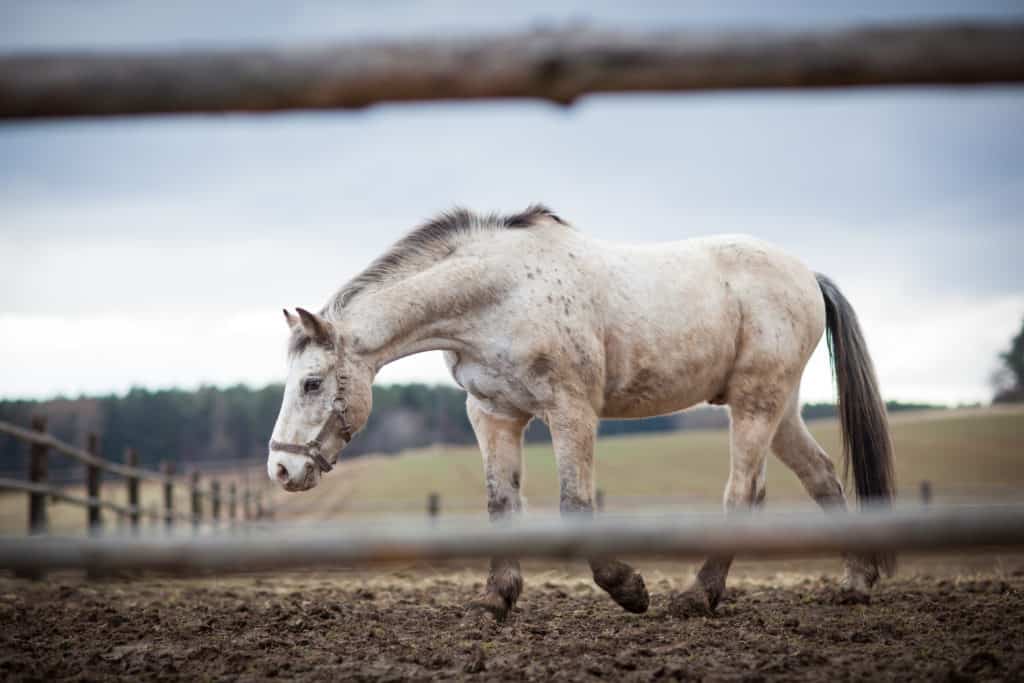
What is the most common behavior problem in aging horses? Dr. Sue McDonnell weighs in.

Researchers say that even three weeks after weaning foals still experience increased stress levels.

If your horse is acting naughty when handled or ridden, he might be trying to avoid pain somewhere in his body.

If your horse is exhibiting regular behavior problems, cheek tooth pain could be the cause.

Equine idiopathic headshaking is a painful condition, but with correct diagnosis and treatment many headshakers can live pain-free.
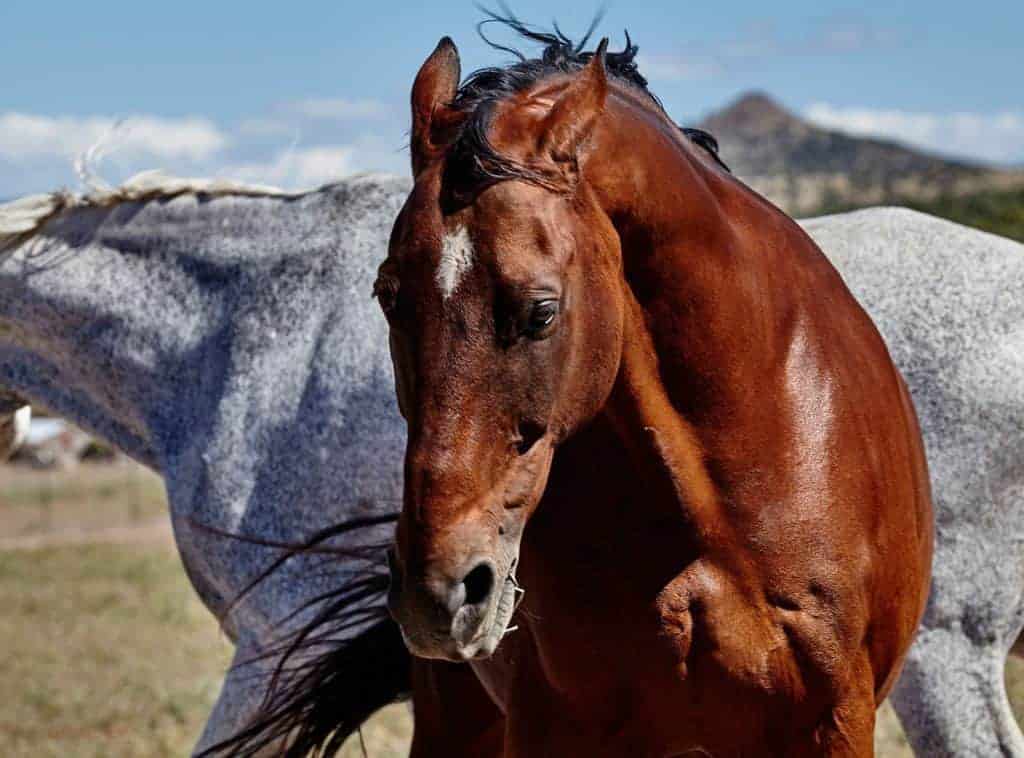
Find out if your mare’s frustrating antics are due to estrus, and learn about ways to keep them in check.

Often, a horse’s behavior problems are rooted in either pain or incomplete training. Here’s what to consider.

A veterinarian explains how to recognize when your horse is in pain.