Inside Information: 10 Signs of Internal Illness in Horses
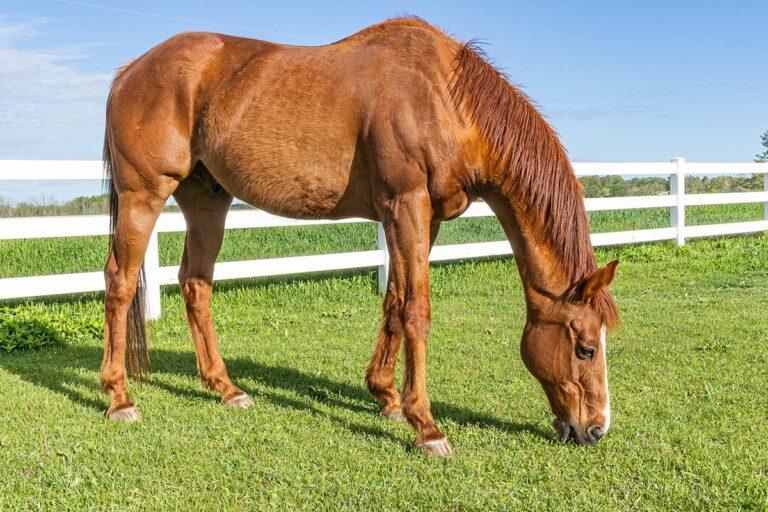
Horses give us plenty of cues when they’re dealing with early illness. To help you recognize them and intervene accordingly, here is a 10-point list of warning signs.

Horses give us plenty of cues when they’re dealing with early illness. To help you recognize them and intervene accordingly, here is a 10-point list of warning signs.

Equine neuroaxonal dystrophy (eNAD) and equine degenerative myeloencephalopathy (EDM) both plague the horse’s central nervous system.

Dental pain can often be mistaken for behavior problems, so it is important for owners to understand the signs of dental pain and disease.

Brush up on your equine oral health knowledge with these facts about dental anatomy, issues, and exams.

Is your horse accident-prone? Our sources share how to manage these Bubble-Wrap-worthy equids and the best ways to avoid problems in the first place.

If a mare’s behavior issues are related to her reproductive cycles, suppressing estrus might help.

Find out how veterinarians connect abnormal behaviors with pain in horses during lameness evaluations.

Find out how you can influence your horse’s behavior through feed management.

As you consider ways you can help your foal—and his dam—through the weaning process, examine methods based on research.

Horses’ body language and habits can tell you a lot about their pain levels, moods, and motivations.
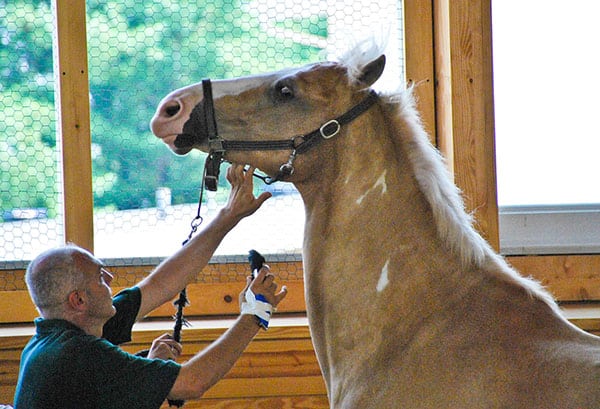
Determine why a horse is head shy, and then use learning theory principles to reverse the behavior.

From reinforcing behaviors to reading facial expressions, adopting welfare-friendly handling practices can improve equine well-being and human safety.
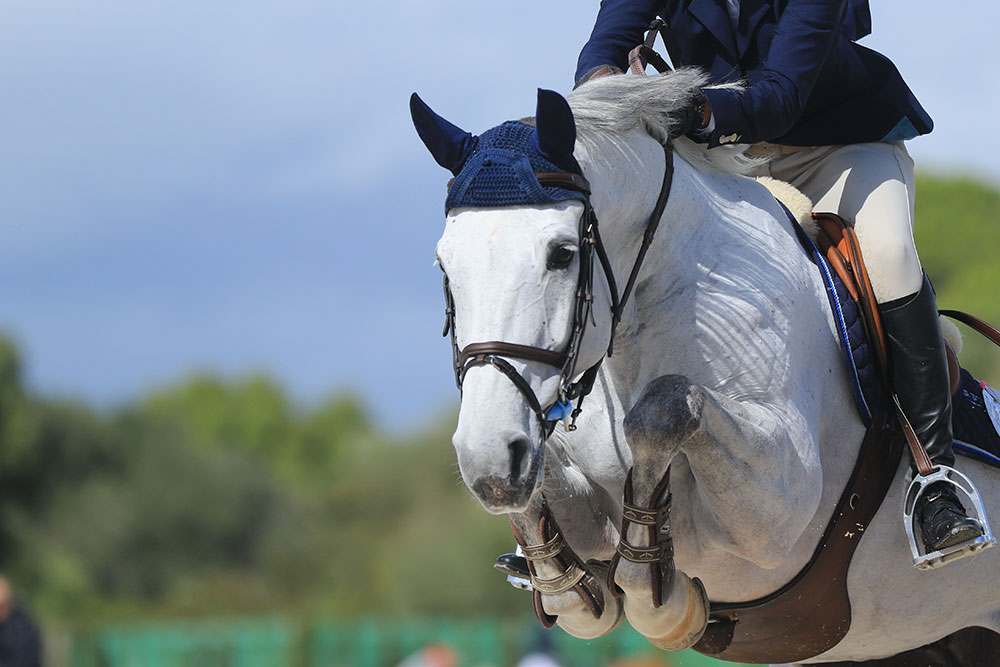
Addressing your high-energy horse’s behavior using diet might involve some trial and error. Learn what you should consider before adjusting his feeding program.

Learning to read a horse’s facial expressions and postures at rest and under saddle can help you become more sensitive to detecting pain in horses.

When do horse training methods cross the line from accepted to abusive? Despite advances in horse welfare and behavior research, abusive training still occurs.

Find out why your horse might benefit from a “dunk bucket.”