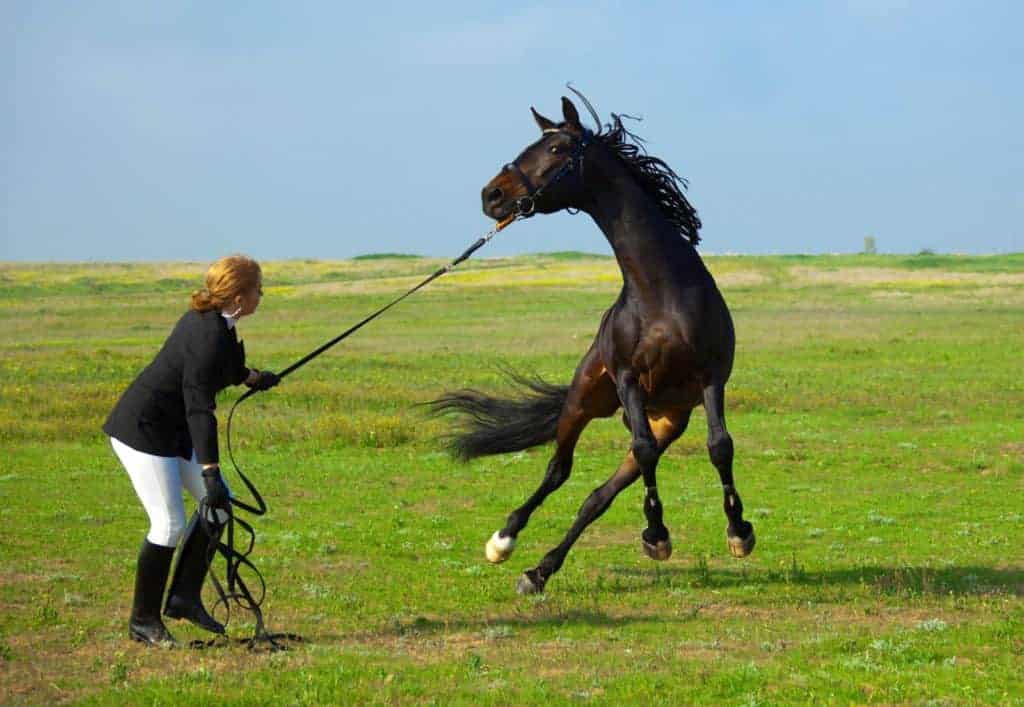
13 Tips to Help Horses Handle Show Stress
Traveling to horse shows (and clinics) can cause your horse stress and put him at risk for behavioral issues, gastric upset, and infectious disease.

Traveling to horse shows (and clinics) can cause your horse stress and put him at risk for behavioral issues, gastric upset, and infectious disease.

Mares get a bad rap for recalcitrant estrous behavior, but hormones and tumors could also be at play.

Dr. Nancy Diehl addresses a question about why a mare might respond differently to training after having her first foal.

Consider these 8 behaviors that could suggest your horse struggles to see.

Is your horse’s diet and microbiome to blame for bad behavior? In this article we’ll break down the research.
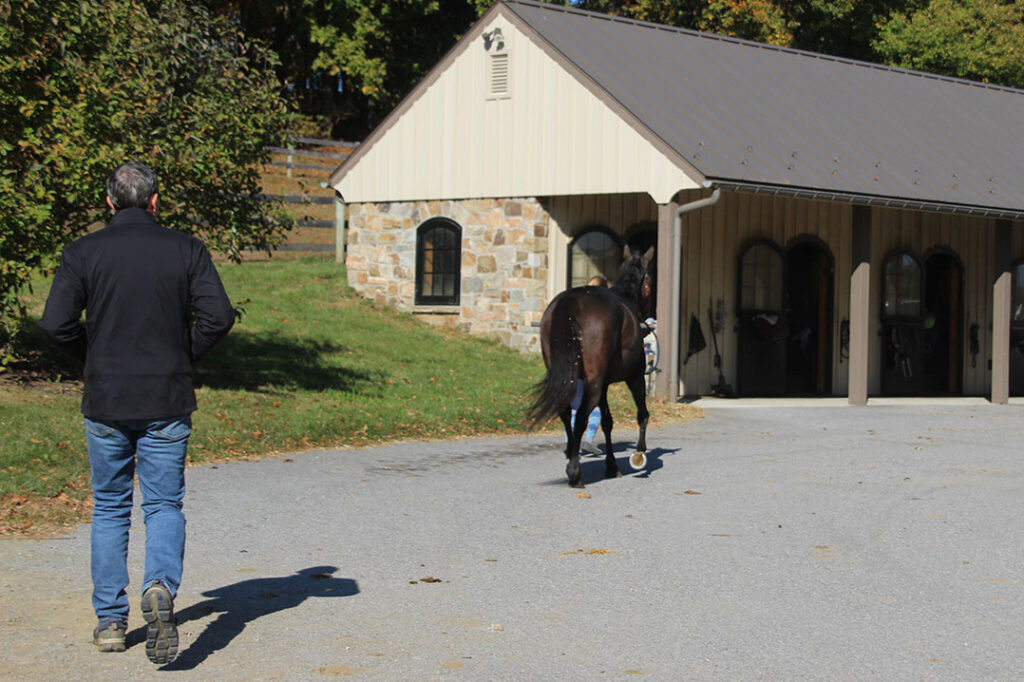
Here’s how veterinarians track osteoarthritis progression in horses as they age and how often your horse should be reevaluated.

Dr. Howland Mansfield describes the physical and behavioral changes owners might see in their horses as osteoarthritis progresses.
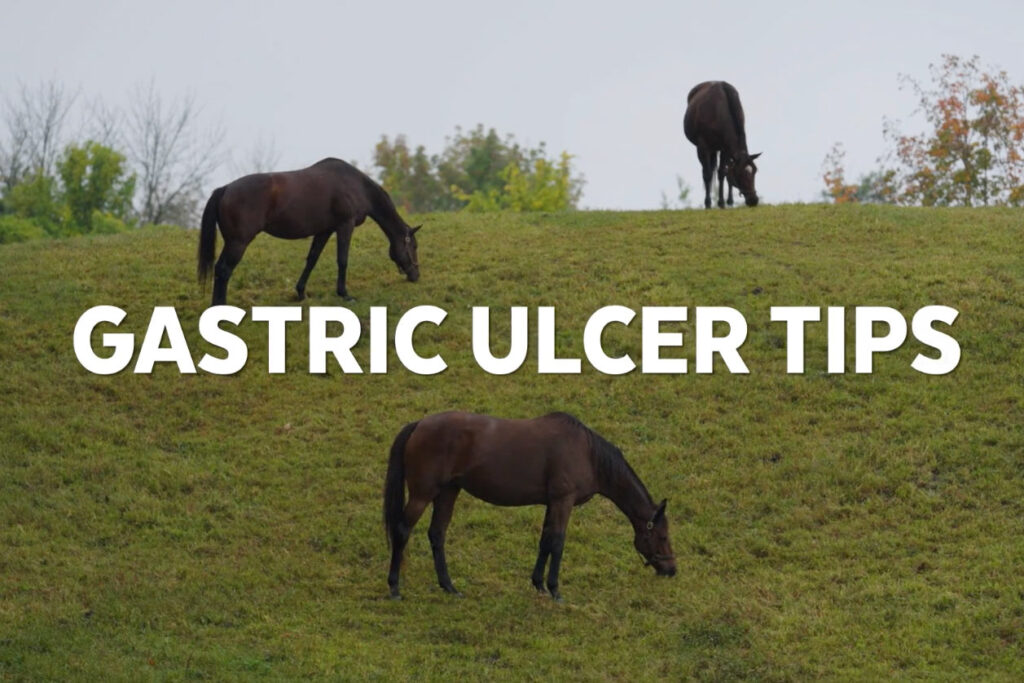
Find out why some horses might not fully recover from gastric ulcers and how veterinarians manage these cases. Sponsored by Kelato.


Read about 9 physical and behavioral reasons your horse might be kicking up his heels.

Get answers to common questions about this equine-welfare-friendly training method.

Do you struggle to get pills into your horse? A nutritionist offers advice and some precautions.
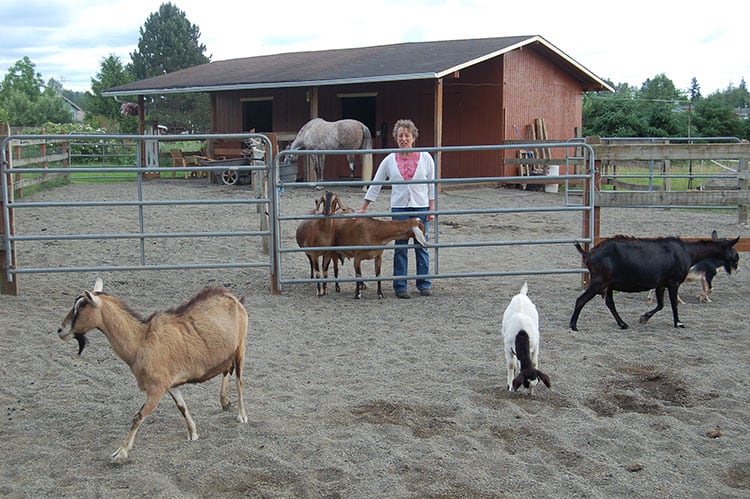
Are your horses bored during the winter and early spring months? One farm owner offers ideas to keep them entertained.

When will your mare foal? Learn the signs of impending foaling and what prognostic tools can help.

Read the pros, cons, and surprising facts about slow feeders, including haynets, haybags, and hayboxes.

The debate over training methods and their impact on horses remains heated. Our sources clarify 4 training misconceptions.