TheHorse.com Announces Don’t Spook! Contest Winner
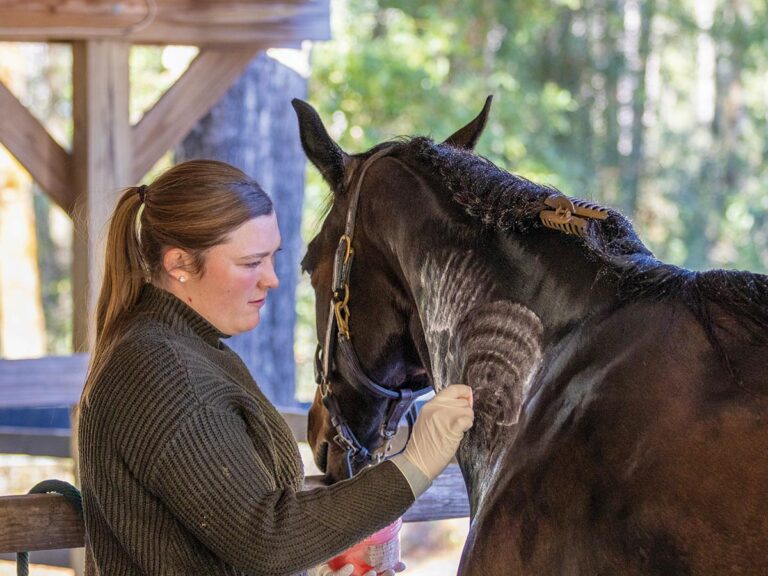
TheHorse.com Facebook fans selected Sarah Borns’ photo as the overall winner of the Don’t Spook! contest.

TheHorse.com Facebook fans selected Sarah Borns’ photo as the overall winner of the Don’t Spook! contest.
The International Equine Science Society released a statement on techniques that could compromise horse welfare.

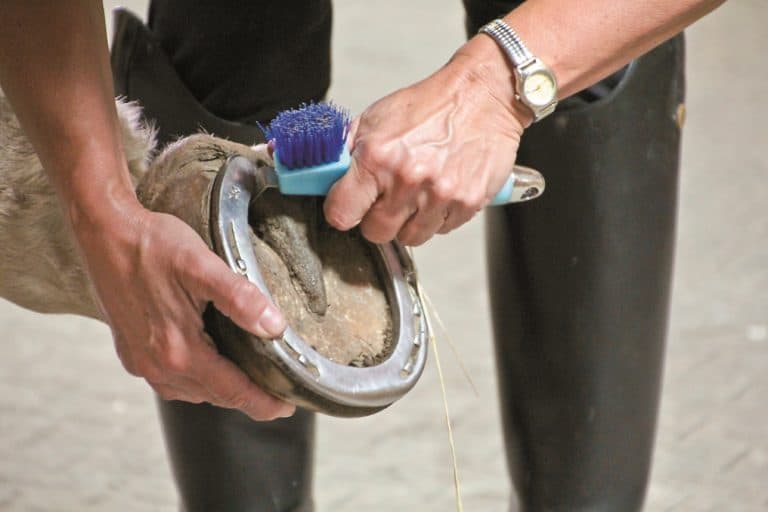
Metal shoes have a greater risk of damaging bone during a kick than polyurethane shoes or barefoot feet.
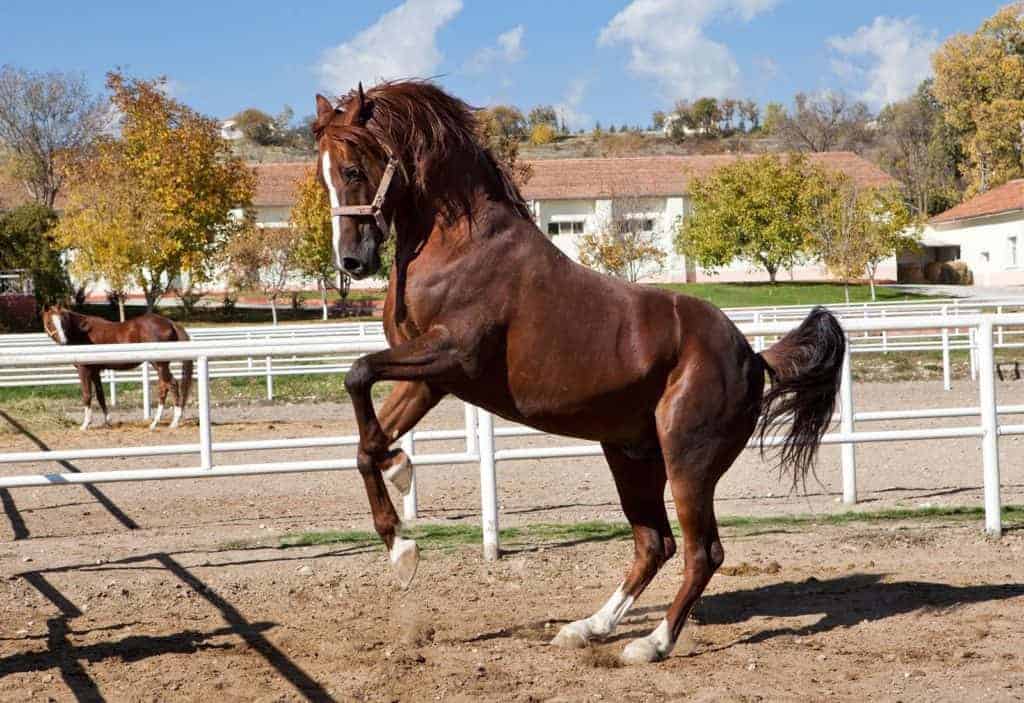
A behaviorist offers feedback about a Facebook fan’s video of a rearing horse. Her take? Aggressive rearing is unsafe.
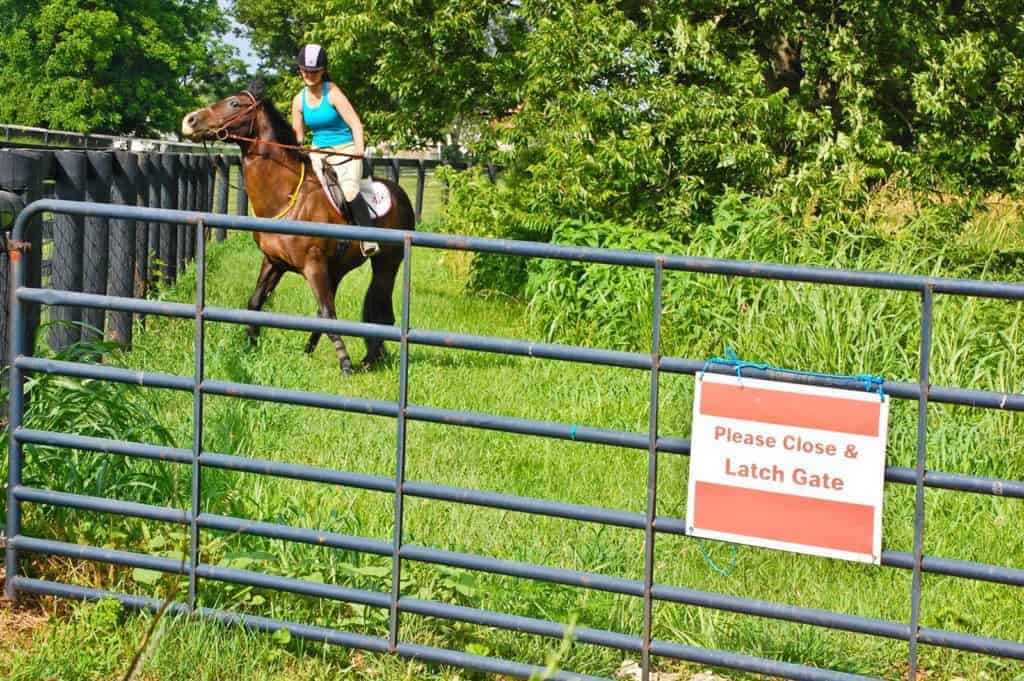
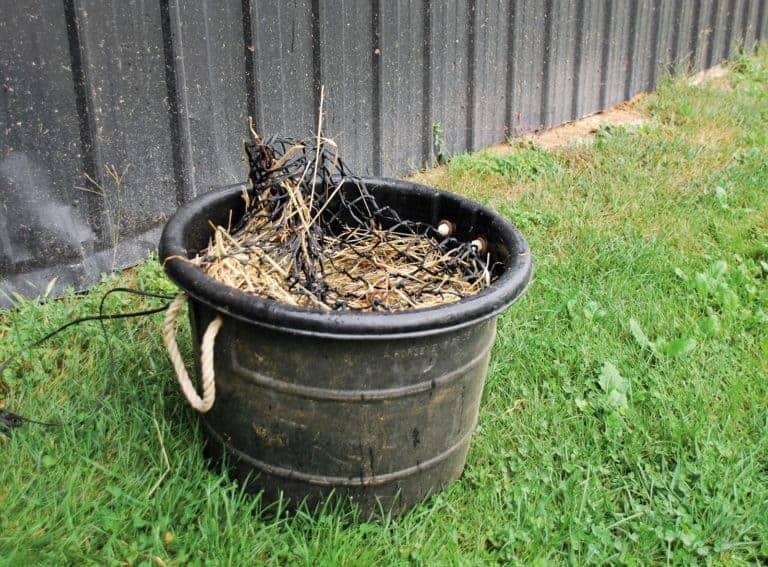
Is your horse an expert spooker? Enter The Horse‘s contest for a chance to win!

A saddle fitter shares some early warning signs that your tack and your horse’s back aren’t meshing.

Considering adopting a mustang? Here’s what you need to know.
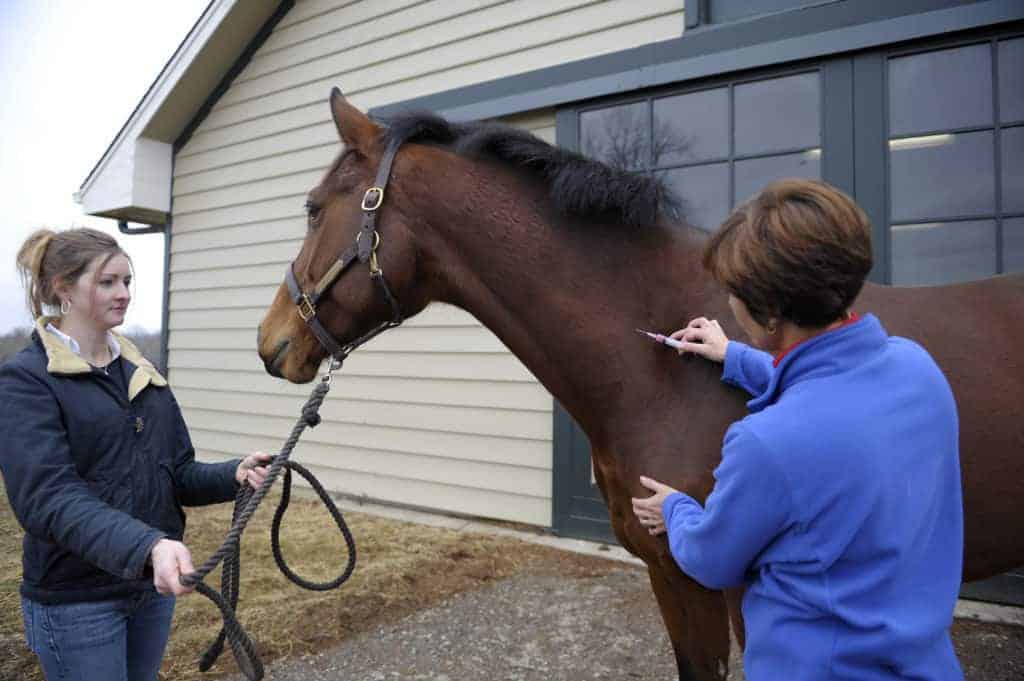
An equine behaviorist offers tips on managing potentially stressful situations to which horses might react adversely.

Riders might soon be able to monitor their horses’ physiological emotional responses and compare them with their own.
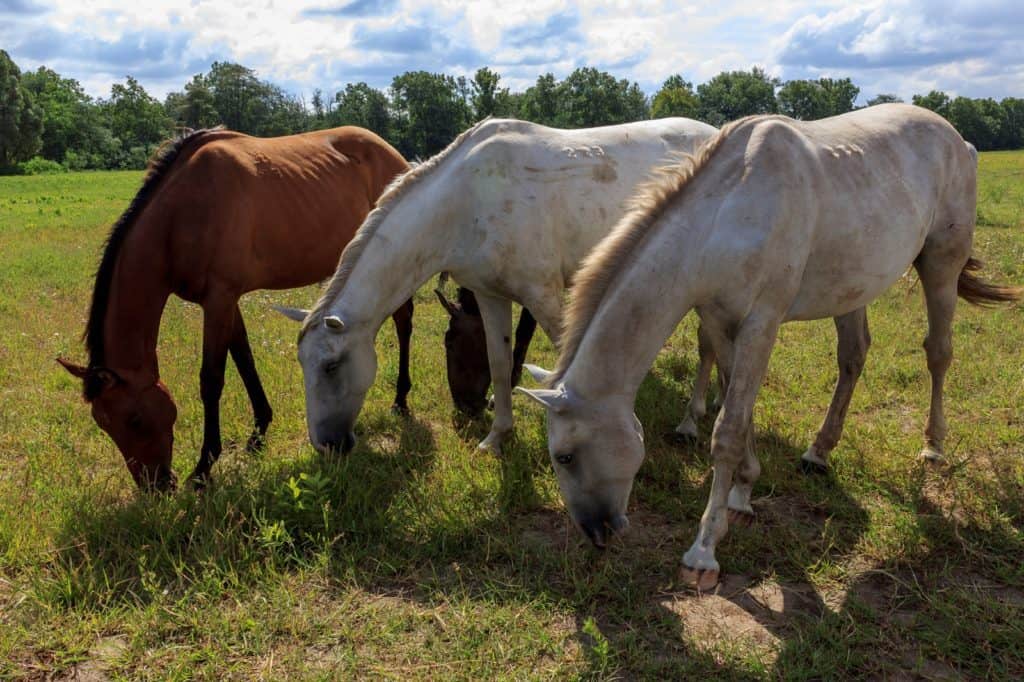
Scientists looked at four years of data to try to predict facilities’ compliance with animal welfare legislation.
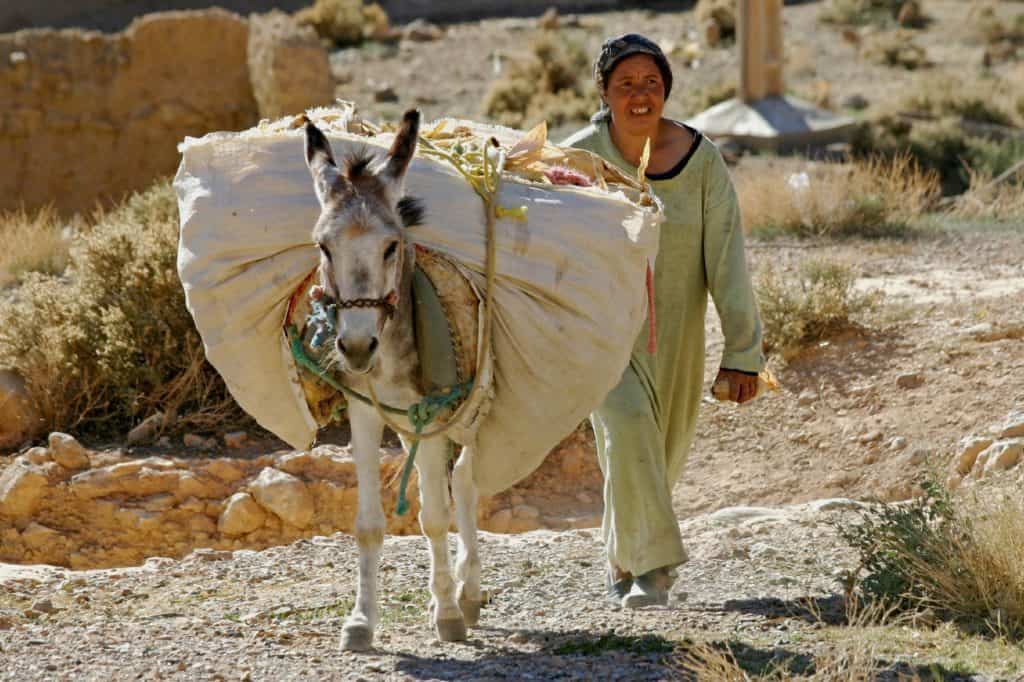
Researchers have confirmed that donkeys have far more subtle ways of expressing pain than horses.

Ridden horses express pain through facial behaviors differently from horses at rest, one researcher says.
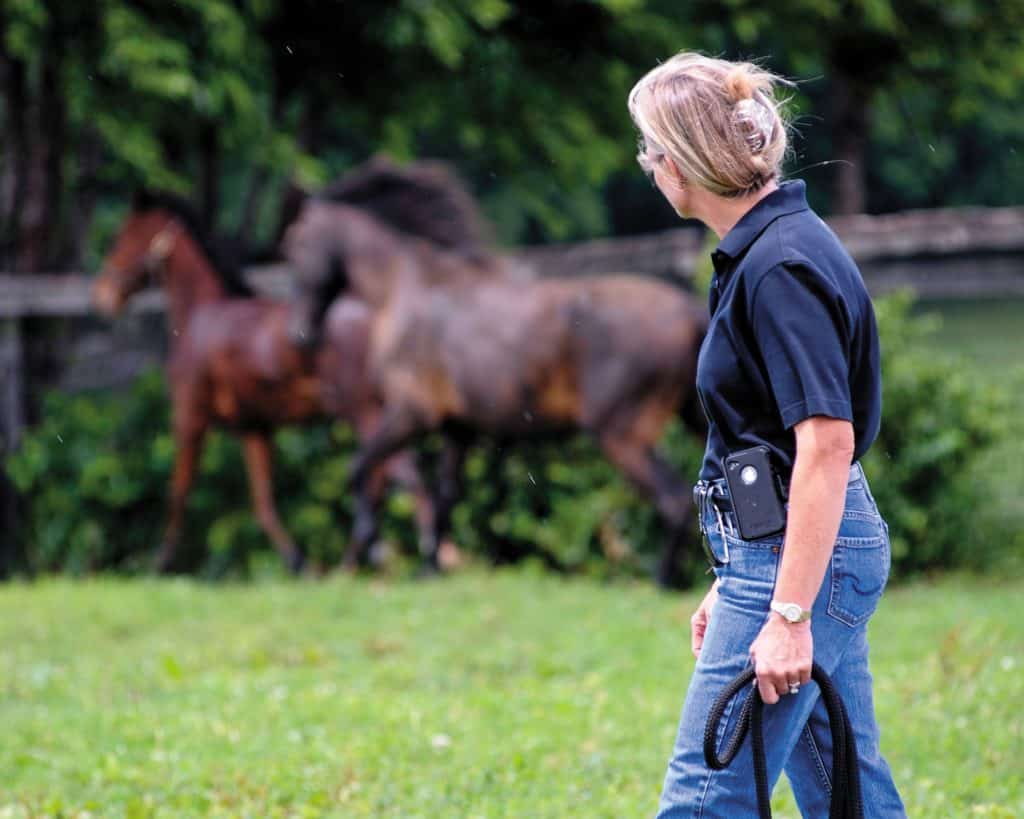
By gaining a better understanding of how horses associate and learn, can we train them more effectively and ethically?
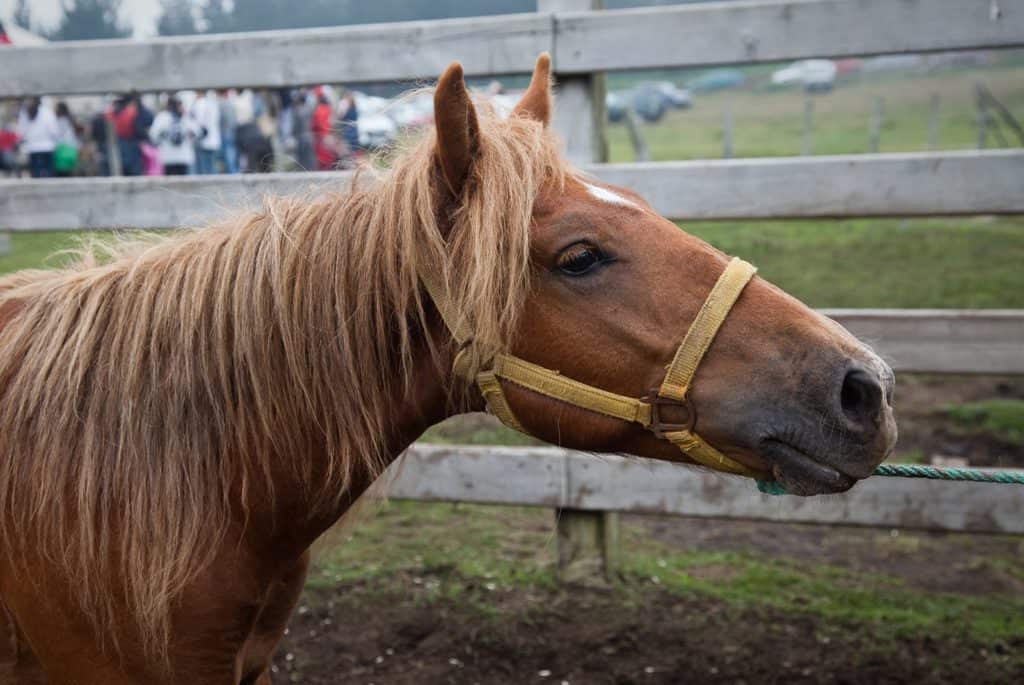
Learn how to teach your horse an alternate response to triggering stimuli.

Audio features on behavior, old horse care, mud management, skin issues, caring for your new horse, and more.

View information on skin conditions, deworming, staying sane on stall rest, feeding, conditioning, and more.