Social License to Operate in Equestrian Olympic Competition
Find out how Paris 2024 officials and equestrian sport governing bodies are addressing equine welfare and SLO concerns driven by social media’s growing influence.

Find out how Paris 2024 officials and equestrian sport governing bodies are addressing equine welfare and SLO concerns driven by social media’s growing influence.

A scientist highlights the importance of equestrian sports uniting and adopting science-based training methods to improve horse welfare beyond the 2024 Paris Olympic Games.
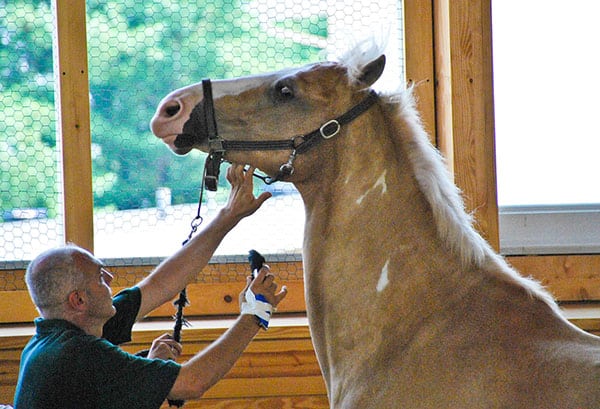
Determine why a horse is head shy, and then use learning theory principles to reverse the behavior.

Follow these 12 tips to improve your horse’s welfare while on stall rest for injury or illness.

When do horse training methods cross the line from accepted to abusive? Despite advances in horse welfare and behavior research, abusive training still occurs.

Researchers think certain sounds might reduce frustration behaviors in stalled horses.

Riders and owners might miss behavioral signs of pain in their horses. The RHpE is a scientifically validated tool for assessing pain in ridden horses.
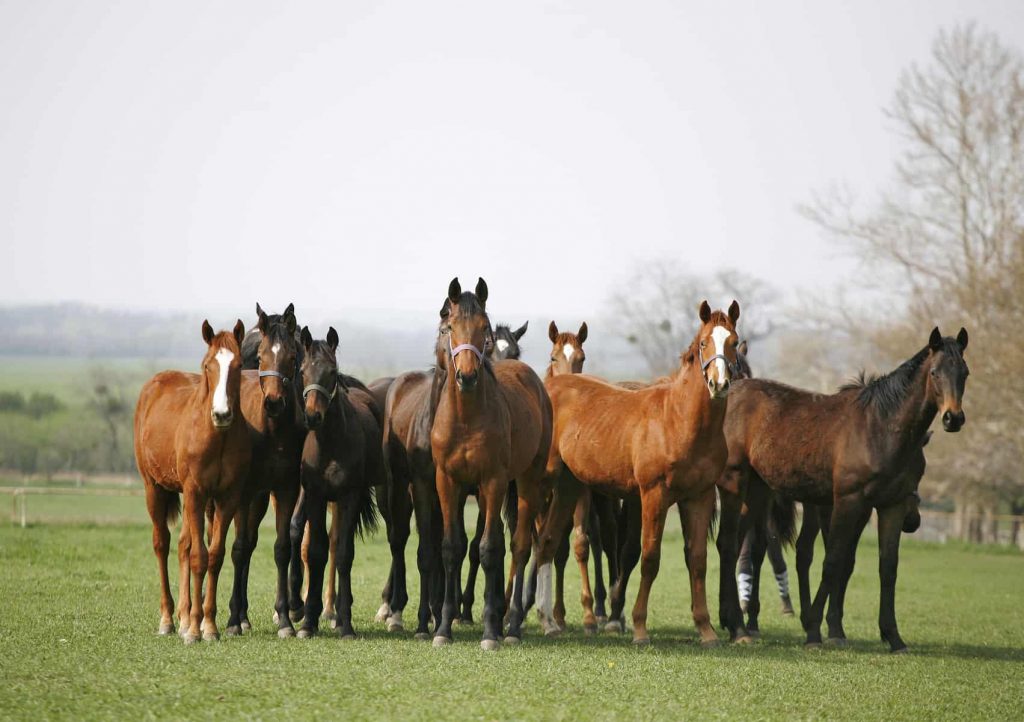
Horses that live in group pasture settings showed an increased ability to learn human cues, regardless of their relationship to the person.

The ponies in this research group learned to distinguish between 5 letters and select them on a touch screen.

Often, a horse’s behavior problems are rooted in either pain or incomplete training. Here’s what to consider.

Study results showed horses might wait for a more appealing treat, demonstrating self-control.
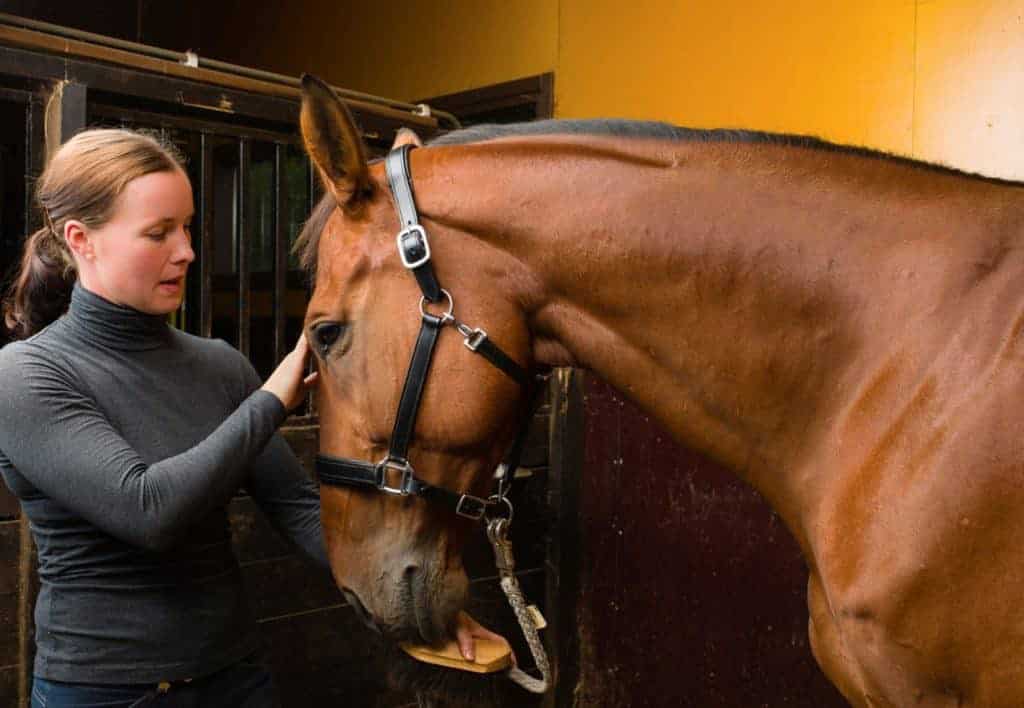
Researchers determined six key factors for evaluating the human-horse bond.

Results from a new study revealed some horses might associate mounting blocks with bad experiences.

A positive horse-human relationship starts with an awareness of shared goals.

Subjective measures of a horse’s performance might not always line up with good welfare.

Many equine-assisted services providers said they’d consider using retired racehorses in their programs; nearly one-third already do.