Let Horses Be Horses, Even in Elite Sport
Domestication is relatively new to horses, which is why two Italian researchers are urging competitive riders to allow their horses to engage in natural behaviors.

Domestication is relatively new to horses, which is why two Italian researchers are urging competitive riders to allow their horses to engage in natural behaviors.
While each horse is different, here are some common behavioral signs that can help you tell if your horse is happy, sick, or painful, as well as keep you safe.

A certified equine behavior consultant addresses the seemingly telepathic relationship some of us have with our horses.

For some riders, bitless bridles seem to spare the horse’s mouth from hard metal bits. However, study results show bitless bridles can also cause pain and structural damage.

Study results confirm dogs bond with humans, but science has yet to show horses do as well, even after people use positive reinforcement for training.

Researcher: As “sharper tools,” riders should use bits for communication with horses, not pain. Training the hands holding reins attached to the bit is important.

Find out how to keep you, your prone-to-worry horse, and those around him safe.

Equine behavior experts say the answer depends on the work … and the horse.

Dr. Sue Dyson and her research team evaluated facial expressions and body language of FEI World Cup dressage horses and found that, overall, the animals experience little discomfort while competing.

Italian researchers found that horses enter a positive emotional state when they see and interact with a familiar human who’s developed a good relationship with them.

Researchers: A newly published “catalog” of equine discomfort behaviors could help veterinarians, scientists, stable managers, and owners “speak the same language” when it comes to recognizing possible signs of discomfort in horses.

French researchers found that signs of poor welfare in the barn correlate with more behavioral signs of poor welfare under saddle.

Learn how horse owners can use empathy to predict and interpret horses’ behaviors and respond appropriately.

Researchers observed horses in three scenarios with unfamiliar humans armed with carrots. They found the horses reacted differently based on the humans’ intentions.
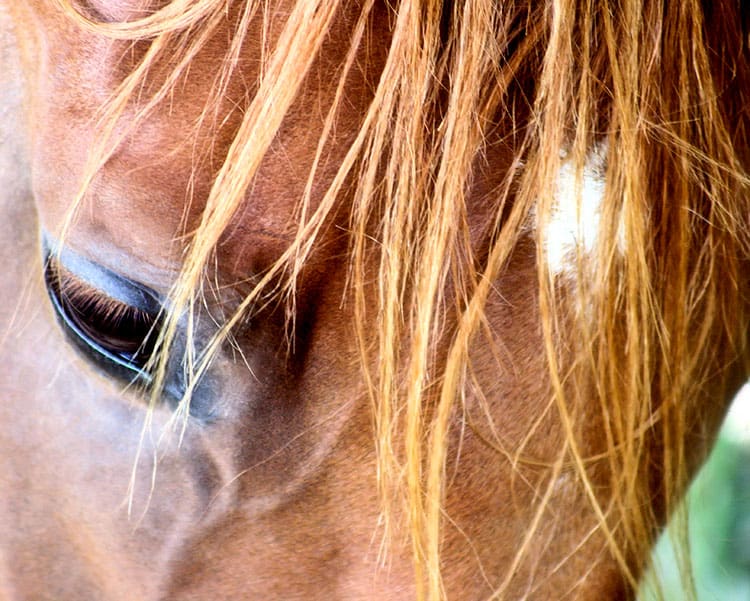
Many training styles and riding mistakes can make a horse less responsive to cues, pressure, and even pain—and that’s often the early stages of learned helplessness. Learn how to identify and prevent this negative mental state.

The online questionnaire allows owners, trainers, and industry professionals to evaluate and monitor horse behavior, training, and management over time.