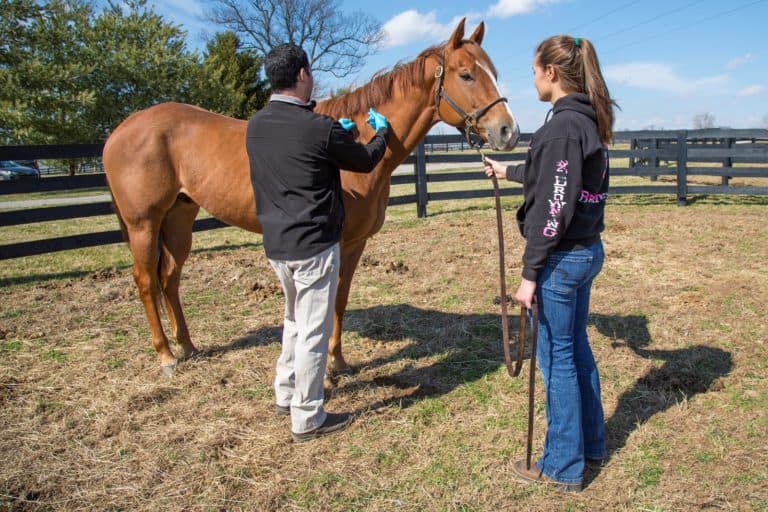
New Vocations Helped More Than 450 Ex-Racehorses in 2014
Of those horses, 80% were successfully retrained and adopted while the remaining 20% are being rehabilitated or trained.

Of those horses, 80% were successfully retrained and adopted while the remaining 20% are being rehabilitated or trained.

The 10-year-old Thoroughbred gelding suffered a cardiac event brought on by colic.
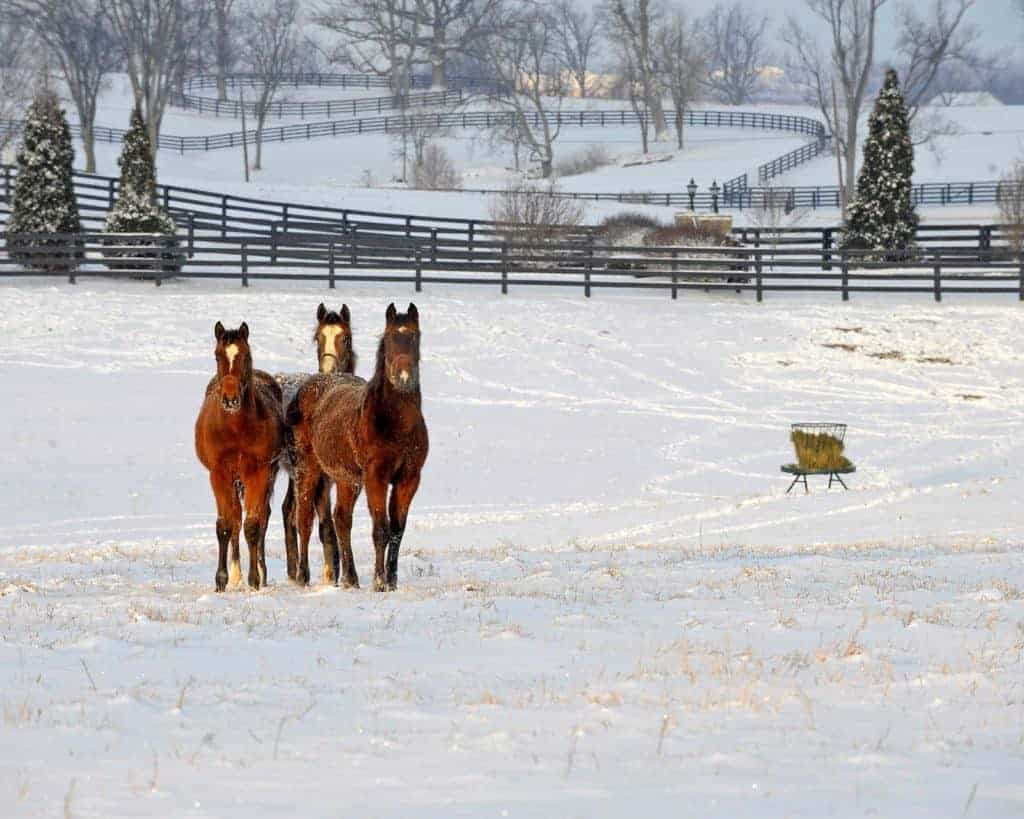
The group aims to become a booking outlet for tours of Kentucky farms, equine vet clinics, and equine attractions.
The ruling overturned a lower court decision mandating that the AQHA include clones in its registry.

The Blood-Horse‘s editor-in-chief explains how the TCA’s creation raised both money and awareness.
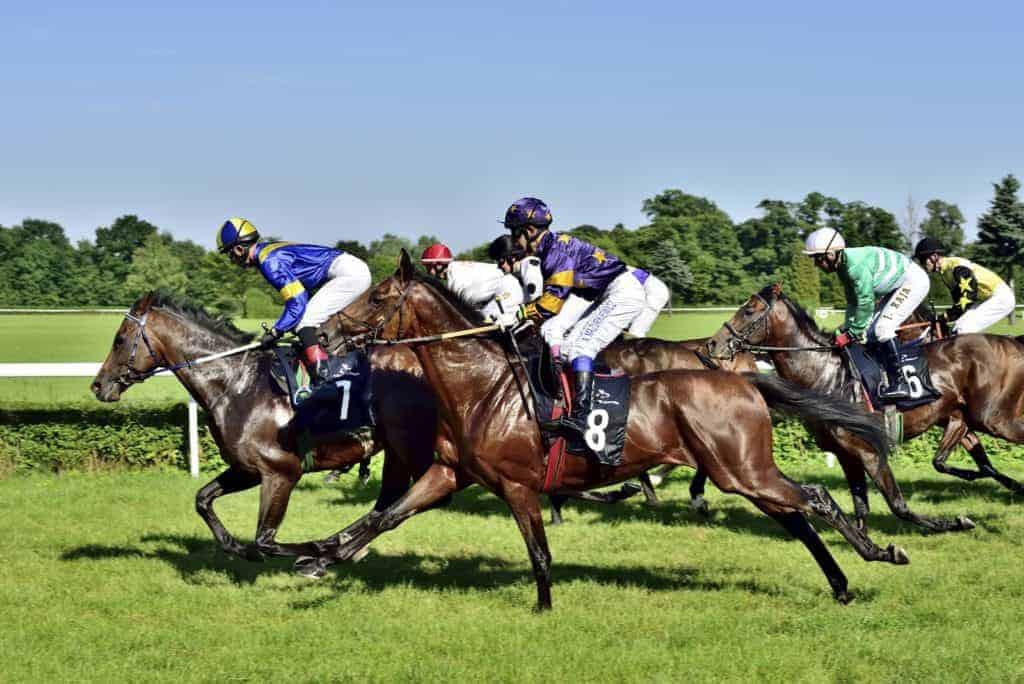
Researchers believe improved training and breeding could lead to reduced wastage and more “viable” horses.
Three Thoroughbred yearlings died in a Central Kentucky barn fire just before midnight on Jan. 10.
Equine aftercare organizations can apply for Thoroughbred Aftercare Alliance (TAA) accreditation through April 15.
The groups will join forces to facilitate the sale of more Thoroughbred ex-racehorses to the equestrian market.

Over the years there’s been a trend toward declining average starts for racehorses. Dr. Horohov presents possible reasons why.
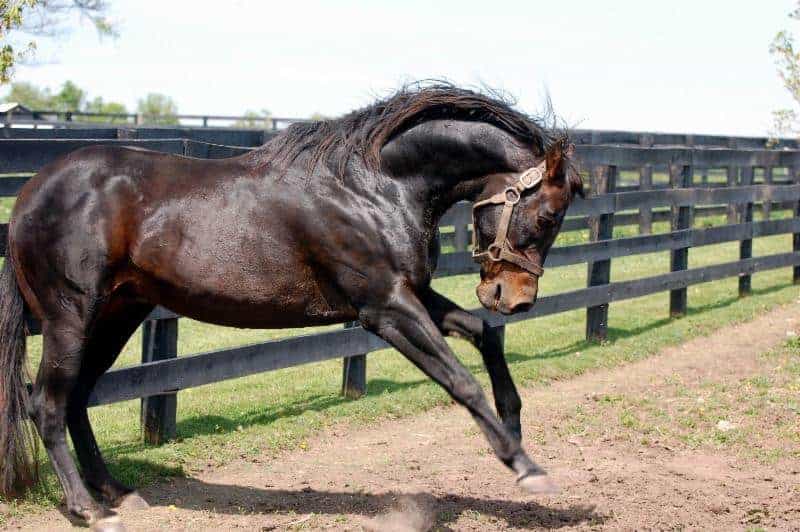
The 25-year-old Thoroughbred stallion was euthanized Dec. 22 due to complications following colic surgery.

More than 56% of injuries occurred in the right forelimb, the opposite of what’s most commonly seen in Thoroughbreds.
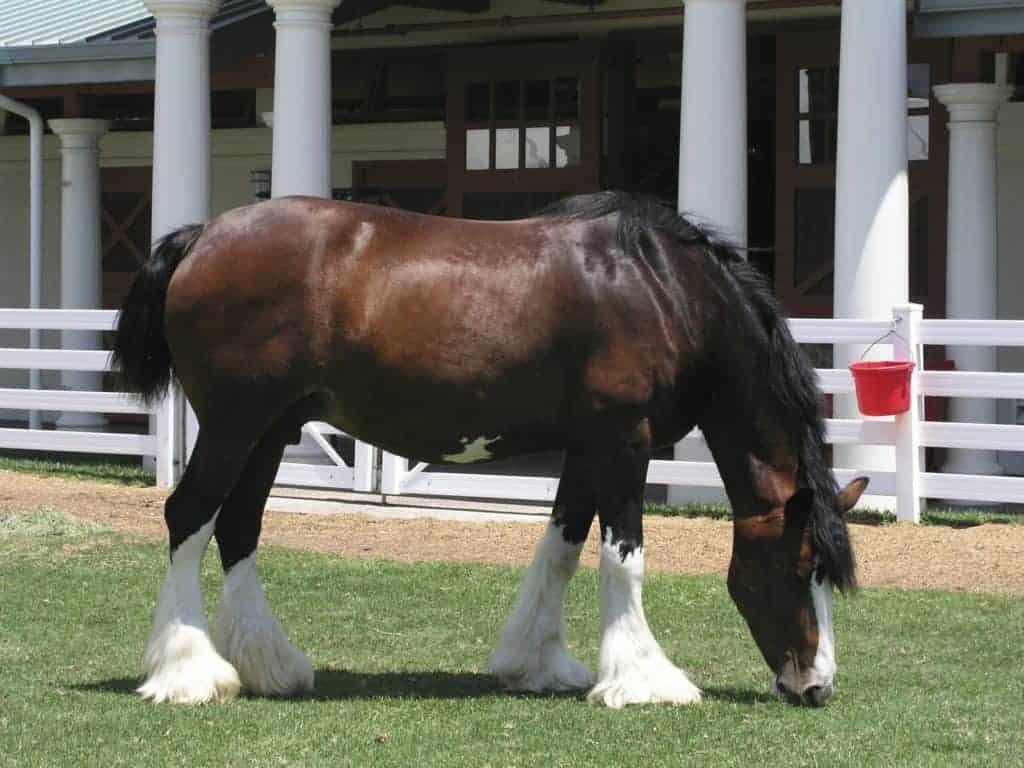
Listeners wonder if feeding guidelines for average-sized horses apply to Draft and Miniature Horses as well.
James G. “Jimmy” Bell, president and racing manager of Darley America, has been elected president of the organization.

Scientists behind a new study have identified behavior changes donkeys show when they experience pain relief.
The Thoroughbred Aftercare Alliance will award $2.4 million in grants to its 42 accredited facilities for 2014.