EIPH and Furosemide Use in Racehorses Explained
One researcher discusses EIPH, furosemide use in racehorses, and related scientific research.

One researcher discusses EIPH, furosemide use in racehorses, and related scientific research.
The fourth edition of the Welfare and Safety of the Racehorse Summit will be held Oct. 16-17.
Veterinarians removed a 15-inch external growth from the colt’s intestines this morning.
The statue was unveiled at noon on Sept. 29. Crowds gathered to see the life-sized bronze sculpture.
The move stems from a task force report that studied a spate of catastrophic breakdowns at Aqueduct Racetrack.
A show and sale will raise awareness for the opportunities available for off-track Thoroughbreds.
A spate of fatal breakdowns was primarily the result of structural deficiencies in rules and regulations.
Mountaineer racetrack has an policy stating owners and trainers must ensure horses are not “put to slaughter.”

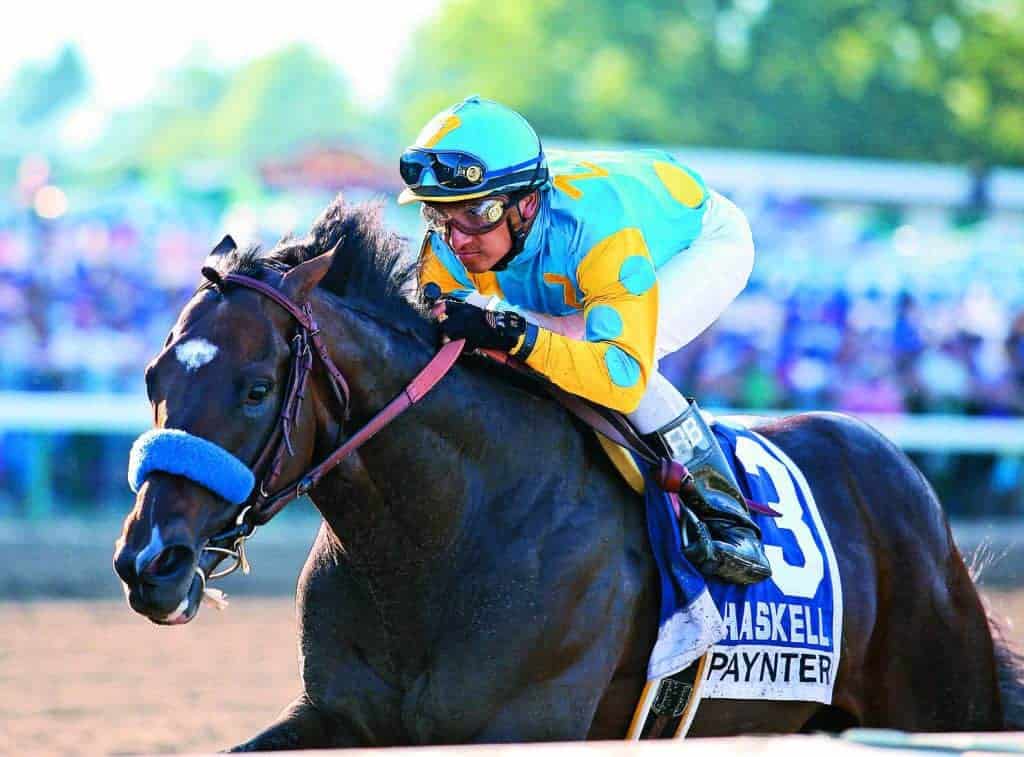
Paynter has “beaten laminitis” and will be able to race again if he beats colitis, his owner said Sept. 21.

Trainers managing Salix-free horses noted that none of them have shown signs of bleeding after races so far.
A meeting served as a information-gathering session in light of ongoing discussion about furosemide use.
The lawsuit alleges a host of complaints, including that horses were mistreated under the group’s care.
The colt continues to make strides towards recovery and a possible return to the racetrack.
Maram, winner of the 2008 Grey Goose Breeders’ Cup Juvenile Fillies Turf, died Sept. 6 from an acute illness.
The organization endorsed a proposal to have Salix administered by certain veterinarians only.
Gov. Steve Beshear implemented regulations reforming some aspects of the state’s equine medication policy.