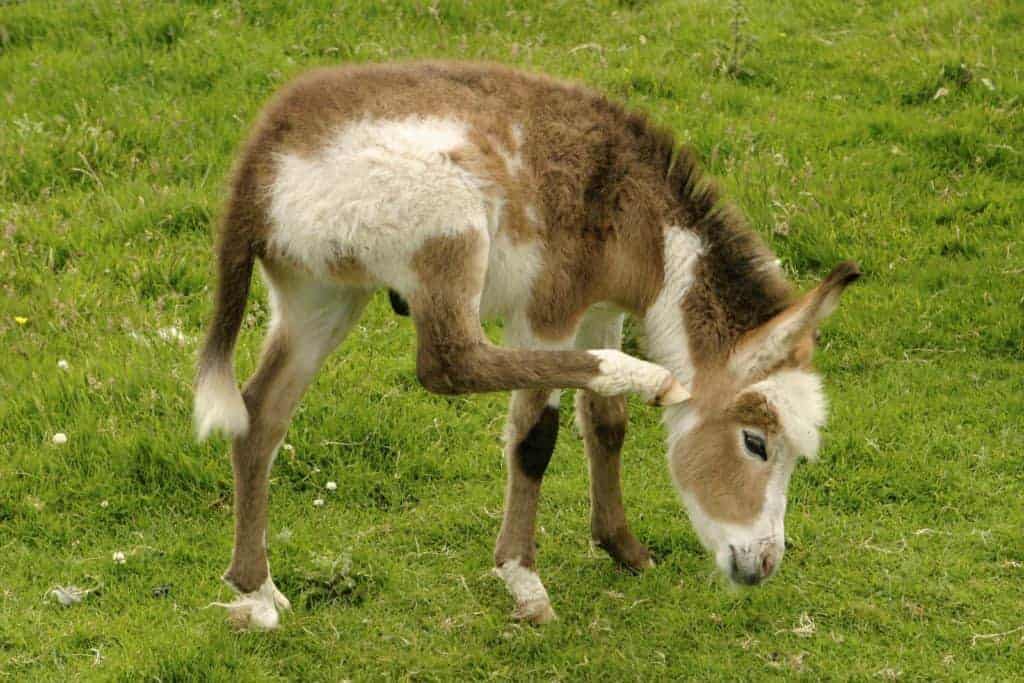
In Donkeys, Breeding White With White Could Be Lethal
Researchers believe breeding two white-spotted donkeys could lead to embryonic loss, fetal abortion, or the death of a young foal.

Researchers believe breeding two white-spotted donkeys could lead to embryonic loss, fetal abortion, or the death of a young foal.
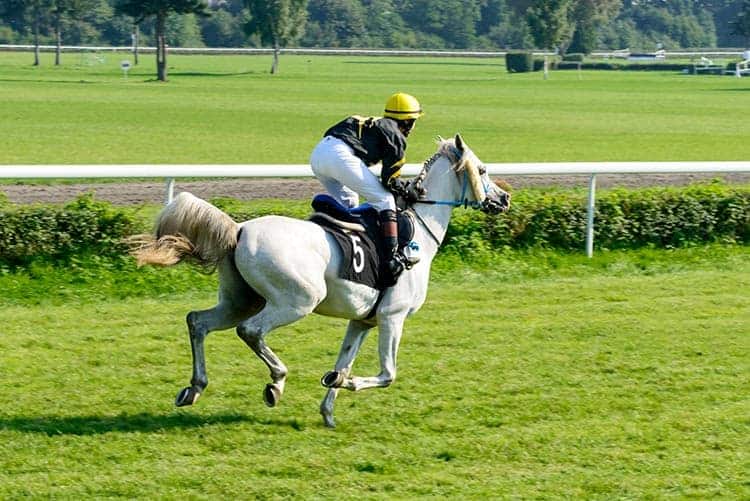
Study: Arabians with certain genes coding for less muscle fatigue, more time-efficient energy production, and improved muscular contraction have better racing results than those without.

The Thoroughbred and Young Rider of the Year Awards salute horses excelling in noncompetitive careers and recognize juniors, respectively.

Thirty-six out of 38 racehorses with subchondral bone cysts, mainly in the stifle, became sound within months of having a newly designed prosthesis implanted into their cysts.

The International Forum for the Aftercare of Racehorses (IFAR) is hosting its fifth forum as a virtual series on each Tuesday during the month of April.

Safety in Thoroughbred horse racing became a very public concern two years ago when a series of catastrophic breakdowns at Santa Anita Park in Southern California became national news. Veterinarians presented safety measures put in place to protect horses and humans.

Police horses fill a special place in the equestrian world. Here’s a look at the unique lives, needs, and challenges of these horses, as well as how they’re selected and trained.

Measuring mRNA markers might offer an economical, effective, and noninvasive way to detect horses at risk of catastrophic injury.

The Pleasant Valley State Prison program, an extension of the Thoroughbred Retirement Foundation’s Second Chances/Groom Elite Program, offers second careers to its racehorses and vocational training for student/inmates.

This is the first genetic variant for hypoparathyroidism identified in any domestic animal species. Testing is now available.

Learn why this fetlock injury occurs and how veterinarians diagnose it.

A reader’s senior Thoroughbred lost weight during the winter. Our equine nutritionist suggests simple ways to increase his body condition.

According to British researchers, fence color could make a significant difference in racehorses’ ability to visualize obstacles as they approach them.
Stride changes during races and works could help identify horses at risk of impending injury.

The Retired Racehorse Project’s executive director and longtime member of the racing industry offers insight into the pandemic’s effect on Thoroughbred rehoming as tracks close and sales are canceled.

Female mules can’t reproduce naturally. But researchers found they can make excellent surrogate dams for embryo transfer.