Eighth Racehorse Welfare and Safety Summit Scheduled
The summit will be held June 27, 2018, at the Keeneland sales pavilion, in Lexington, Kentucky.

The summit will be held June 27, 2018, at the Keeneland sales pavilion, in Lexington, Kentucky.

Fatal injuries in North American flat racing horses has decreased by 23%, but there’s still work to be done.

Get tips and information on considerations for choosing and transitioning racehorses for second careers.

More horse organizations are requiring owners to use this identification technology.

Veterinarians could be able to use this baseline data to identify prelaminitic changes in Arabian horses.

Donkeys’ hair coats hardly change across the seasons, meaning they aren’t as well-equipped to deal with cold weather as horses.
The organizations include 31 that were reaccredited and six that received accreditation for the first time.

Starting Jan. 1, 2018, breeders/owners will be required to report the birth of a foal in Great Britain within 30 days.
The ASPCA Rescuing Racers Initiative has granted more than $2 million to help protect former racehorses.
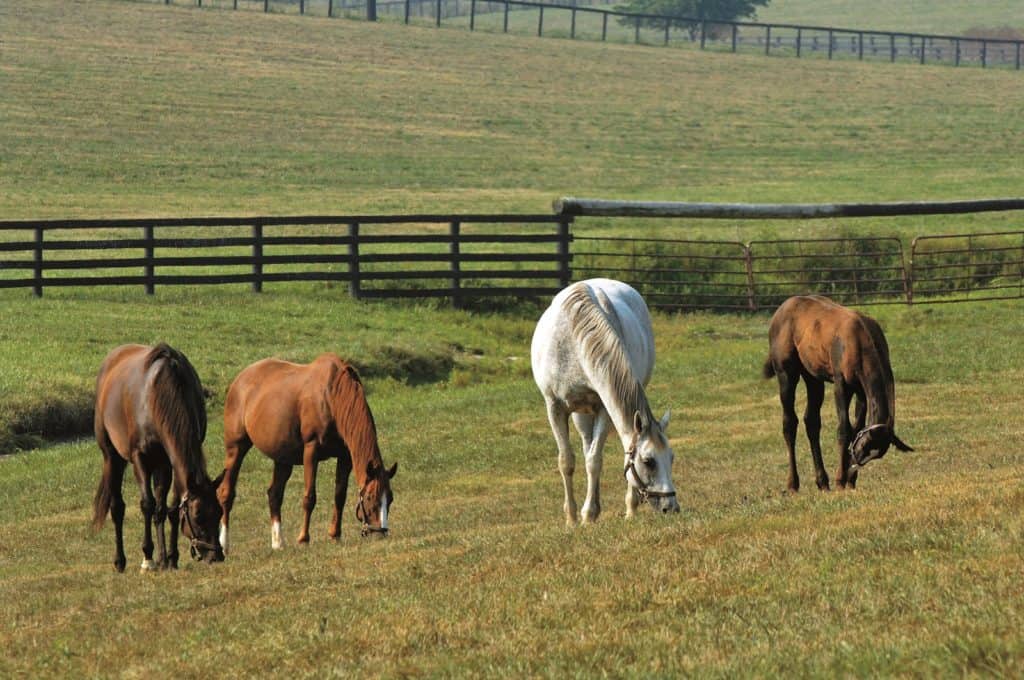
The Jockey Club will be using digital foal certificates to replace hard copies beginning with the 2018 foal crop.

The IFHA chairman received authority to work with relevant racing jurisdictions the anti-doping policy’s implementation.

Veterinarians and researchers are on an ongoing mission to reduce the number of racehorse injuries and deaths during racing and training.

Dr. Ernest Bailey shares information about genetic diseases that related to specific breeds.
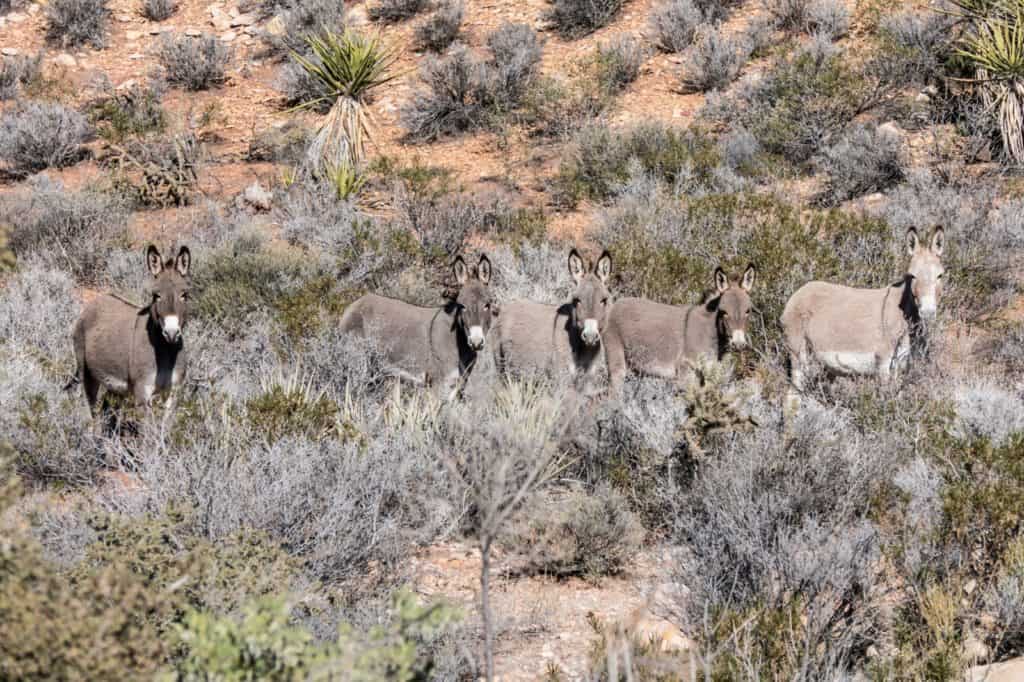
The BLM gathered 129 wild burros within and outside the Marietta Wild Burro Range, in Mineral County, Nevada.

Researchers say this seems to confirm lore that some horse breeds are more susceptible to EMS than others.

A special splint and cast can produce good fracture healing and pasture soundness in ponies, donkeys, and small horses.