Equine Wound Care
Horses tend to hurt themselves no matter how well we try to protect them. Download this free guide to learn about the five different types of wounds and basic equine wound care.

Horses tend to hurt themselves no matter how well we try to protect them. Download this free guide to learn about the five different types of wounds and basic equine wound care.

Find a safe and durable footing to support your horse’s soundness.

Dental pulp injections helped reduce pain and improve lameness in horses with soft tissue injuries and arthritis.
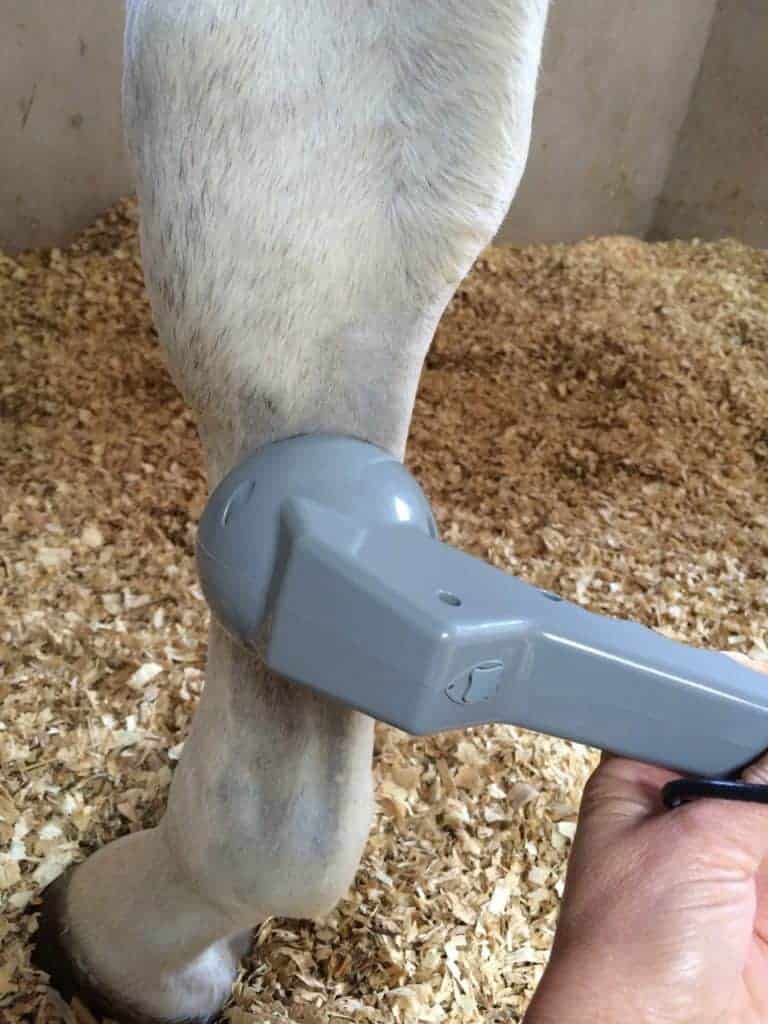
The amount of laser light reaching internal structures depends on the horse’s hair and skin thickness and color.

Sonoelastography can help vets monitor healing and develop rehab programs best-suited for the horse’s recovery rate.

Xylazine, detomidine, and romifidine appear to have few effects on lameness exam results when used without butorphanol.

Vets can use MRI to help diagnose injuries, select treatments, monitor healing progress, and determine prognosis.

Tailored rehab plans and frequent veterinary checks are just two pieces of the rehabilitation puzzle.

Thermography is a noninvasive, safe, and cost-effective diagnostic imaging tool used in equine health care.

Specific proteins from the ‘orf’ virus could help improve wound healing, scientists found, but more research is needed.

Successful treatment depends on an accurate diagnosis and good knowledge of the therapeutic options available.

Vets can glean crucial information by evaluating horses with performance issues in hand, on the longe, and under saddle.

Veterinarians discuss how they diagnose and treat injuries to the collateral ligament, DDFT, navicular bursa, and more.

Articles on behavior and equitation science, wound care, laminitis, beet pulp, hoof care, and more were popular in 2016.
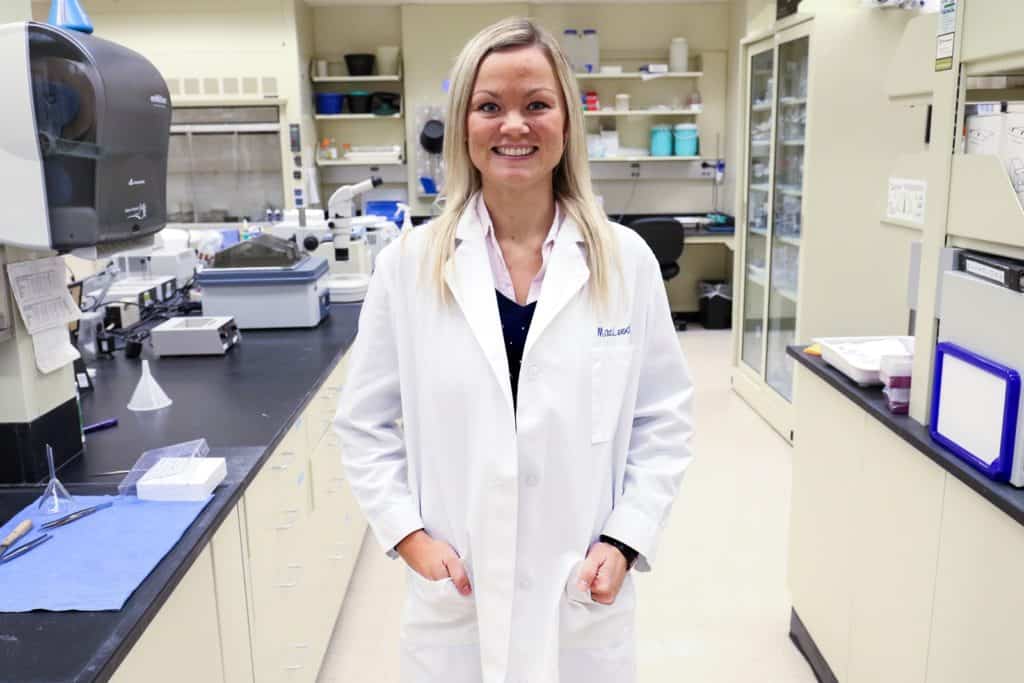
Jasmin Bagge, DVM, is studying the use of stem cells to facilitate tissue repair following injury in horses.

Veterinarians have begun research, using the scanner in a clinical trial on client-owned horses.