Equine Regenerative Medicine Topic of Dec. 6 Lecture
Dr. Kyla Ortved will review the varying types of regenerative medicine and their applications in the equine athlete.

Dr. Kyla Ortved will review the varying types of regenerative medicine and their applications in the equine athlete.

Researchers are making steady progress toward understanding catastrophic fractures and, ultimately, how to prevent them.

Do you have a mature or senior horse? Find out how to keep him comfortable and competitive as he ages!

A look at noninvasive high-tech therapies–from lasers to ceramic-thread blankets–and how they might help horses heal.
Researchers will work to develop culture techniques so donor stem cells can be used safely and effectively in horses.
Drs. Tim Parkin and Sarah Plevin describe studies focused on predicting injury before it occurs.
The British survey results also suggest that lamenesses are more likely to originate in the limb than in the foot.
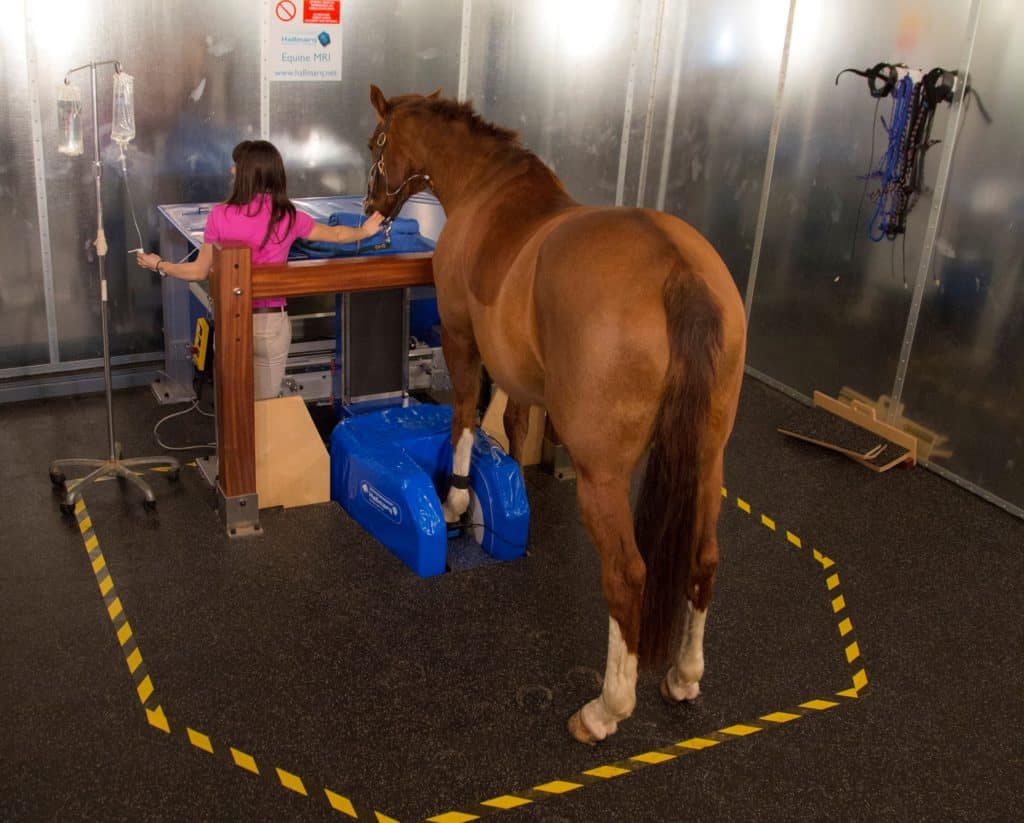
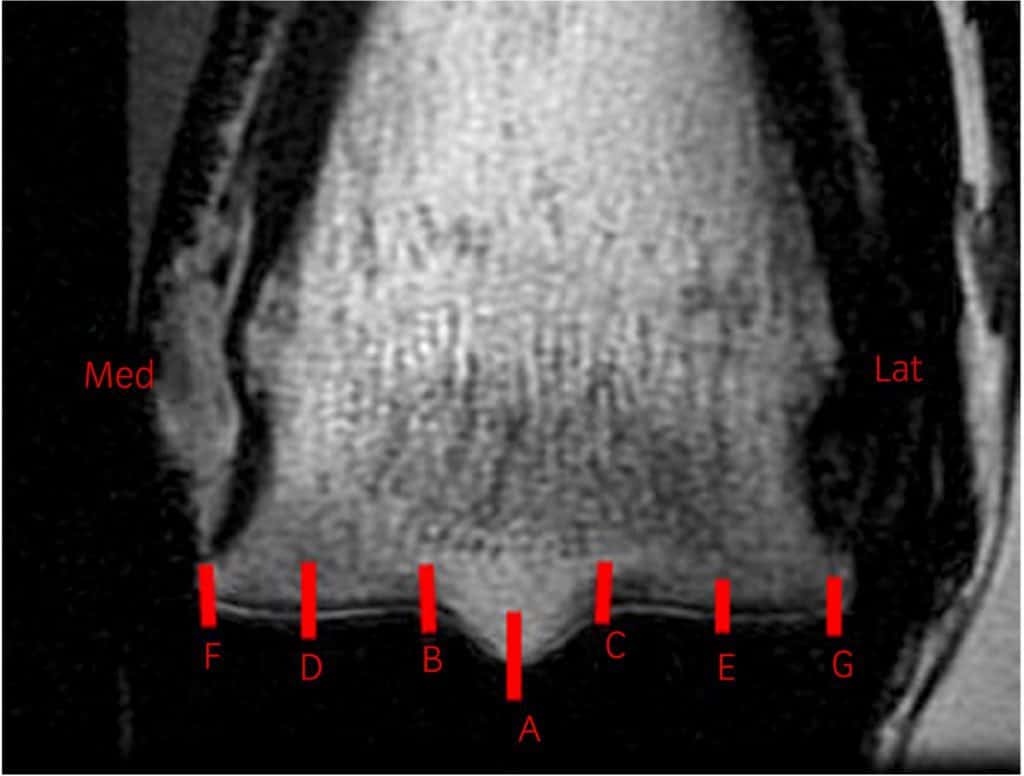
Researchers found that standing MRI is effective for viewing the difficult-to-image ligaments in the horse’s lower legs.

Drs. Liz Arbittier and Jessica Morgan will provide tips to help owners improve their lameness identification skills.

Hot topics include digestion, metabolism, soft tissue injuries, and inflamm-aging.

If my horse gets a cut, how can I tell if it’s severe enough to require a veterinarian to suture it?

Cortes ‘C’ sustained an injury during the first round of the team competition on Aug. 16.

Injecting bone marrow aspirate into core SDFT lesions yielded good results for returning racehorses to competition.

Your horse is wounded, bleeding, or critically ill: What should you do? Get advice from our expert!

Researchers found that hard surfaces, shallow footing depths, and compacted footing could increase horses’ injury risk.

PET reveals activity at the molecular level and detects changes in tissue before the size or shape is modified.