Thoroughbred Racehorse Fatal Injury Rate Steady in 2014
The incidence of fatal injury for 2014 was 1.89 per 1,000 starts, compared to 1.90 per 1,000 starts in 2013.

The incidence of fatal injury for 2014 was 1.89 per 1,000 starts, compared to 1.90 per 1,000 starts in 2013.
Study topics include laminitis, foal pneumonia, stem cells, endometritis, joint issues, insulin resistance, and more.
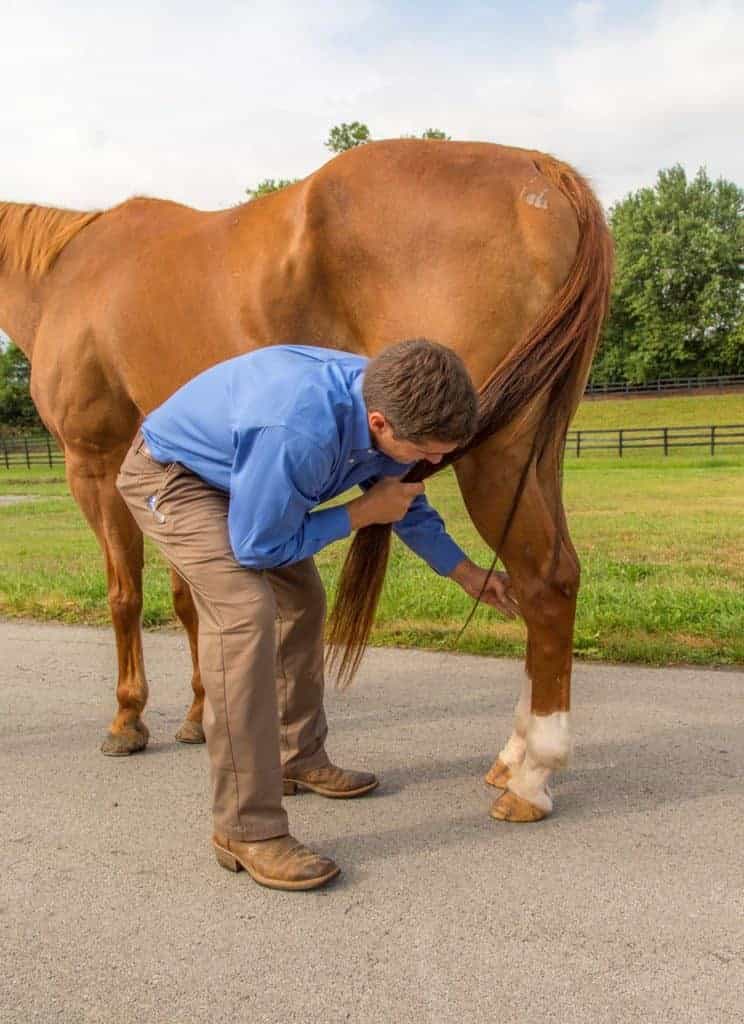
If a horse is hind-limb lame, consider issues where the superficial digital flexor tendon (SDFT) attaches to the hock.

One vet says early treatment and rehabilitation techniques are key to successful platelet-rich plasma (PRP) therapy.

Practitioners should choose cases and prepare cells carefully for the best chance of treatment success, one vet says.

From selecting a horse to rehabbing and feeding him, learn how to transition an ex-racer to life as a riding mount.

Veterinarians, avoid these common mistakes to make the most out of your nerve blocks during lameness exams.

Horses’ superficial digital flexor tendons stiffen as they age, putting the structures at risk of tearing.

Learn how vets are using an arthroscope that’s 1.3 mm in diameter and 100 mm in length to evaluate stifle problems.

Studies covered stem cells, nerve blocks, respiratory issues, joint supplements, kissing spines treatments, and more.

From feeding and training to shoeing and warm-up protocols, learn how to keep your dressage horse fit to perform.

Learn why magnetic resonance imaging (MRI) considered the “gold standard” for diagnosing equine lamenesses and get your questions answered about how MRI can help your horses during this live event.

Good leg conformation in a horse is a must if that animal is to remain serviceably sound for performance.

Have you ever wondered how a veterinarian would train and develop a horse? Find out from a veterinarian who’s also a Grand Prix dressage trainer and clinician.

Wound care is one of those many horse issues where there are as many opinions as there are horse owners.

Injuries to the top of the rear cannon bone are some of the most difficult to diagnose.