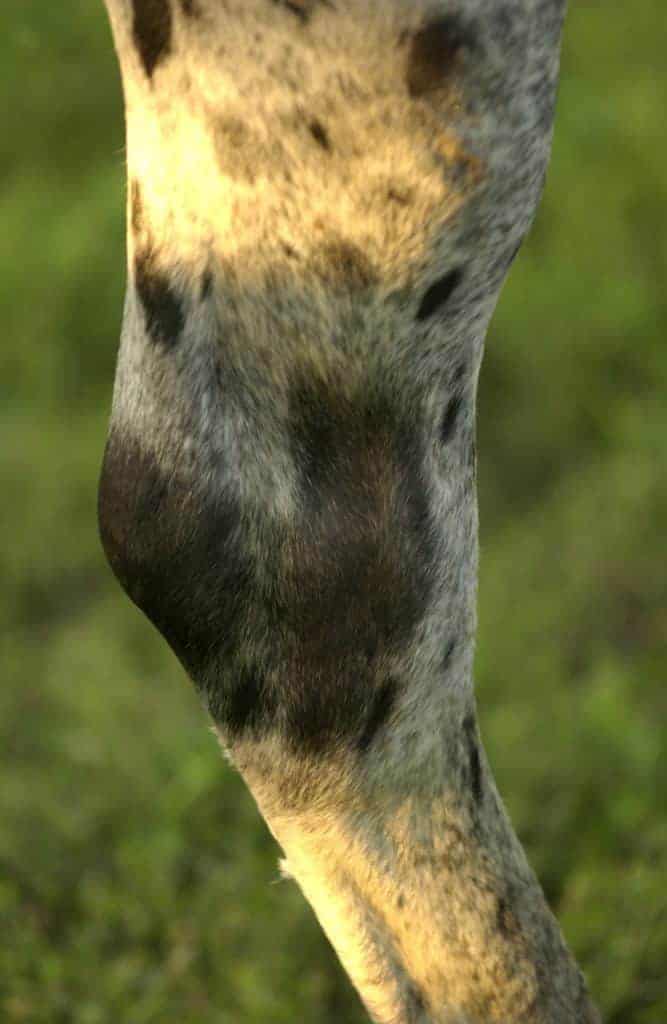
Hind-Limb Collateral Ligament Injuries Examined
Study results indicate affected horses have a guarded prognosis to return to athletic soundness.

Study results indicate affected horses have a guarded prognosis to return to athletic soundness.

Whether large or small, serious or innocuous, all wounds follow a distinct and complex healing process.
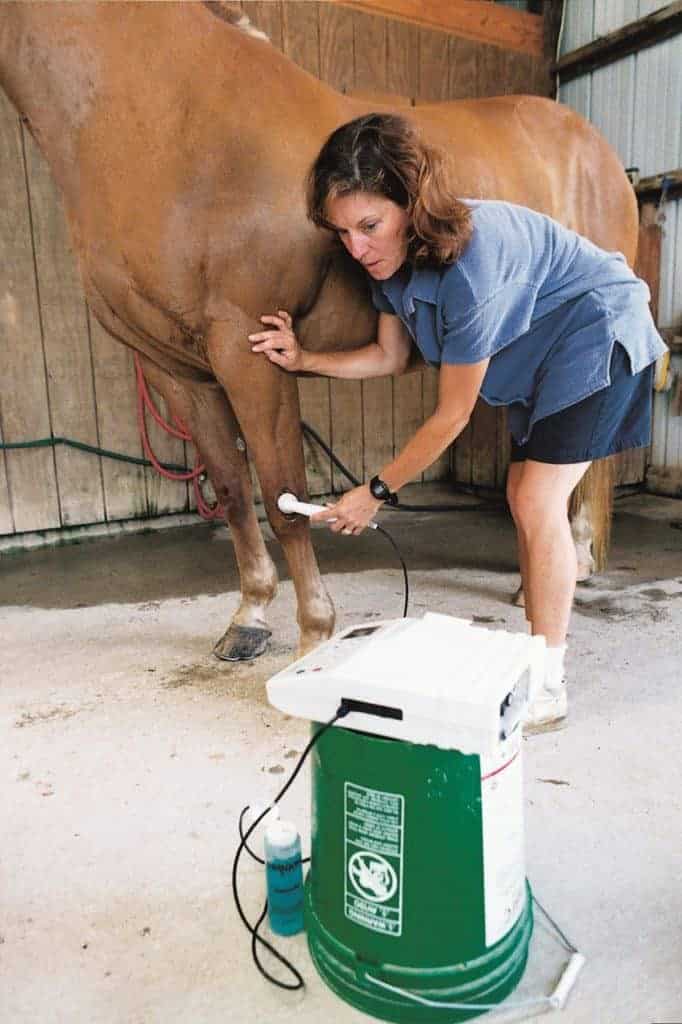
Researchers identified what ultrasound settings achieve adequate temperature increases to be therapeutic.
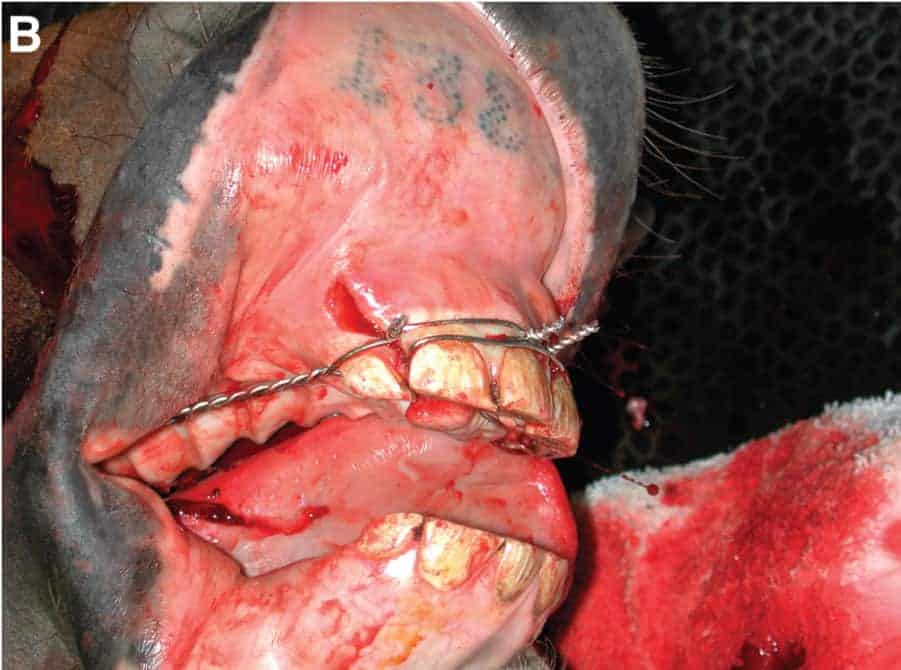
Knowing how to manage head injuries allows vets to provide quality care when faced with an ailing horse.
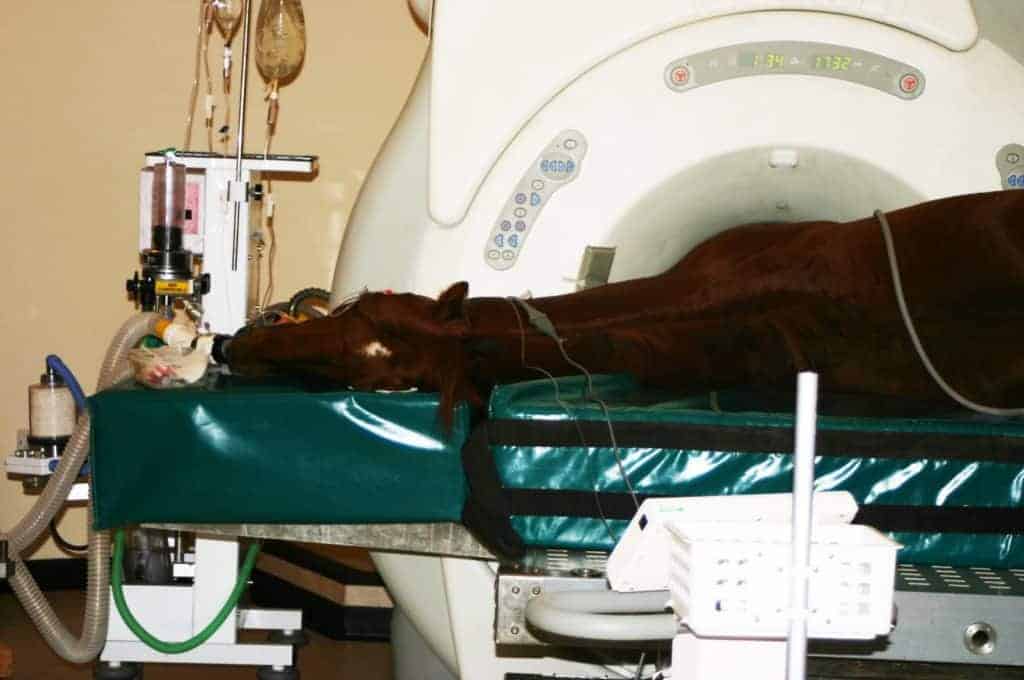
Researchers say MRI is invaluable for identifying suspensory ligament lesions and sesamoid bone damage.
The Grayson-Jockey Club Research Foundation approved funding of 12 new projects in 2013.

Researchers found no significant improvement in SDFT injuries treated with mesenchymal stem cells.

Using both MRI and scintigraphy could be beneficial when diagnosing suspensory-ligament-related injuries

Dr. Bimbo Welker describes how to manage wounds on horses and when to call in a veterinarian during the 2013 Western Veterinary Conference in Las Vegas, Nev.

Penetrating injuries can have serious consequences for horses, but vets are well-versed in handling them.

Non-weight-bearing lameness is one of the most common emergencies practitioners manage in the field.

Researchers found variations in degree of fetlock flexion, hoof slide in horses working on different surfaces.

Consider the following “wishes” equine experts made to help maximize your horses’ quality of life.
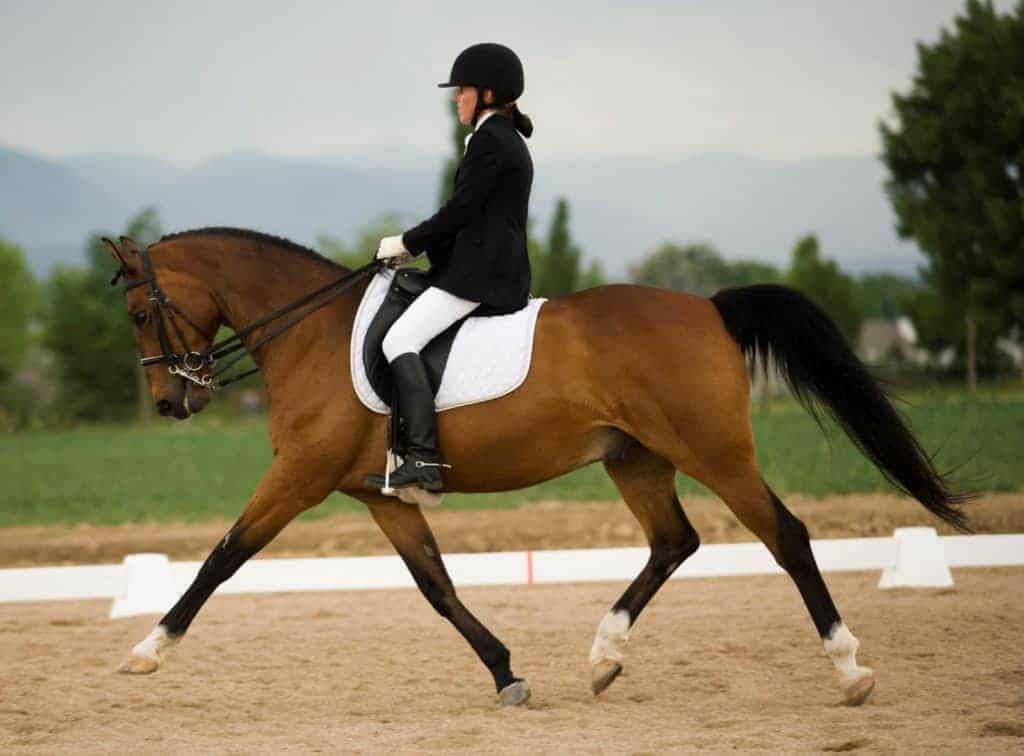
Recent study results suggest a possible link between extended trot and risk for suspensory ligament injuries.
The winner of the Darley Prix Jean Romanet was disqualified after testing positive for an anti-inflammatory.

The goal for sport horses, from prepurchase exams through their careers, is to extend the time to retirement.