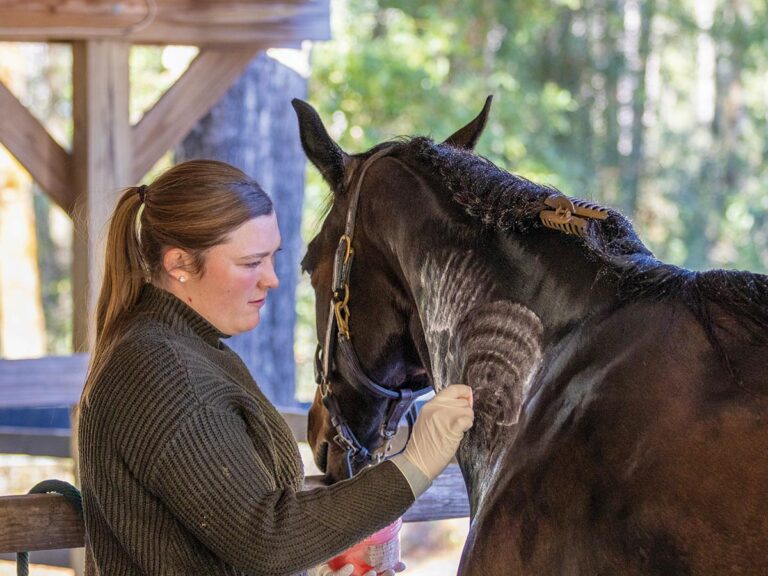
A Day Spent at an Equine Clinic Abroad
Take a behind-the-scenes look at the goings-on of a U.K. vet clinic and its differences from ones stateside.

Take a behind-the-scenes look at the goings-on of a U.K. vet clinic and its differences from ones stateside.

Some forelimb lamenesses can result in the horse appearing unsound in a hind limb.

Learn about common issues owners encounter with their horses’ spine and saddle fit and how to treat such issues.

Ultrasound is a useful method for diagnosing carpal sheath effusion, which is often associated with soft tissue damage.

Equine stem cells confined inside tiny capsules secrete substances that help heal simulated wounds in cell cultures.

Bringing a horse back to work after injury takes time, patience, and often the guidance of trusted professionals. Learn about management techniques and new therapy options that can help horses heal.

Consider this under-recognized issue before deciding which limb is the primary lameness source.
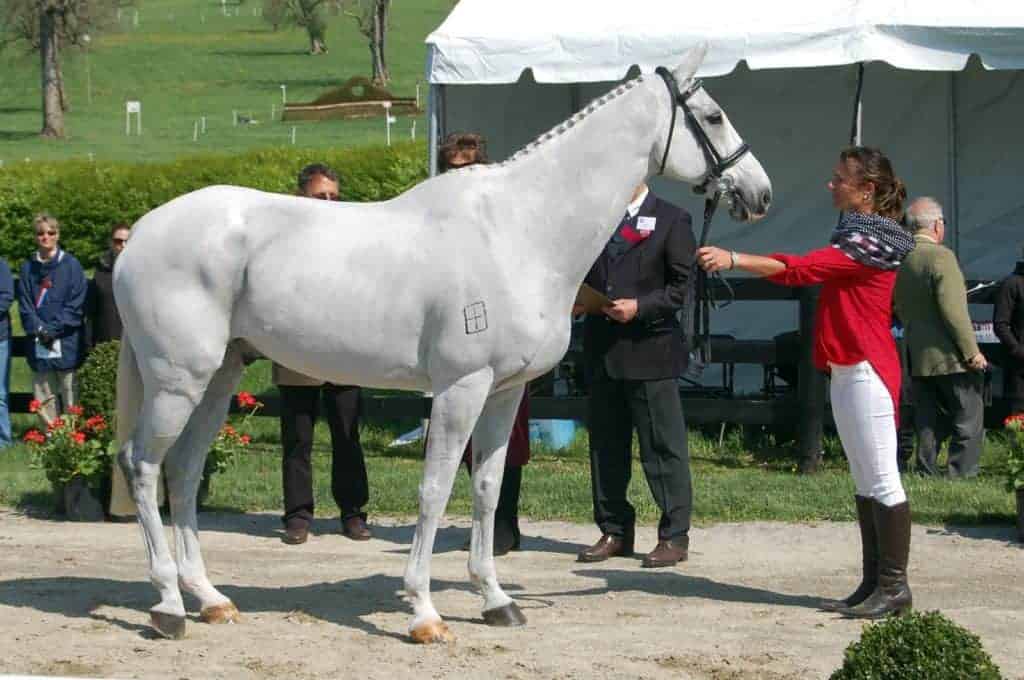
Dambala was euthanized due to a severe suspensory ligament injury sustained during the cross-country phase.
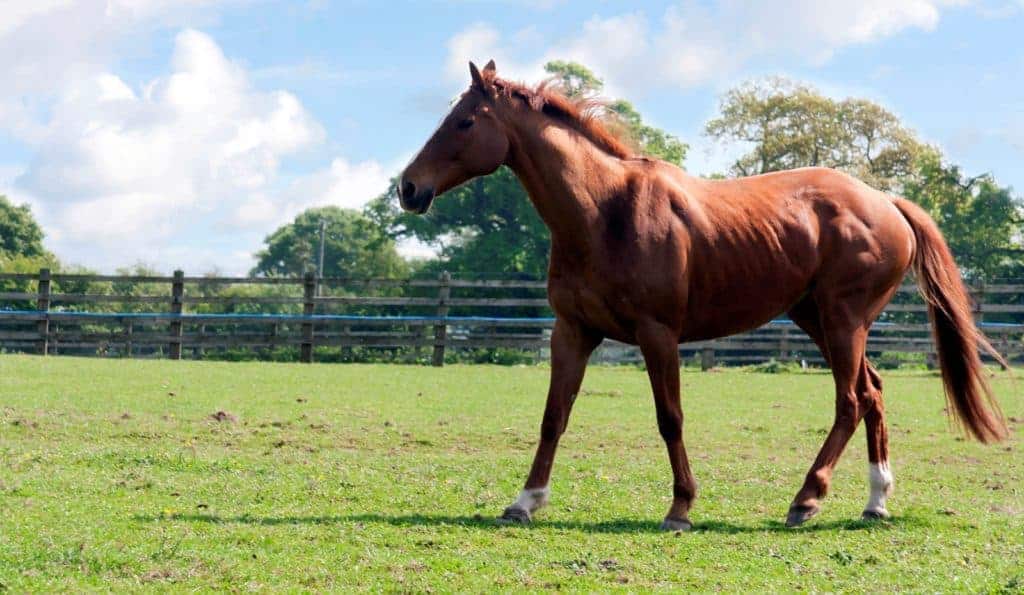
The tendon’s interfascicular matrix stiffens as it ages, making older horses more susceptible to injury.

Researchers have found success treating some proximal suspensory desmitis cases with autologous conditioned serum (ACS).
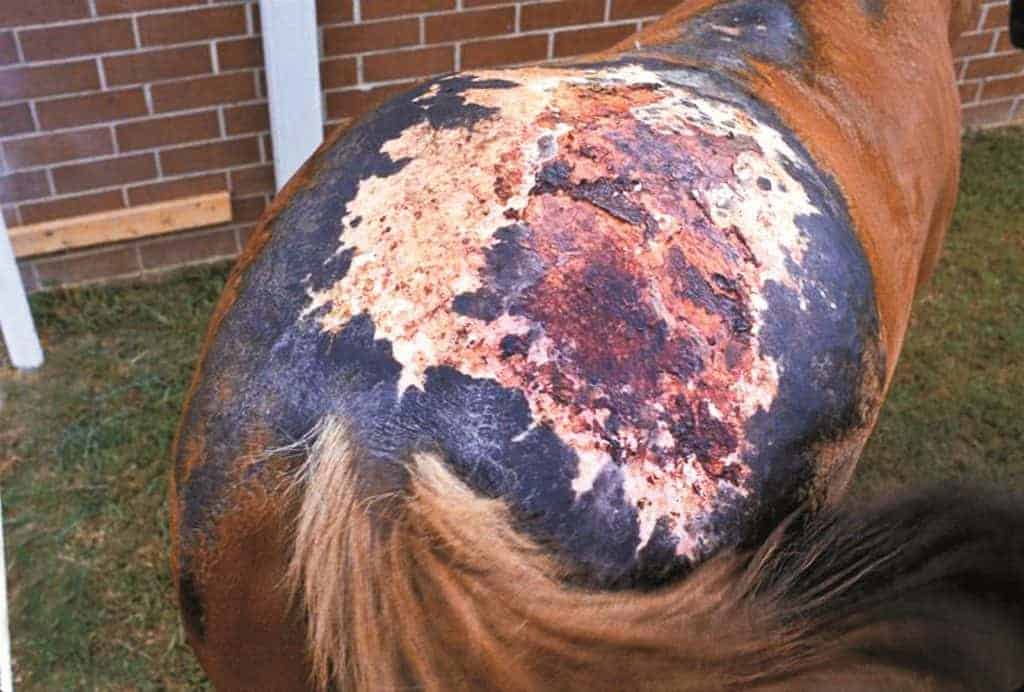
This artificial skin for horses could help vets manage wounds, burns, and other ailments, the investigators said.

Researchers examined the loading rates on a hoof of a galloping horse wearing different aluminum racing shoes.

Review the options vets have for looking inside horses’ bodies to see what’s causing a limp, swelling, or pain.

Learn about the challenges associated with interpreting perineural nerve blocks used to help diagnose lameness.
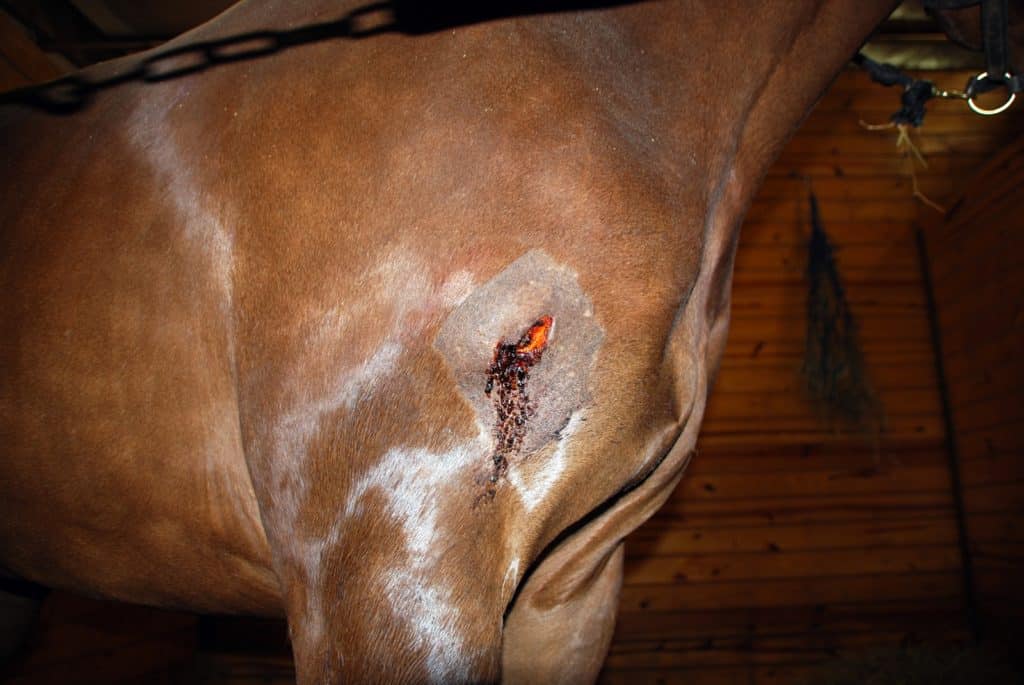
Researchers tested two approaches that could help them monitor wound size and the healing process more easily.

Researchers are studying and using everything from MSCs to PRP and ACS to BMPs. Here are the basics you should know.