Is it PPID or EMS? Diagnosing Equine Endocrine Disease
Dr. Dianne McFarlane compares pituitary pars intermedia dysfunction and equine metabolic syndrome.

Dr. Dianne McFarlane compares pituitary pars intermedia dysfunction and equine metabolic syndrome.

EOTRH is a painful, recently identified condition that primarily affects horses’ incisors and canine teeth.
Presentation topics will include body condition scoring, feeding Cushingoid horses, hay, and more.

Dr. Erin Denney-Jones provides information about Cushing’s Disease, or pituitary pars intermedia dysfunction (PPID).

Mastro’s research focused primarily on pituitary pars intermedia dysfunction (PPID), also known as equine Cushing’s disease.

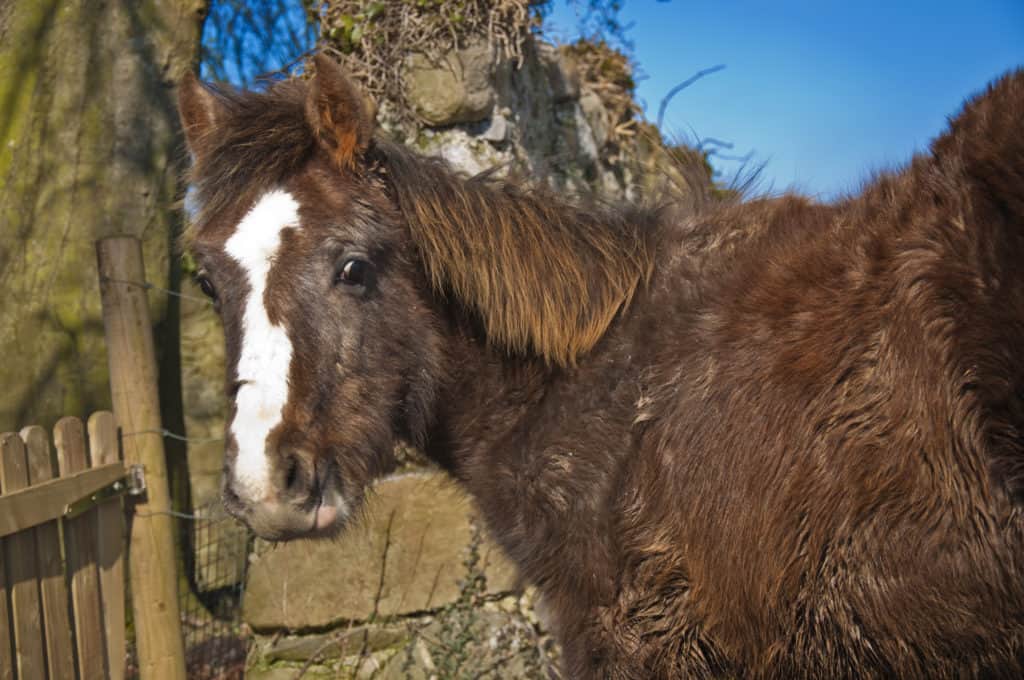
Each of your horse’s hairs speaks volumes about his overall health, nutrition status, and genetic makeup.
Bonfire was euthanized Monday (Oct. 28) due to complications from Cushing’s disease and laminitis.

The events will feature lectures on university programs, equine reproduction, and horse management issues.

Some veterinarians now believe that metabolic diseases likely have a negative impact on equine reproduction.

Study results show insulin resistance might be a concern for all aged horses, not just horses with PPID.

One researcher describes the differences between two common equine endocrine disorders: EMS and PPID.
Weighing the pros and cons of pituitary pars intermedia dysfunction tests old and new.
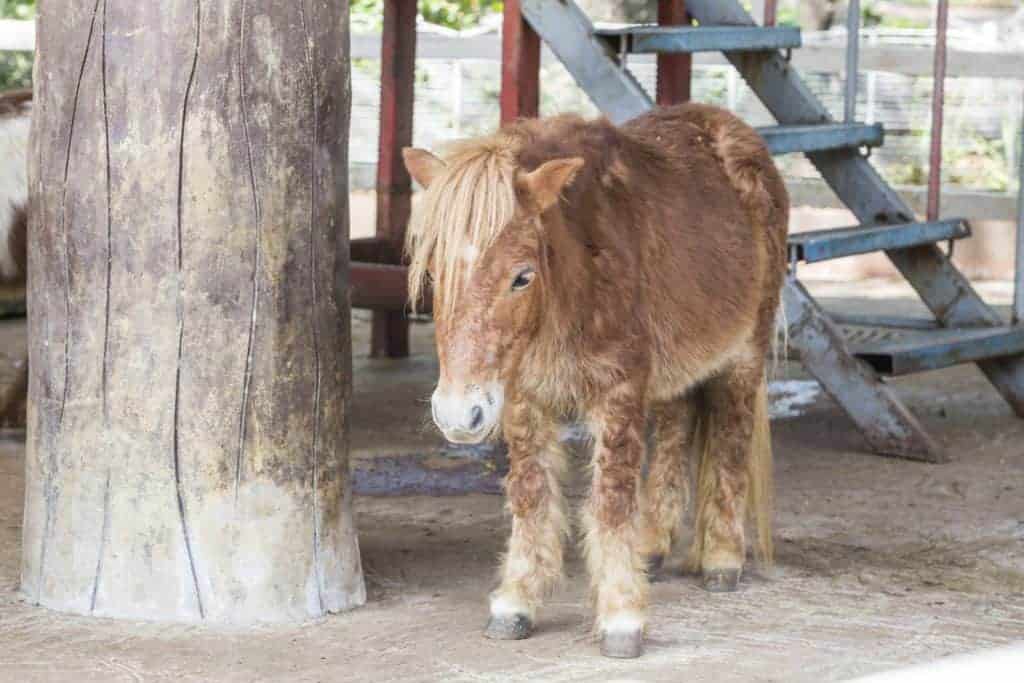
Researchers evaluated the prevalence of and risk factors for pituitary pars intermedia dysfunction (PPID).

Learn about the potential benefits of soaking your horse’s hay, methods for soaking, and what to do with the remaining liquid (hint: don’t use it to water plants) in this information packed fact sheet.

A two-tier series of tests can help equine practitioners confirm a PPID diagnosis, one veterinarian said.

Dr. Hal Schott describes some early clinical signs of PPID (pituitary pars intermedia dysfunction, or equine Cushing’s disease).