How Does Transport Impact Senior Horse Immune Function?
Decreased immune function following transport could take more than a month to return to normal, researchers found.

Decreased immune function following transport could take more than a month to return to normal, researchers found.

Join us live from the United States Pony Club 2017 Festival and learn how to take care of your experienced Pony Club mount!

Our nutrition expert, who’s also a USPC regional supervisor, shares the basic nutrition rules every Pony Clubber learns.

Regular dental checkups will protect your horse’s overall health, comfort, and well-being. Here are the basics.
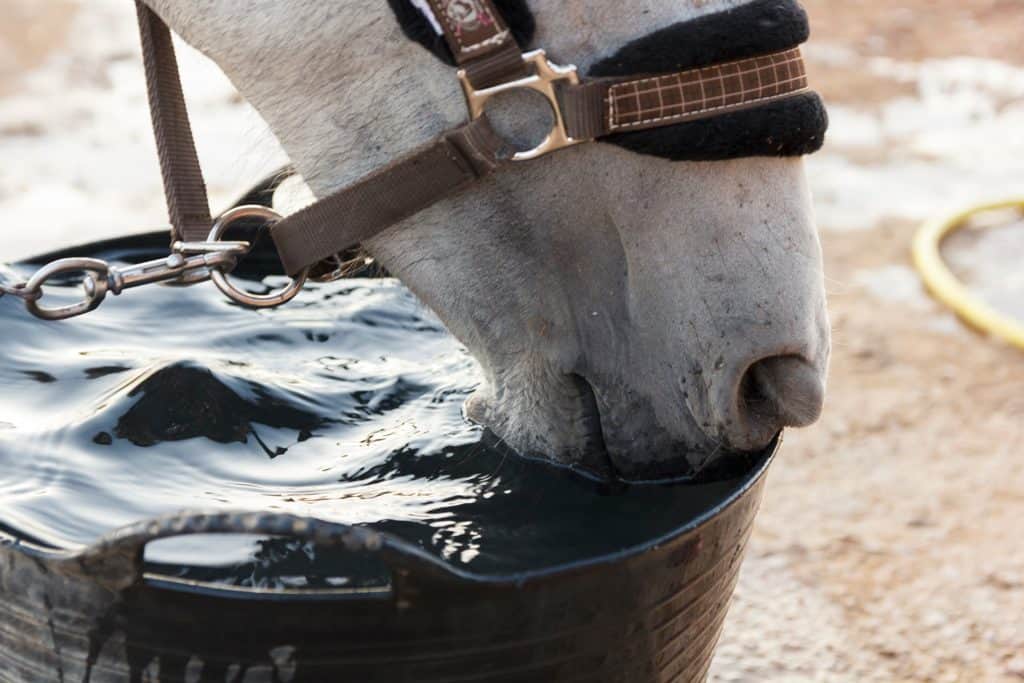
Find out why some horses won’t consume water away from home and learn how to keep him hydrated.
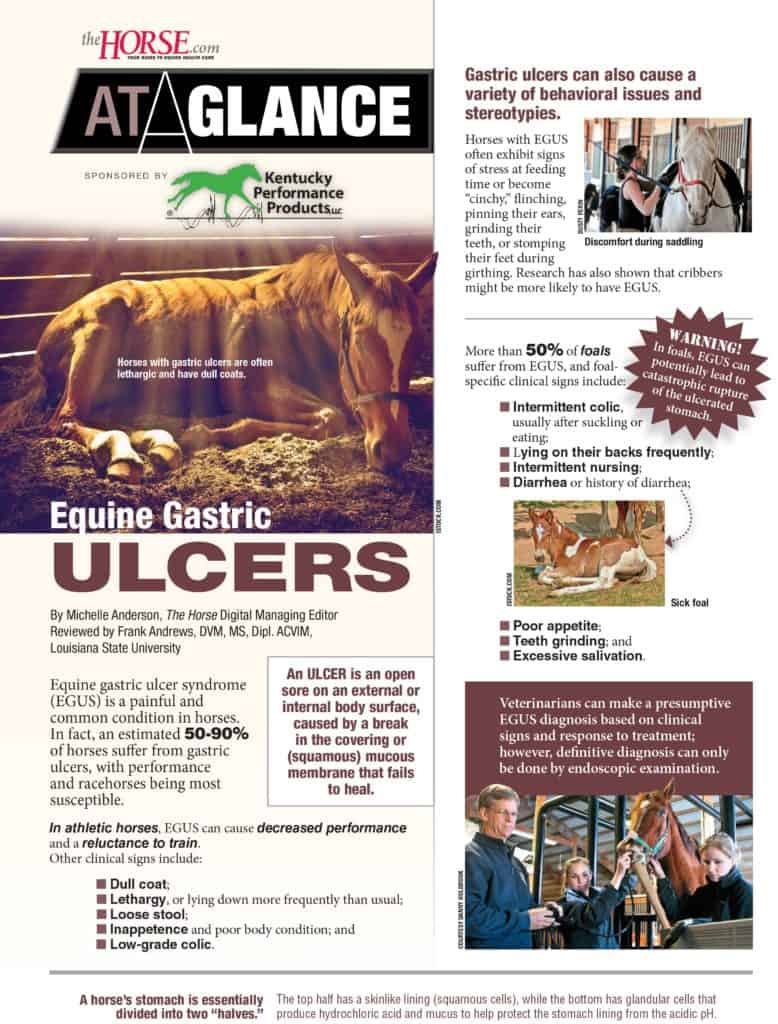
Equine gastric ulcer syndrome (EGUS) is a painful and common condition in horses. Download this free guide to learn more!

Dental pulp injections helped reduce pain and improve lameness in horses with soft tissue injuries and arthritis.


Learn the most up-to-date information about when and how to deworm your horses.
Owning horses sometimes requires making tough choices, especially as they get older.

Learn how to right a recumbent horse and what factors influence his survival.

Laminitis risk is the No. 1 reason we worry about equine metabolic conditions such as EMS and PPID when feeding horses.

Scientists theorized that hair cortisol levels could help identify early stage pituitary pars intermedia dysfunction.
The report includes figures on equid use, vaccination, equid mortality rates, EIA testing, and more.

An equine nutritionist offers tips for reducing your horse’s pasture intake with a grazing muzzle.

Researchers determined that veterinarians can manage PPID long-term without a progressive increase in pergolide dose.