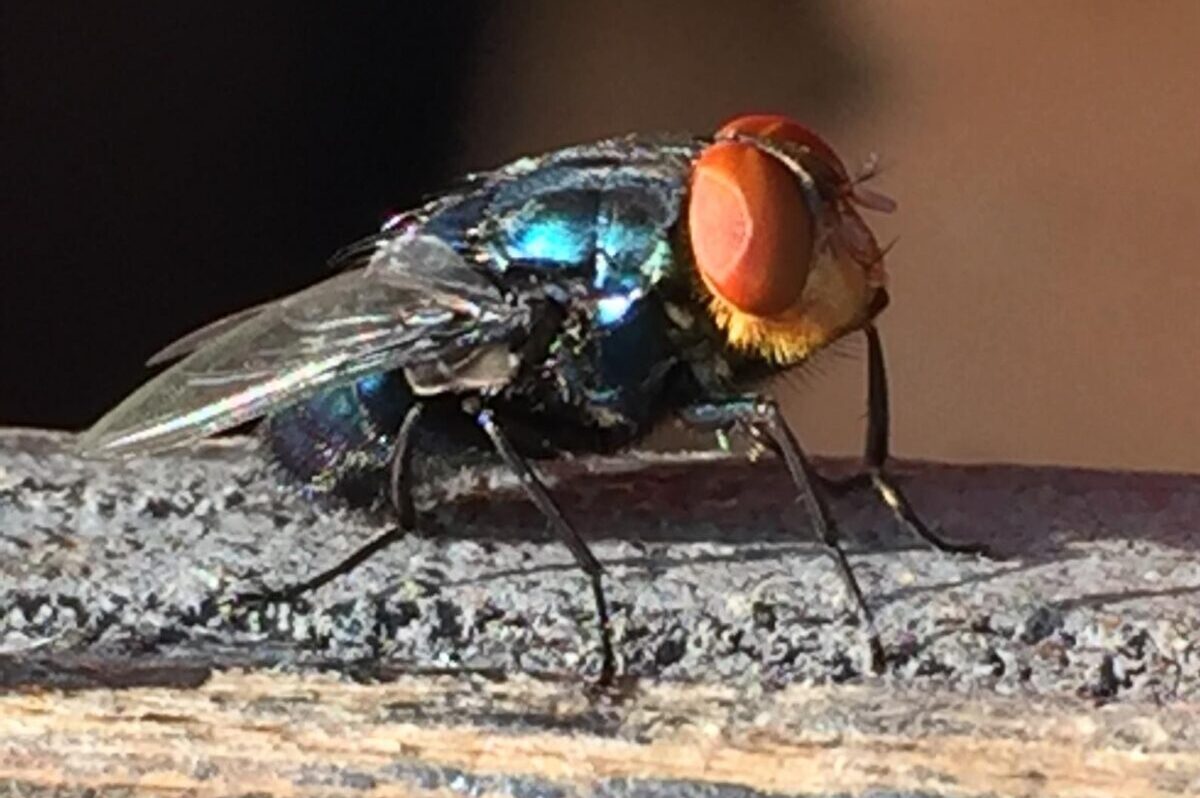
Protecting a summer sore from New World screwworm larvae starts with prompt wound care, fly control, and close monitoring because open or weeping lesions attract flies and can worsen quickly. Screwworm infestation can cause a wound to become more extensive, painful, foul-smelling, or filled with visible larvae or egg masses. If you notice any change in summer sore or other wound appearance or healing status, contact your veterinarian immediately. In this Ask TheHorse Live excerpt, Julia Miller, DVM, Dipl. ACVD, of Animal Dermatology Group, in Louisville, Kentucky, explains how horse owners can protect their animals from screwworm larvae.
This podcast is an excerpt from our Ask TheHorse Live Q&A, “Solving Common Equine Skin Problems.” Listen to the full recording here.