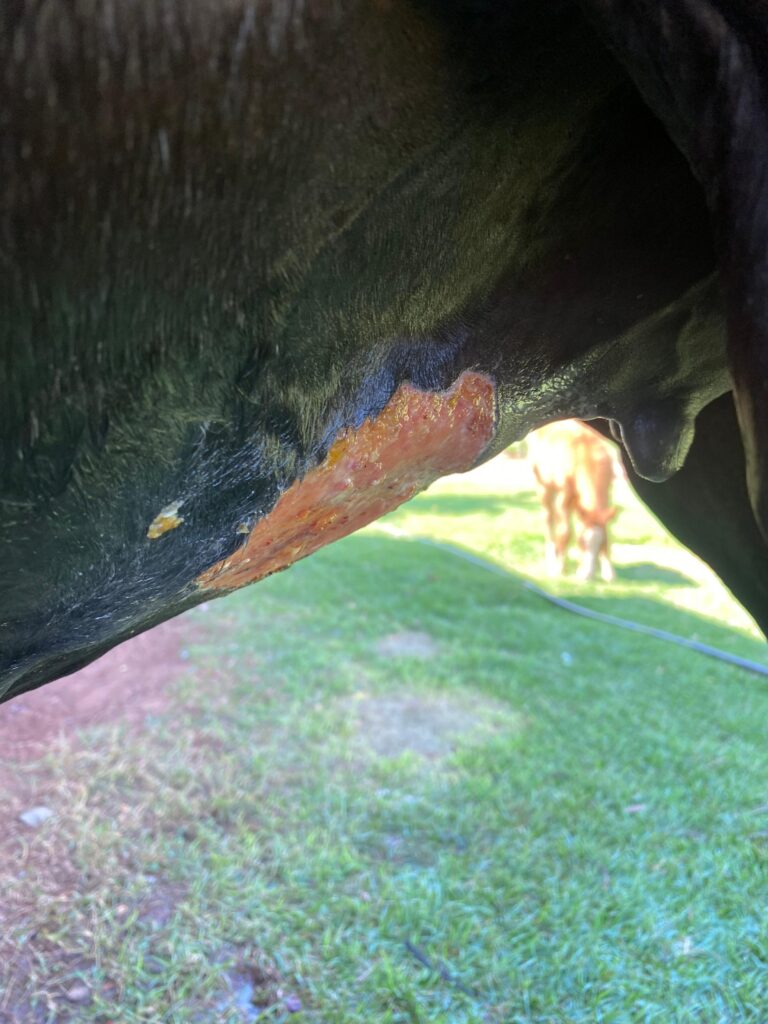
What is Equine Pythiosis?
Learn about pythiosis, a disease characterized by ulcerative, granulomatous lesions on and beneath horses’ skin.

Learn about pythiosis, a disease characterized by ulcerative, granulomatous lesions on and beneath horses’ skin.

Find out how a dermatology expert manages acute hives outbreaks in horses with and without metabolic conditions and works to identify the trigger.
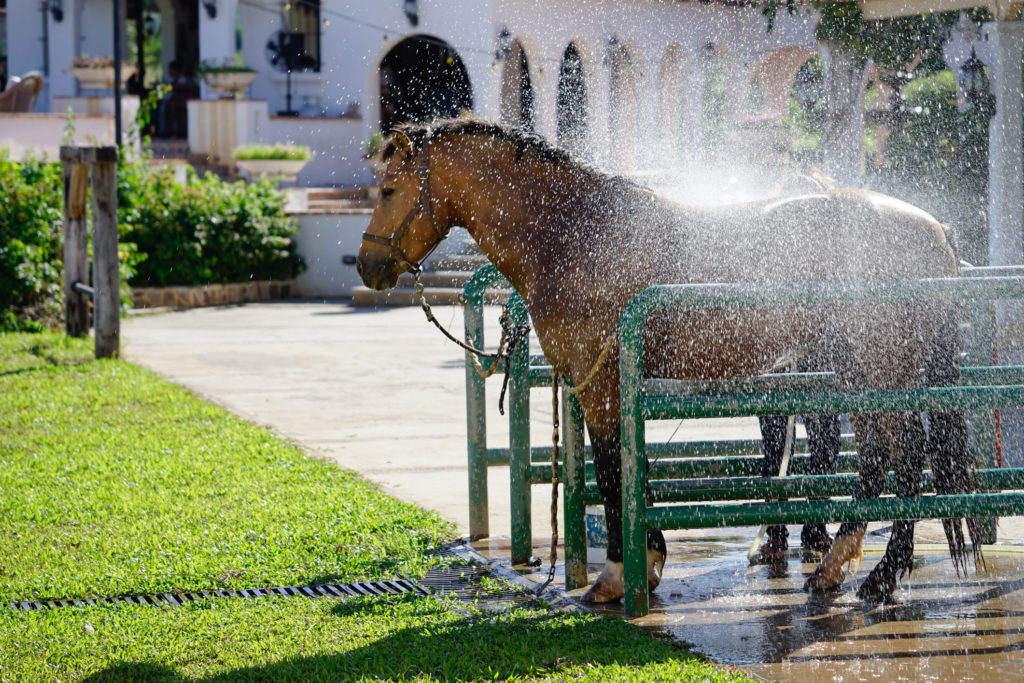
Here’s how to choose the right shampoo for your horse’s needs, including ingredients to avoid and moisturizers to look for.
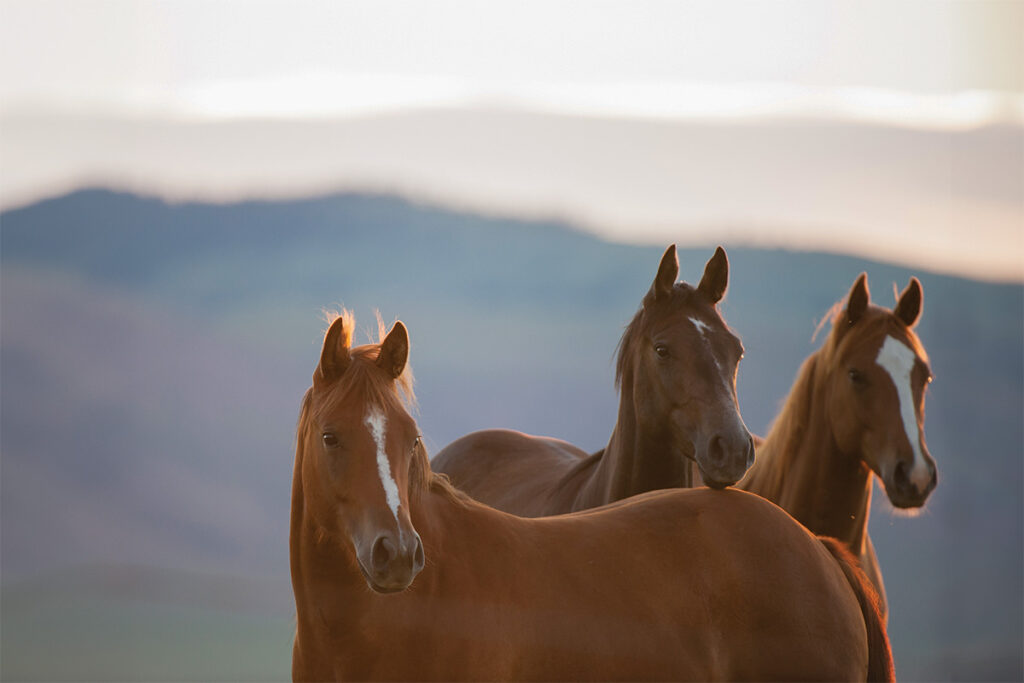
Learn about some of the rare autoimmune diseases that affect the horse’s skin, blood vessels, and the gastrointestinal tract.
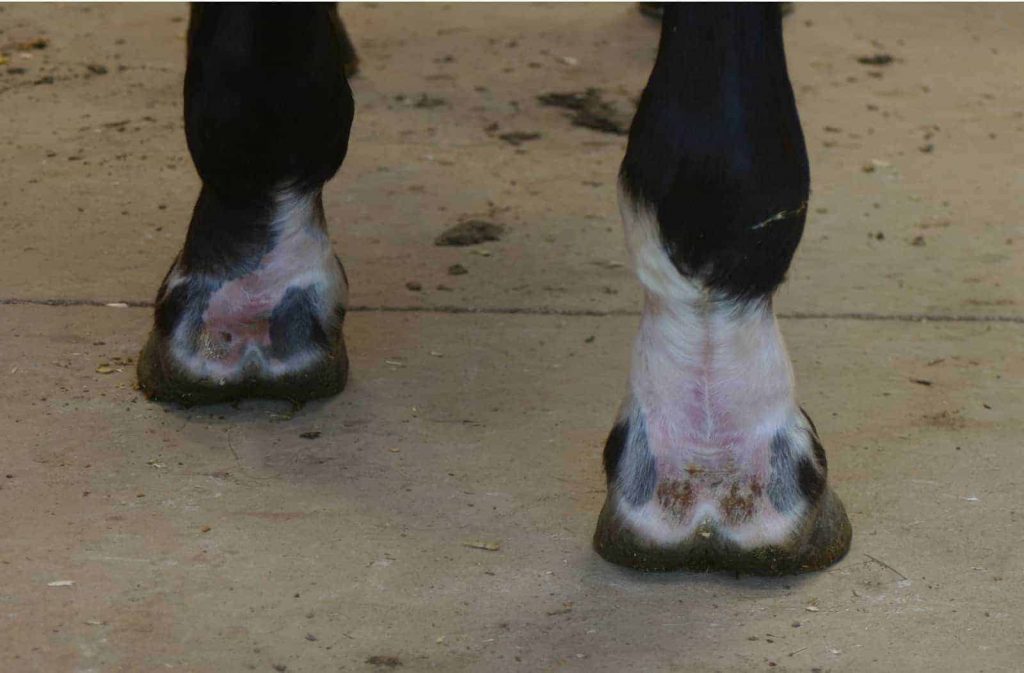
Two veterinarians discuss how they treat scratches in horses that live in hot and humid environments, from management strategies to topical treatments.

Horse hair offers insights into health, genetics, stress, and even history.
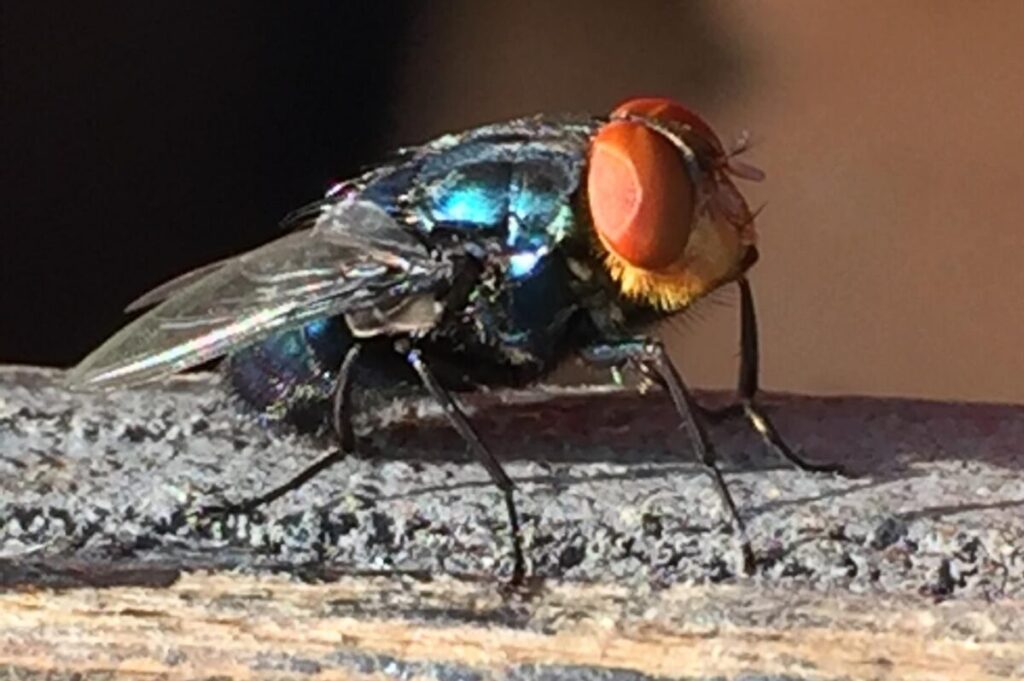
In this podcast clip a veterinarian explains how owners can protect their horses’ summer sores from New World screwworm larvae.

Summer sores can worsen rapidly without prompt treatment. Find out how to prevent these lesions and learn about methods veterinarians use to address them.

Learn how to recognize summer sores in horses and what your veterinarian might do to make a definitive diagnosis.

Two veterinarians answer your questions about equine skin problems during this Ask TheHorse podcast episode. Sponsored by Creative Science.

An equine nutritionist answers a reader question about how her horse’s diet might play a role in his poor coat quality and hair loss.

Find out what commonly applied practices horse owners and caretakers tend to overdo.
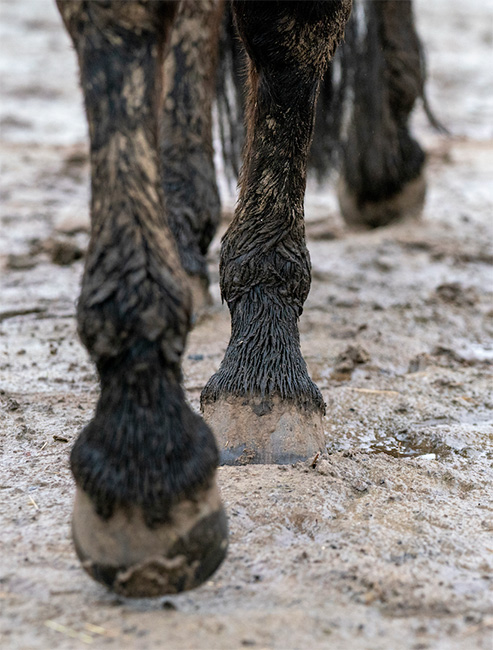
An essential part of any grooming routine is staying alert to conditions that can compromise dermatological health.

Do you have a horse with flaky skin and a dry mane and tail? The right feed might help.

Are you and your horse ready for spring? Check off all the items on this list to prepare for a healthy, successful riding season.

Find out how your horse’s diet could support shedding and his incoming summer coat.