Team Race Assured Finishes Fourth in Finals Competition
The Race Assured team presented a blood test which could predict injuries in horses well before serious problems occur.

The Race Assured team presented a blood test which could predict injuries in horses well before serious problems occur.

Learn about this frustrating contagious equine skin disease and how to prevent its spread.

Horses with chronic laminitis should be closely monitored during treatment and recovery. Here’s what to consider.

The affected horse from Horry County has been euthanized.

PET reveals activity at the molecular level and detects changes in tissue before the size or shape is modified.

Researchers recently described a novel and still experimental procedure designed to treat PPID with positive results.

Officials advise owners to ensure horses are protected from West Nile virus and Eastern equine encephalitis.
Clinicians are evaluating a new investigational drug for treating equine gastric ulcers.
Lecture topics include weed identification, pasture management; deworming, composting, vaccination programs, and more.
The British Equine Veterinary Association was the only organization from the veterinary profession to be recognized.

The team confirmed that EMS horses aren’t always fat, but that obesity can point to an underlying metabolic condition.

The Hendra virus vaccine has now been approved to be delivered annually following initial administration.

Does feeding treats help with learning or create cookie monsters? Find out from an equine behavior expert!
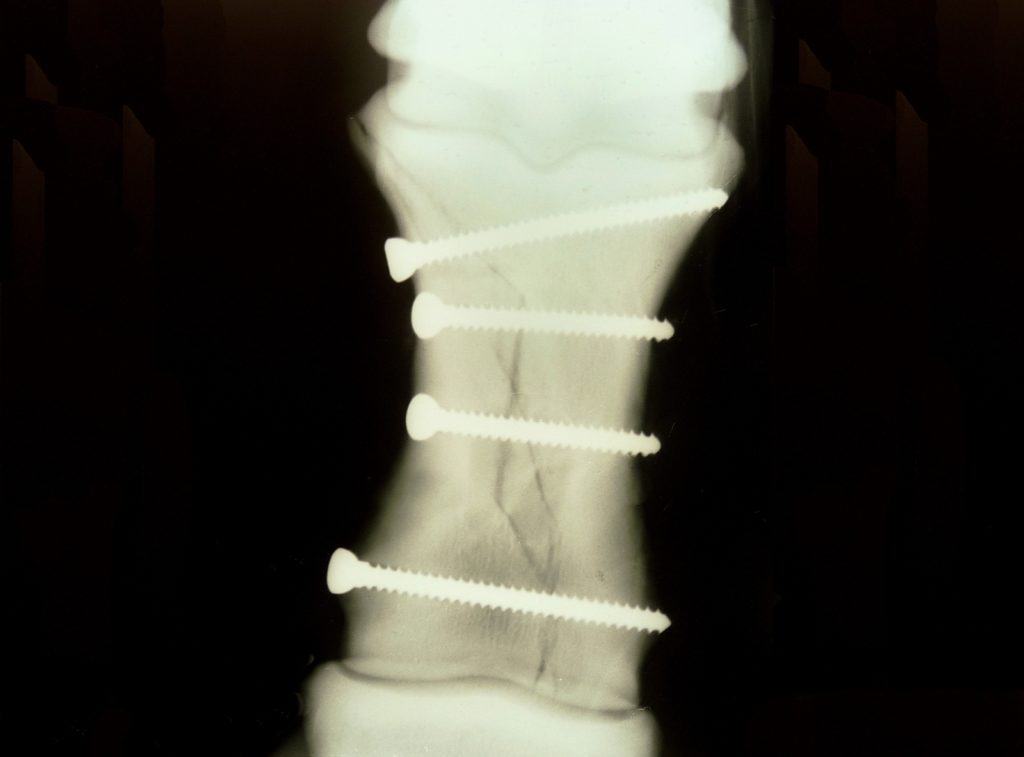
Technological advances and improved surgical procedures mean horses have a better chance of surviving a fracture.
An equine behaviorist weighs in on “flooding” in horse training and offers a less stressful alternative.

Scientists found a gene that could identify superior tractability, or how easily a horse can be trained or controlled.