WNV, EEE Identified in Massachusetts Horses
Both West Nile virus (WNV) and Eastern equine encephalitis (EEE) have been identified in Massachusetts horses.

Both West Nile virus (WNV) and Eastern equine encephalitis (EEE) have been identified in Massachusetts horses.
Presenters discussed joint radiographs, endoscopic exams, and changes in sales conditions during the lecture.
Neither horse–a 6-year-old Palomino gelding and a 3-year-old Quarter Horse gelding–was vaccinated.
The affected horse was identified in Klamath County, Ore. It is the state’s first equine WNV case of 2012.
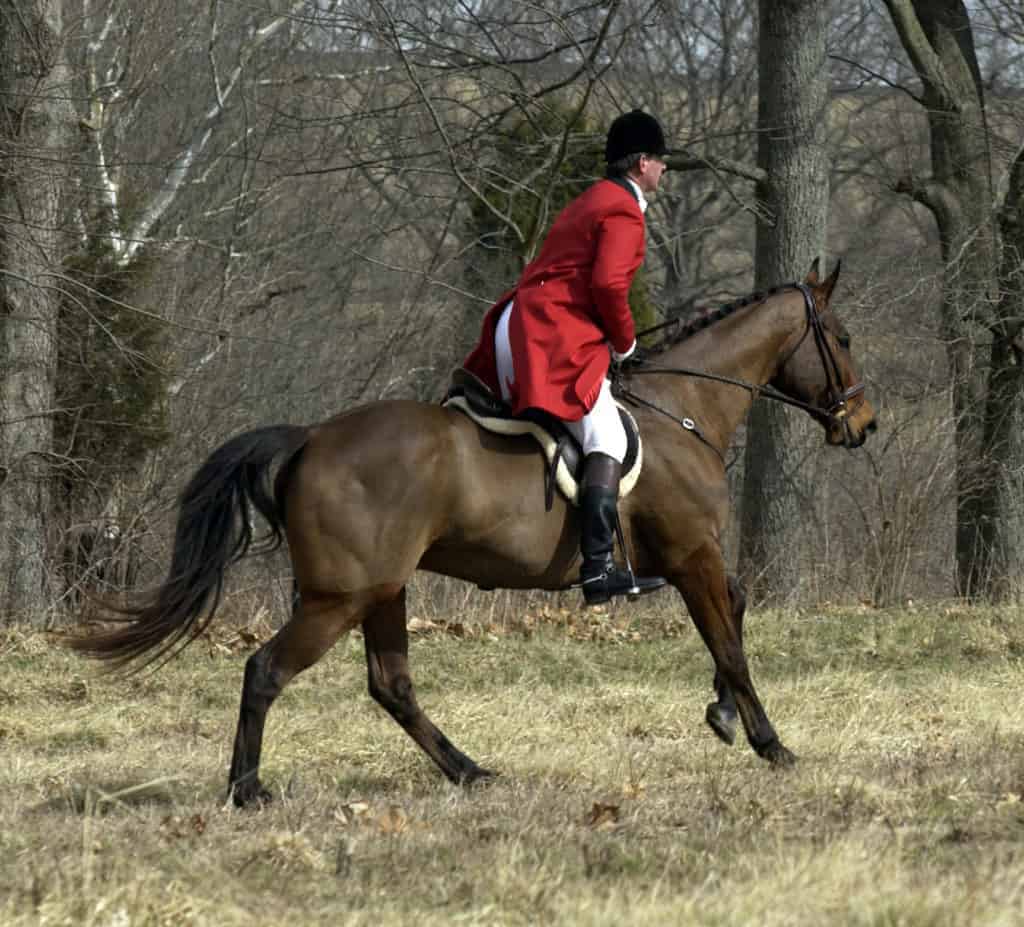
Clipped horses achieved faster post-exercise recovery than unclipped horses when working in cold temperatures.
Neither horse was vaccinated against the disease, and both were euthanized due to disease progression.
While fall armyworm is a pest of cattle and horse pastures, it should not affect horses.
Furosemide will be the only medication permitted on race day in Kentucky effective Sept. 4.
Five cases have been confirmed in Kentucky and six have been confirmed in California.
The horses, both from northern Wisconsin, were confirmed positive via blood tests on Aug. 21.

Numerous factors go into selecting the appropriate surgical procedure to treat equine roaring.
The colt was diagnosed with a peripheral nerve injury that caused atrophy in his left infraspinatus muscle.
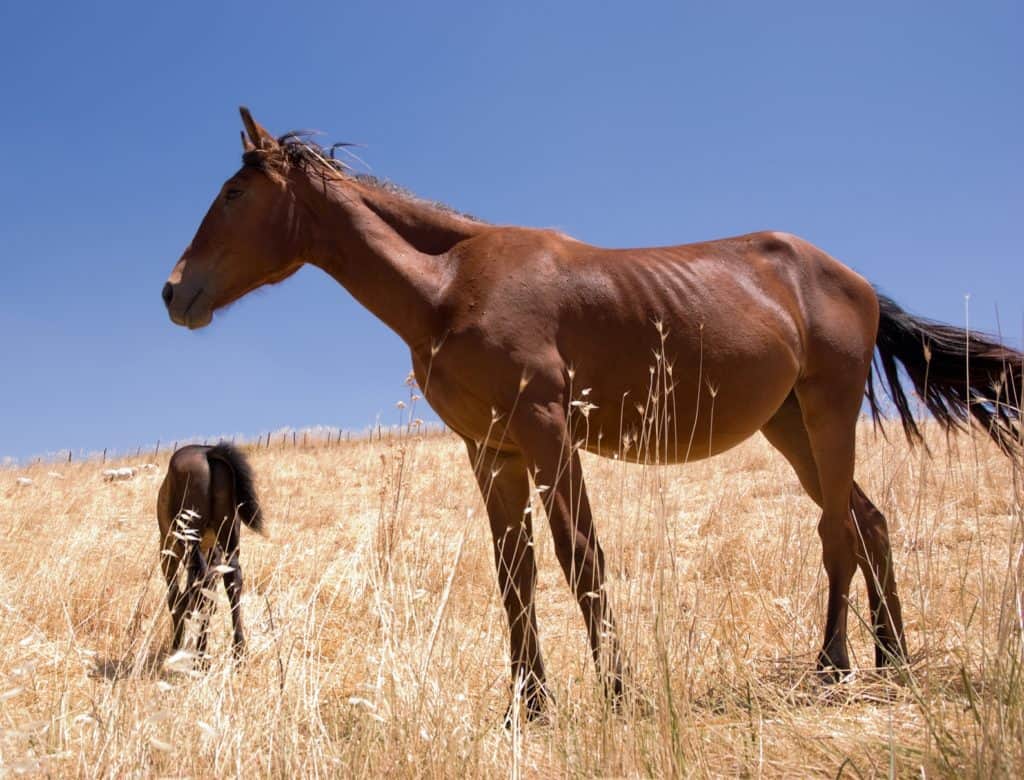
UC Davis researchers found that high-quality alfalfa hay is most effective for rehabilitating a starved horse.
The Arabian colt from Scott County received a vaccination in March, but did not receive a follow-up booster.
Join TheHorse.com on Thursday, Aug. 30, at 8 p.m. EDT for a FREE Ask the Vet Live audio and chat event.
The grants will be used to aid the program’s efforts to rehab, retrain, and rehome retired racehorses.