Researchers Test Equine Muscle Fatigue Sensor
Researchers tested electromyography for identifying equine muscle fatigue during exercise.

Researchers tested electromyography for identifying equine muscle fatigue during exercise.
The three-part series will cover routine veterinary, farriery, and dental care.
A biosecurity plan is essential to minimizing the risk of horse pests and diseases, including hendra virus.
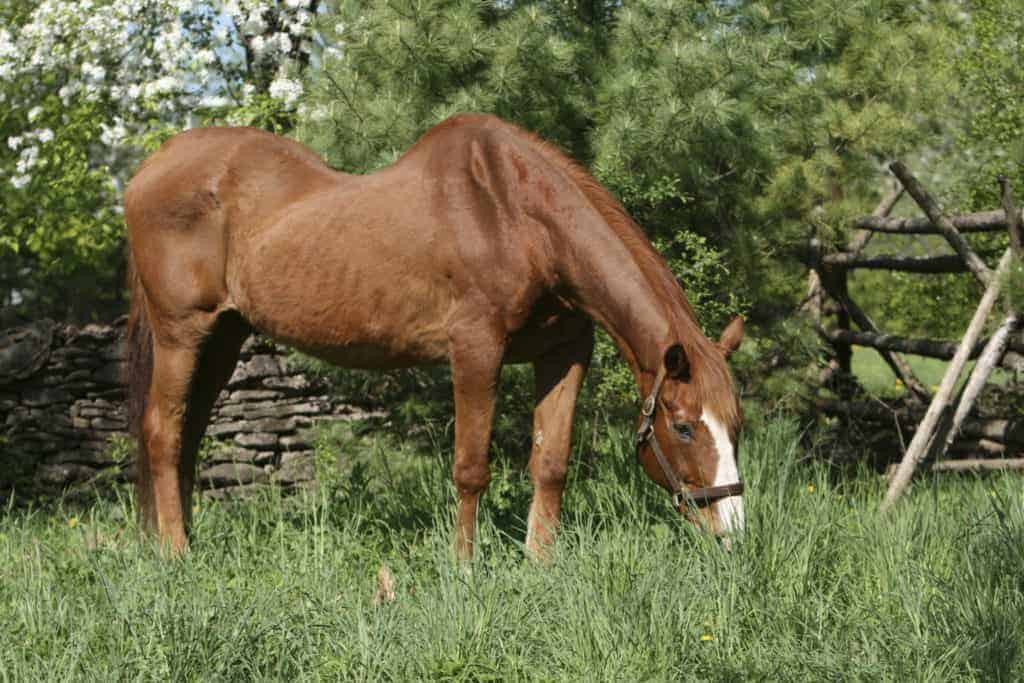
Zoledronate appears effective in improving clinical signs associated with bone fragility disorder.

Nearly 50% of high-performance barrel racers evaluated showed radiographic changes in their fetlock joints.
Two horses from Johnson County, Iowa, have tested positive for West Nile virus.
The treatment and drug records of horses running in the Travers Stakes will be updated daily online.

Sometimes you know it’s time: When an older horse in less-than-ideal health suffers a serious bout of colic, euthanasia might be the best option. But what about when it’s not so clear-cut–when continued medical treatment and careful management are options, but the animal’s quality of life could go downhill very quickly.

Researchers found that performing for an audience did not affect horses’ stress levels compared to training.
The commission plans to hold a fact-finding meeting on use of race-day furosemide day, officials said Aug. 4.
The 11-year-old Arabian gelding finished the 100-mile ride in fourth place.
The 3-year-old unvaccinated filly from Fresno County is recovering, the CDFA said.

Exercising the multifidus muscles in addition to daily training could reduce equine back pain.
The Unwanted Horse Coalition’s Operation Gelding program has aided in the gelding of 489 stallions to date.
Equine Guelph is seeking horse owner participation in a survey about colic management practices.

Study shows this treatment for mild osteoarthritis has longer lasting effects than previously thought.