Granulation Tissue Management in the Horse (AAEP 2011)
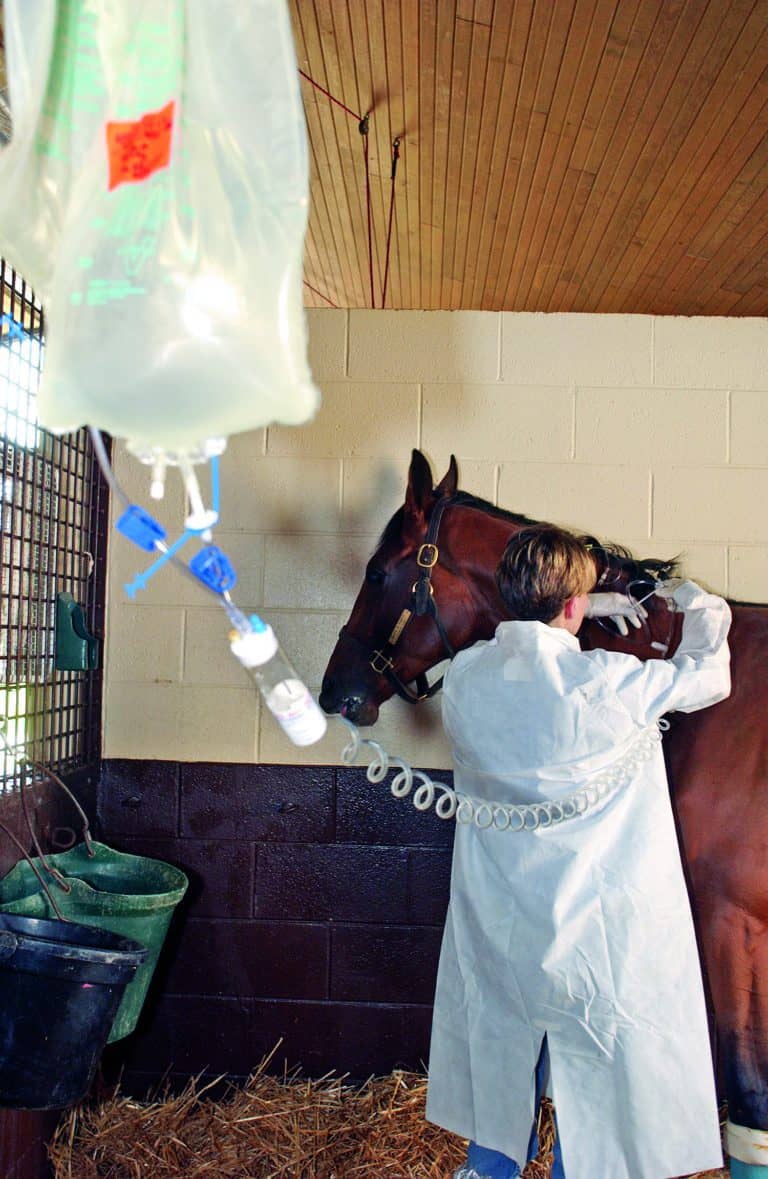
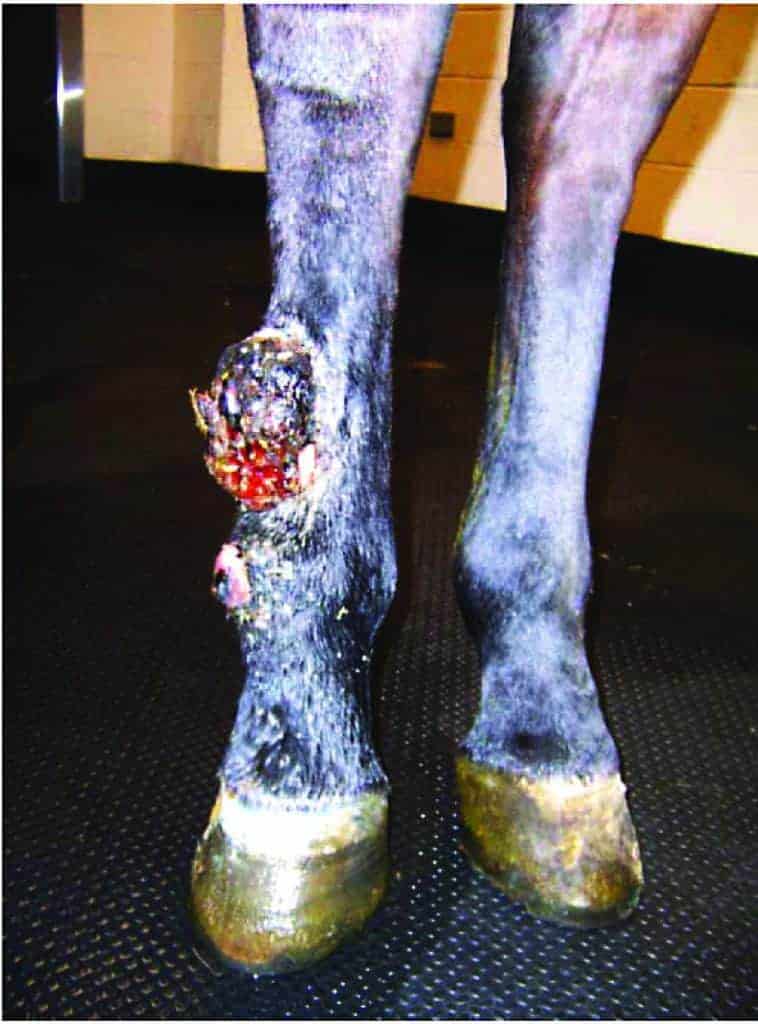
Equine wounds need to be managed carefully to prevent the development of exuberant granulation tissue.

Equine wounds need to be managed carefully to prevent the development of exuberant granulation tissue.
In the wake of a March 25 New York Times report, Udall renewed his call for safety and integrity regulation.
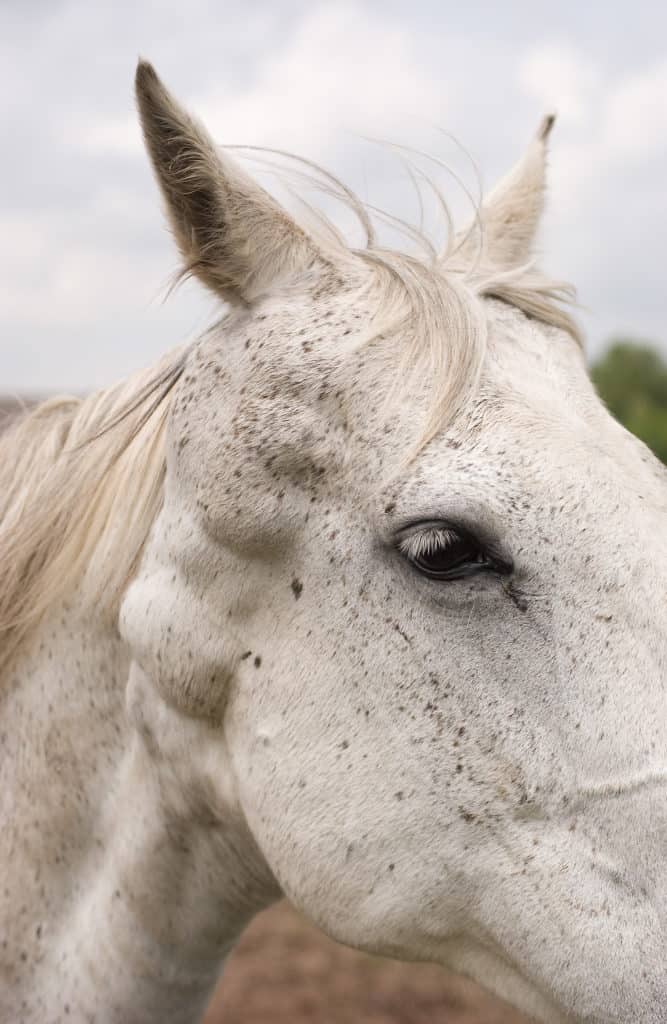
Researchers are testing a ‘cancer vaccine’ to determine if it might be a viable equine treatment option.
Perform basic, yet essential, maintenance on horse trailers to ensure horse and human safety.
McConnell is not allowed to train client horses while awaiting his trial for alleged HPA violations.

Horse owners benefit from an understanding what goes on in a horse’s brain, according to one veterinarian.
Zenyatta, 2010 Horse of the Year, will be bred this year to Gainesway Farm stallion Tapit for a 2013 foal.

Complicated and emerging equine skin disorders do exist, but they are rare, according to one researcher.

Even when NSAIDs are used appropriately, the drugs can still prove damaging to the patient.
A public open house is scheduled for April 28, from noon to 3 p.m. at the equine rehabilitation center.
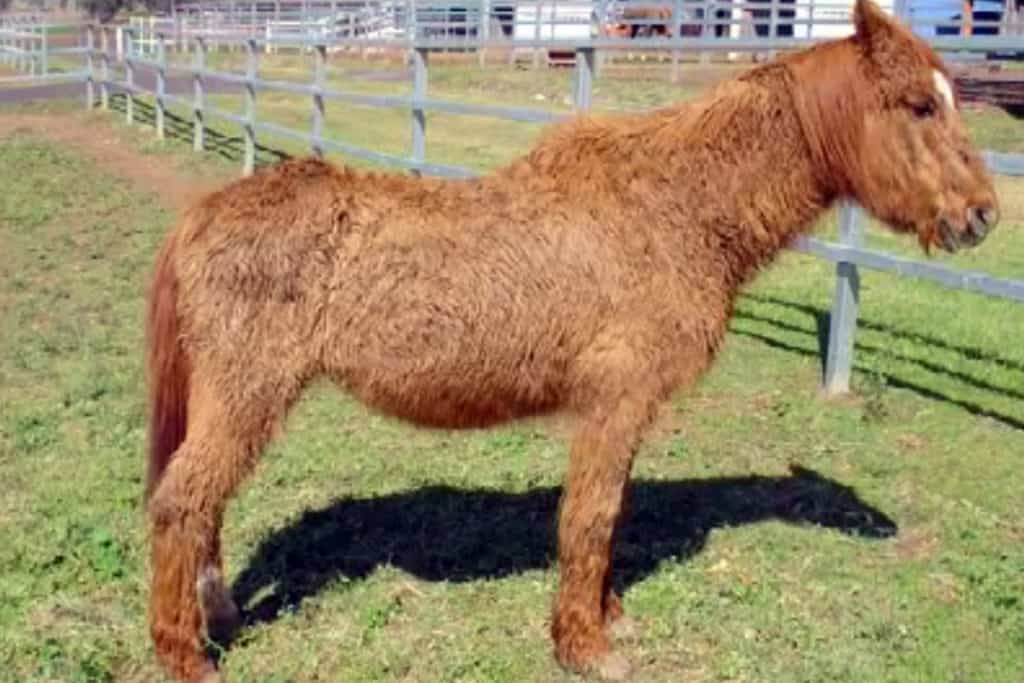
A new FDA-approved Pergolide product offers options in the management of clinical signs associated with pituitary pars intermedia dysfunction (PPID), also known as equine Cushing’s disease.

The new test correlated well with the conventional insulin-sensitivity test and it was repeatable.
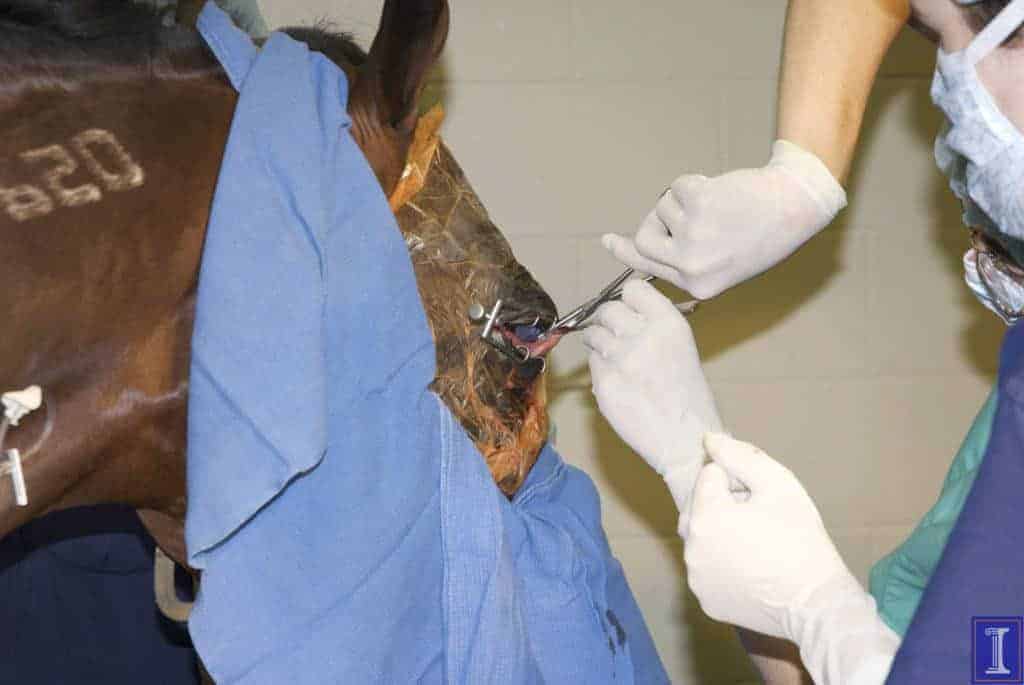
Removal of the equine third eye lid using sedation and local anesthesia appears to be safe and effective.

Why do some horses seem predisposed to experiencing colic episodes? And, if your horse has colicked in the past, what can you do to help prevent it from happening again?
Ask the Vet LIVE Podcast recording for post-colic care is now archived.
On April 3, New Bolton Center will present “It’s 10 p.m. and My Horse Isn’t Right: When is it an Emergency?”