Lawsonia Intracellularis Study: Thoroughbred Farm Participation Needed

The University of Kentucky’s Gluck Equine Research Center needs Lexington-area Thoroughbred farms to participate in a study to determine Thoroughbred weanlings’ seroprevalence (presence of positive serum antibodies) to Lawsonia intracellularis, the causative agent of equine proliferative enteropathy (EPE).

Read More

Lyme Disease in Horses: Facts and Fallacies

Lyme disease is caused by a spiral-shaped bacterium called Borrelia burgdorferi that is spread to some mammals via the bite of specific hard-bodied ticks. Also known as borreliosis, it is widely considered the most important insect-borne bacterial infection in North America. But it is unknown whether ticks transmit the bacterium to horses and cause disease or because the two coexist.

Read More

Equine Influenza Vaccine Efficacy in Older Horses

We’ve all heard the statistics about an aging America. The elderly represent the fastest growing-proportion of the U.S. population. In recent years horses have experienced a similar population shift.

A large portion of the equine population (about 15%) is composed of horses older than 20 and, even at this age, many remain actively involved in equestrian sports, reproduction, or as companion

Read More

Managing Joint Disease in the Sport Horse

It has been suggested that 60% of equine lameness problems are related to osteoarthritis, which stresses the importance of advancements of both medical & surgical treatment options.

Read More

Deworming Your Horse: Take 2

Discussion of the changing recommendations for horse deworming strategies (focusing on strongyles) and how you can help prevent resistance to dewormers.

Read More

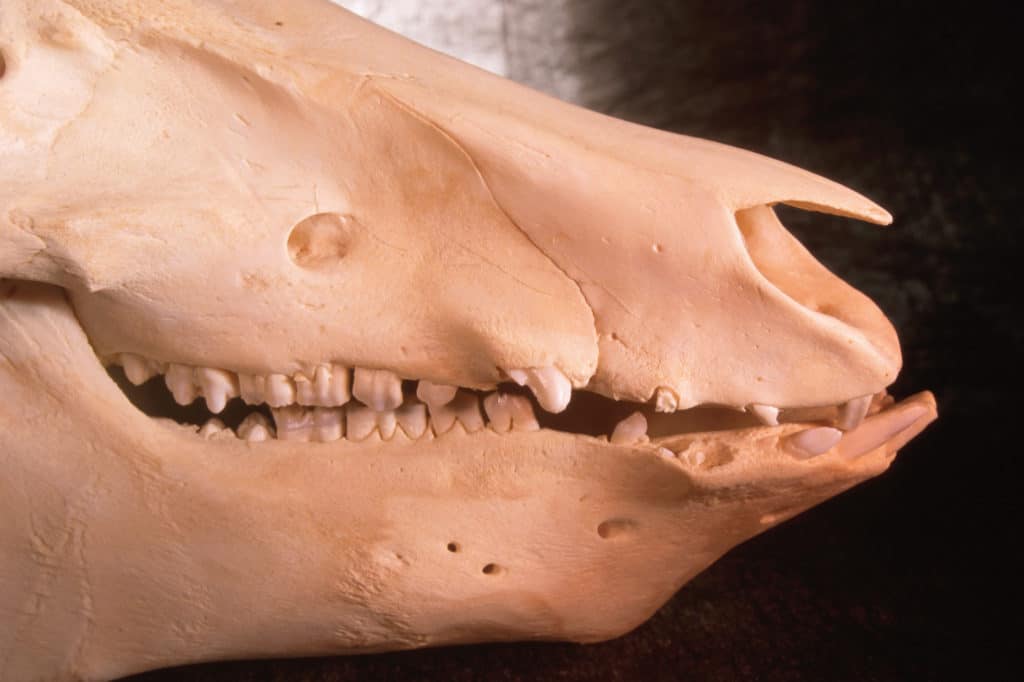
Horse Cribbing and Dentistry

Aside from routine dental conditions that occur in horses, owners might encounter a behavior that is referred to as cribbing or crib biting, which can have a negative effect on the incisor teeth.

Read More

Toxin Topic: Adverse Drug Effects

Therapeutic drugs such as antibiotics, anti-inflammatory and pain relief medications, anesthetics, and antiparasitic drugs can dramatically improve the health and well-being of horses. However, many horse owners are unaware that virtually all drugs can cause unintended side effects, or adverse effects, that sometimes can be serious.

Read More

Cloning Horses and Other Equids

Cloning is defined as the process of creating a genetically identical copy of another cell or organism (i.e., bacteria, plant or animal) through non-sexual means.

Read More

Equine Upper Airway

Understand the structure and function of the equine upper respiratory system to understand horses’ breathing.

Read More

Pain Management

In veterinary medicine, particularly equine practice, the recognition, classification, management, and overall importance of pain and pain management have only recently been described.

Read More

More From The Horse

060_thehorse-vet_2025
Horse Eating Hay
knee flexion, lameness exam
Mückenplage auf der Pferdeweide

Stay on top of the most recent Horse Health news with

FREE weekly newsletters from TheHorse.com

Weekly Poll

sponsored by:

What is your biggest challenge when caring for horses in hot weather?
68 votes · 68 answers

Create a free account with TheHorse.com!

The Horse
Privacy Overview

This website uses cookies so that we can provide you with the best user experience possible. Cookie information is stored in your browser and performs functions such as recognising you when you return to our website and helping our team to understand which sections of the website you find most interesting and useful.