The Horse’s Digestive System

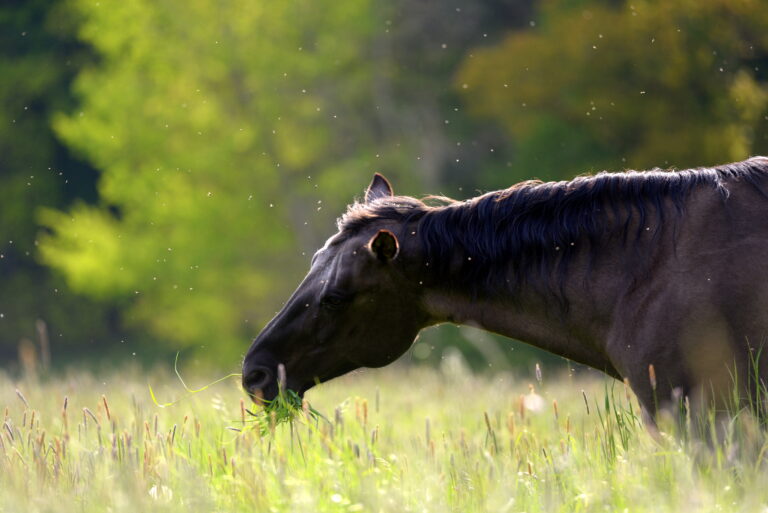
The horse’s digestive system is large, complex, and functions like a factory, yet it is exceedingly delicate. Digestive tract dysfunction in the horse is an important concern for owners and veterinarians.

Read More

Vaccinating Horses

Vaccinating horses is generally considered to be the most cost-effective method of preventing infectious diseases; however, vaccines do have limitations.

Read More

Cardiology: The Equine Heart

Cardiac disease is considered the third-most common cause of “poor performance” in athletic horses (after musculoskeletal disease and respiratory disorders).

Read More

Deworming

Deworming is an essential part of managing your horse’s overall health. This free fact sheet is a general guide to deworming your horse, including common parasites, dewormer options, parasite control via manure management, proper scheduling and more.

Read More

Planning Out Deworming Practices

After a snowy winter, temperatures in Central Kentucky are seasonably warm once again. Grass is green, birds are singing, and equine parasites are stirring back to life. This is the time of year when horse owners and farm managers become aware of worms and make plans to combat them.

Read More

Wound Care for Horses

Due to their inquisitive nature, a well-developed flight response, and that they are commonly confined in areas with potential obstacles such as metal or wire, horses tend to be accident prone, making wounds a fairly common occurrence.

Read More

Homeopathy in Equine Medicine Reviewed

A team of veterinary researchers in the United Kingdom recently reviewed the use and results of homeopathy for equine ailments including arthritis, headshaking, laminitis, and more.

“Homeopathy is a 200-year-old therapeutic meth

Read More

Horses with Pica Lack Trace Elements, Researchers Report

A recent study found that horses with pica–a propensity for consuming non-food items–have lower iron and copper blood levels than horses who restricted themselves to food items, only. According to researchers from Turkey, “prophylactic u

Read More

Few Horse Owners Involve Vet in Parasite Control

Vaccination and deworming are an integral part of horse health care routines, according to respondents of a recent survey, but only a fraction of owners consult their veterinarians when it comes to parasite control.

The findings are

Read More

Drug Testing: New Test Recognizes Sample Contamination

Equine forensic scientists from Pennsylvania have developed a novel assay for equine blood and urine samples to identify racehorses and ensure that the samples destined for drug testing were handled appropriately.

Blood and urine sam

Read More

Establishing a Horse Business (Book Excerpt)

Owning horses can be a serious business for some people or a pleasant hobby for others. There is no legal requirement that a horse operation must be classified as a “business,” but if you plan to operate a commercial boarding stable,

Read More

More From The Horse

electrolytes for horses; Why Do Electrolytes Encourage Horses to Drink?
spring pasture, turnout tips, horse turn out, horse in pasture, grazing, spring, spring turnout
Horses in their stable
What's New With Weaning?

Stay on top of the most recent Horse Health news with

FREE weekly newsletters from TheHorse.com

Weekly Poll

sponsored by:

How often do you apply fly spray to your horse during peak fly season?
171 votes · 171 answers

Create a free account with TheHorse.com!

The Horse
Privacy Overview

This website uses cookies so that we can provide you with the best user experience possible. Cookie information is stored in your browser and performs functions such as recognising you when you return to our website and helping our team to understand which sections of the website you find most interesting and useful.