California’s 13th Equine WNV Case Confirmed
The state’s current death rate for horses with WNV is 23%.

The state’s current death rate for horses with WNV is 23%.

An equine genetics company is expanding a study about kissing spines in horses. The deadline for sending samples is Oct. 10.

King and Spokane County facilities are under voluntary quarantine.

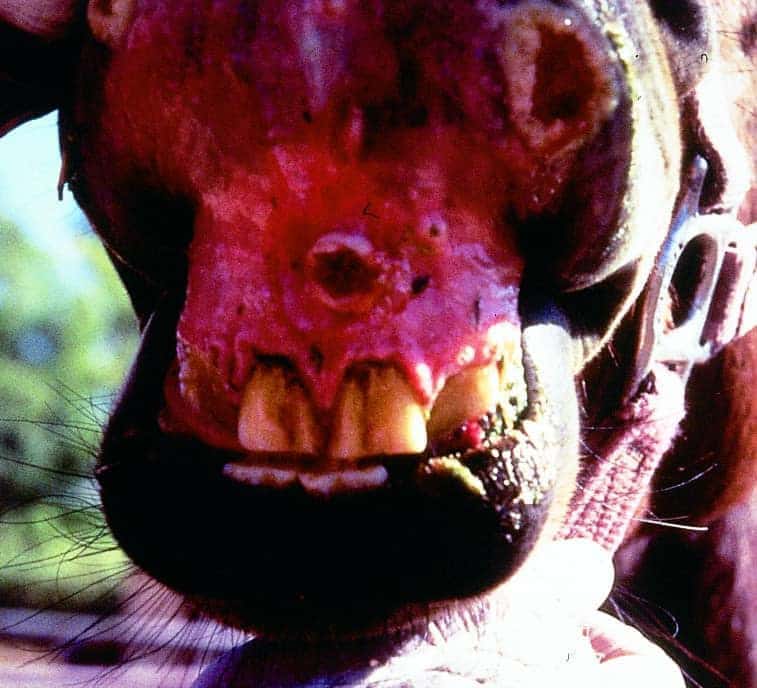
Kansas and Missouri remain the only states with VSV-quarantined premises.
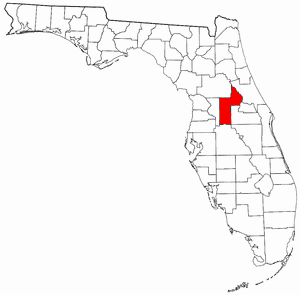

The state’s agriculture commissioner stresses the importance of owners vaccinating their horses.

Officials recommend vaccinating livestock after detecting Eastern equine encephalomyelitis in Atlantic County mosquitoes.
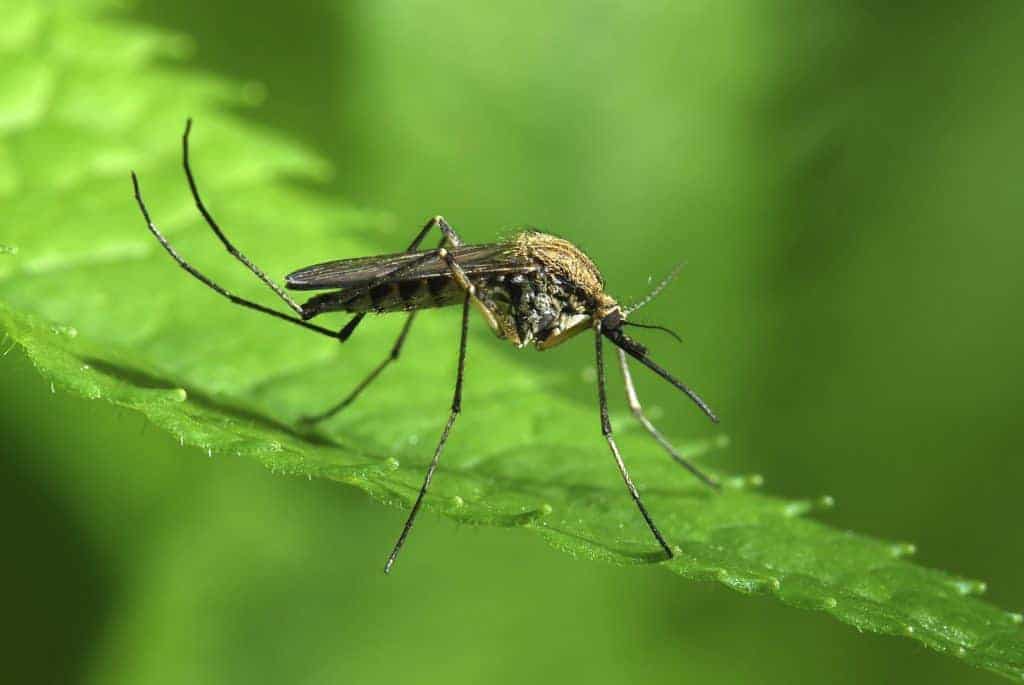
All of the horses lacked proper vaccination against the Eastern equine encephalomyelitis.
All three affected horses have been euthanized.
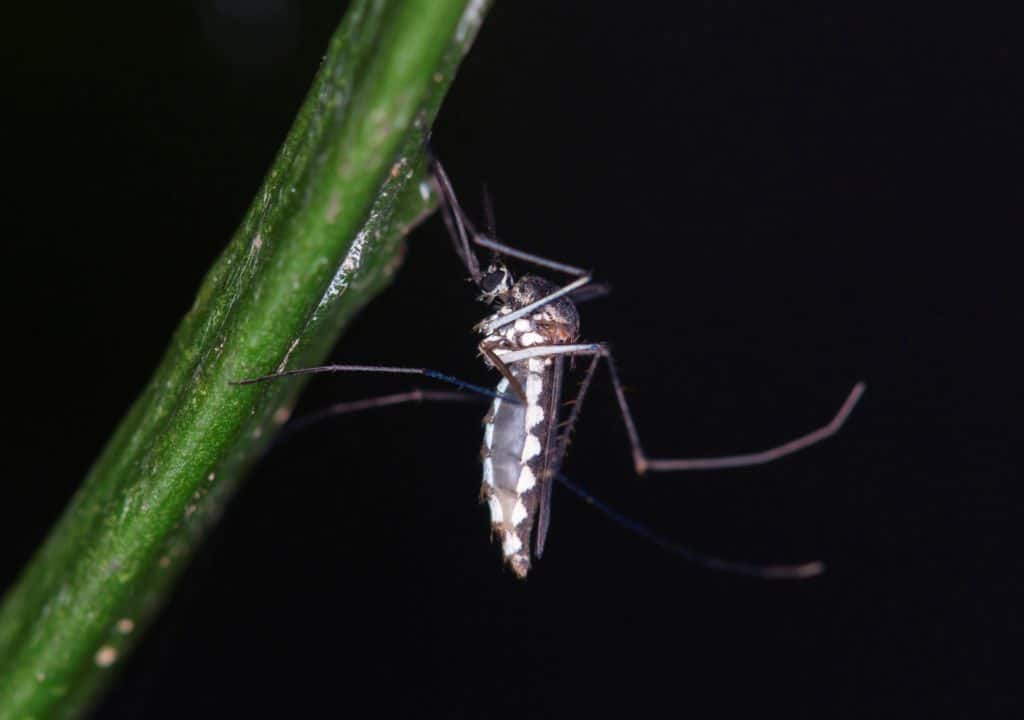
The affected horse is reported as recovering.

Kansas and Missouri are the only remaining states with VSV-quarantined premises.
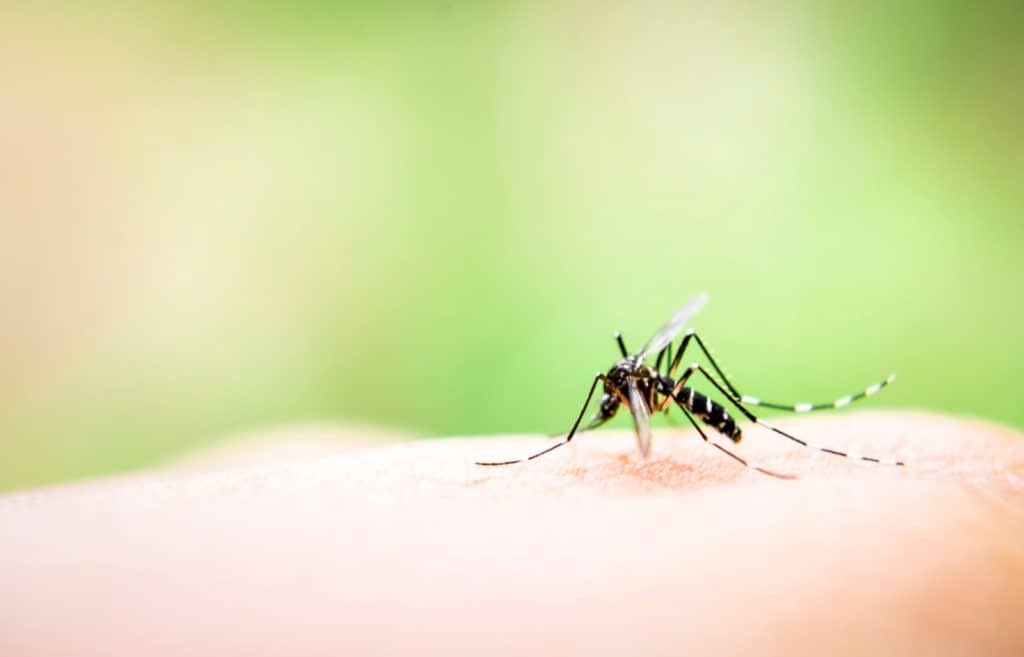
Seven of the state’s 11 equine West Nile virus cases in 2020 have occurred in unvaccinated horses.

Readers submitted photos showing how they haven’t let 2020 or the COVID-19 pandemic get in the way of quality time spent with their horses.

Health departments in multiple Virginia and Maryland counties are tracing humans and horses that were potentially exposed.

The state’s tally of equines confirmed with EEE now numbers 18.