Racehorse Breakdowns: Training vs. Racing Track Surfaces
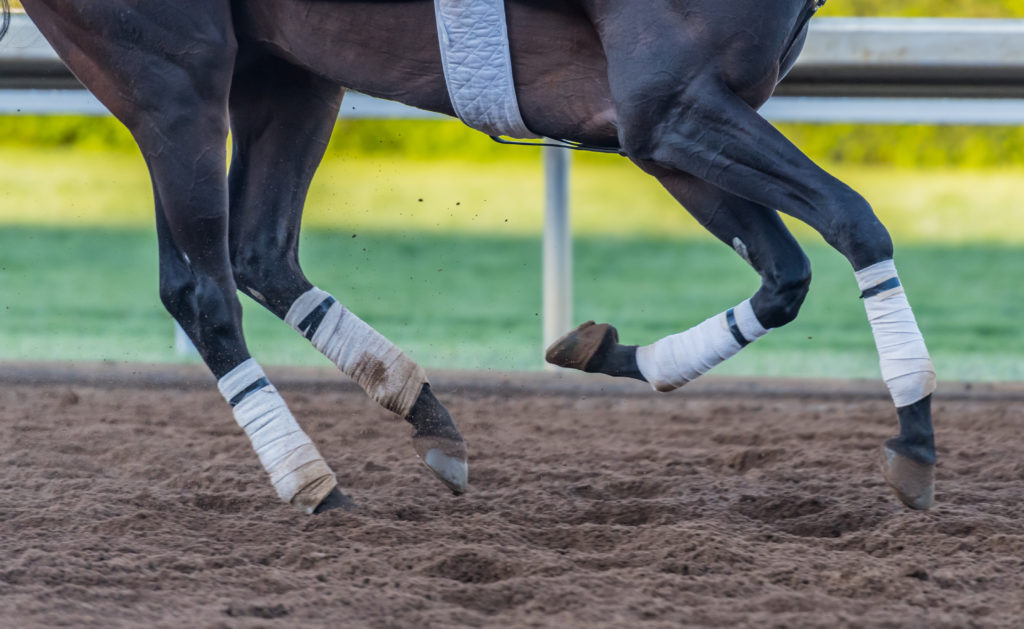
The choice of track surfaces during racehorse training could affect the chances of horses getting seriously injured on race day.

The choice of track surfaces during racehorse training could affect the chances of horses getting seriously injured on race day.

We asked Prof. Tim Parkin about the data the Equine Injury Database collects on catastrophic racing injuries and how the industry could make it even stronger and more useful.

Aging for horses means strength and flexibility diminish, as well as the body’s ability to handle infection. Still, there are steps owners can take to keep senior horses happy and healthy.

Researchers worldwide are examining ways to prevent injuries in racehorses; their findings could help prevent issues in sport horses, as well.

Veterinarians are using chiropractic techniques more frequently to evaluate and treat back disorders in horses. Here, a CSU professor and researcher outlines basic principles.

What’s the long-term prognosis for a horse diagnosed with a fractured pelvis?

Renowned veterinarians talk catastrophic injury prevention, uniform medication policies, and more in a Translational Medicine Institute video.

Horses with equine asthma are more likely to have pharyngeal abnormalities in the upper airway during exercise than their asthma-free counterparts.

Researchers say the mutation responsible for the sometimes-fatal muscle condition immune-mediated myositis (or IMM) is just as common, if not more so, than at least two other well-known genetic diseases in Quarter Horses: HERDA and HYPP.
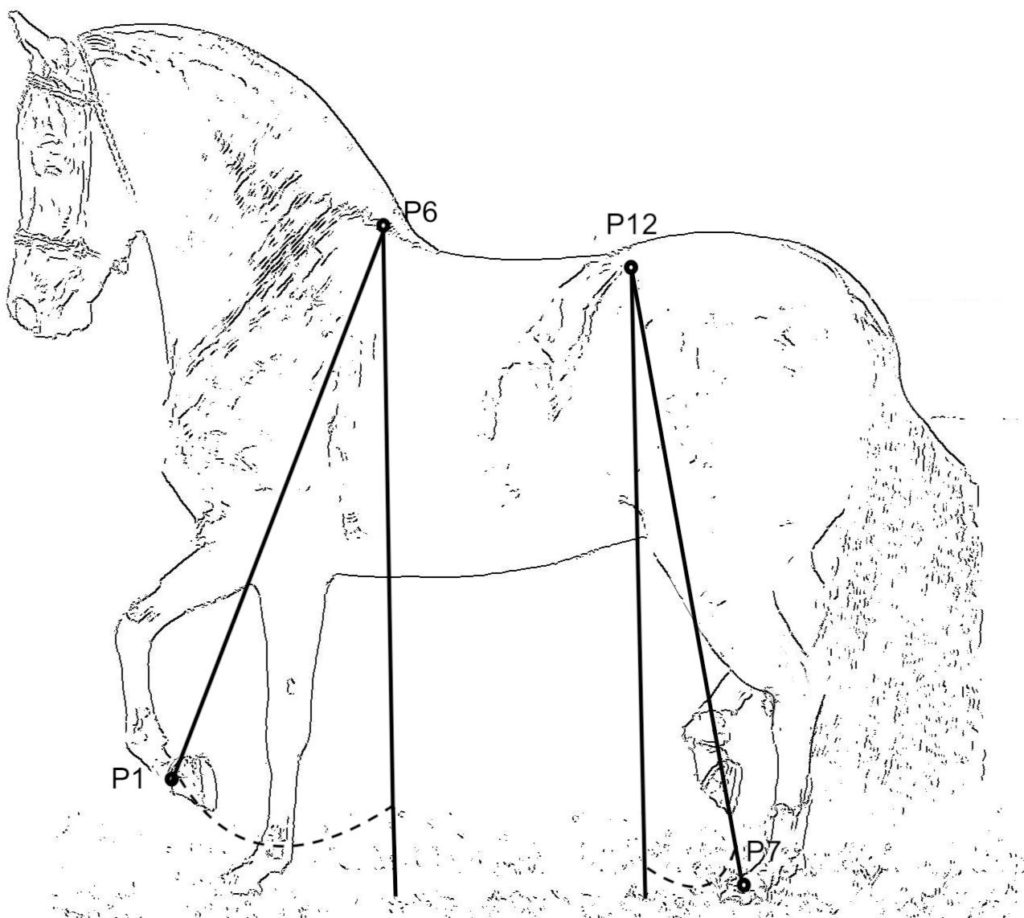
Colombian Paso Finos have a unique gait most other Paso Finos don’t: the trocha. And recent study results suggest that gait isn’t genetically similar to lateral gaits in other ambling breeds like Icelandics, Tennessee Walking Horses, and pacers.
Whatever your horse’s job, his joints keep him moving. But osteoarthritis can stop a horse in his tracks. Here’s what to know about this debilitating condition.

Scientists recently tested a noninvasive, wireless, wearable device that allows veterinarians to monitor heart function, sounds and murmurs, and more while the horse remains free to move around his normal surroundings.
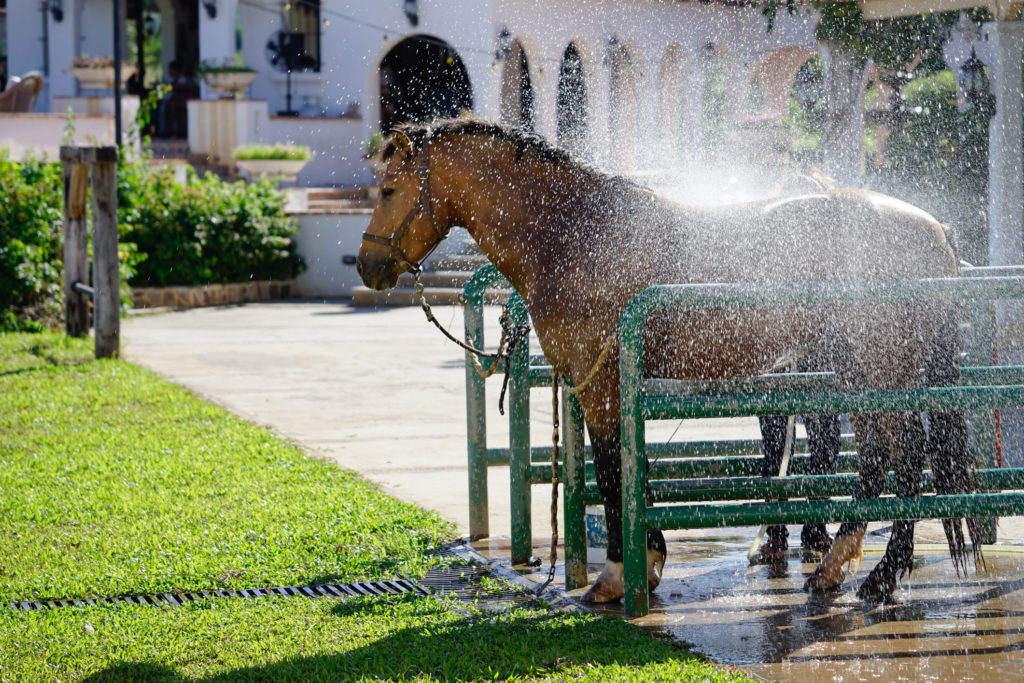
High temperatures and humidity can make caring for horses a challenging endeavor.
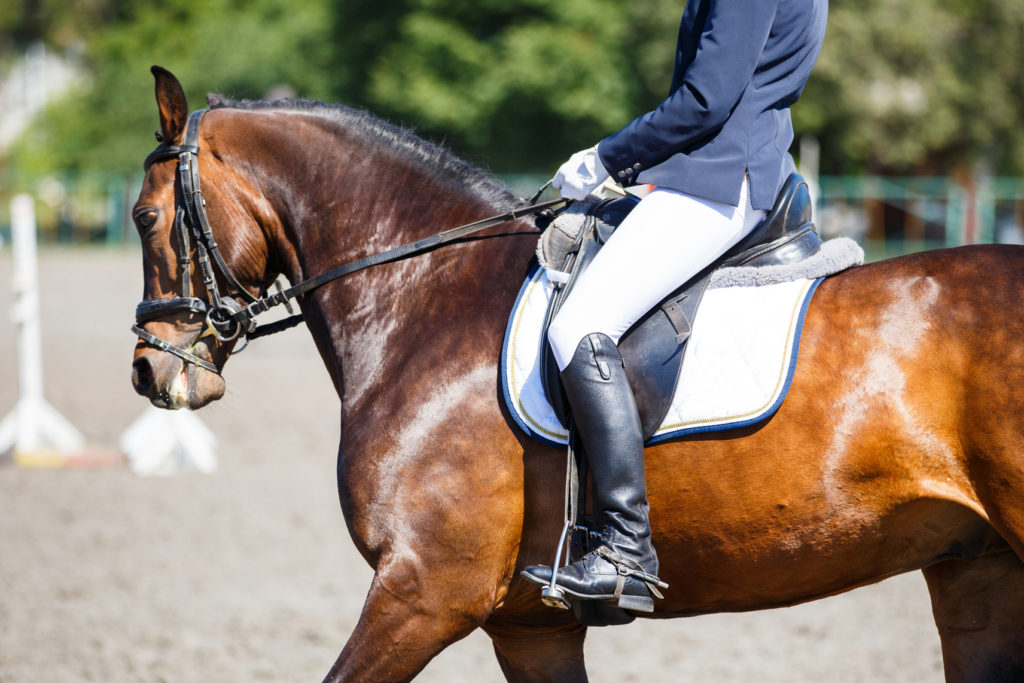
Researchers recently identified the genetics behind some equine joint angles, which, they say, can impair equine performance, health, and welfare. Here’s how.

Lemon verbena extract could help reduce cellular stress that leads to oxidative damage, which, in turn, can compromise horse health and welfare. Here’s how.

Proposals for research on how bisphosphonates impact racehorses and young racing prospects intended for sale at public auction must be submitted by Oct. 1.