Vet: Consider Lesser-Known Parasite in Neuromuscular Disease Cases
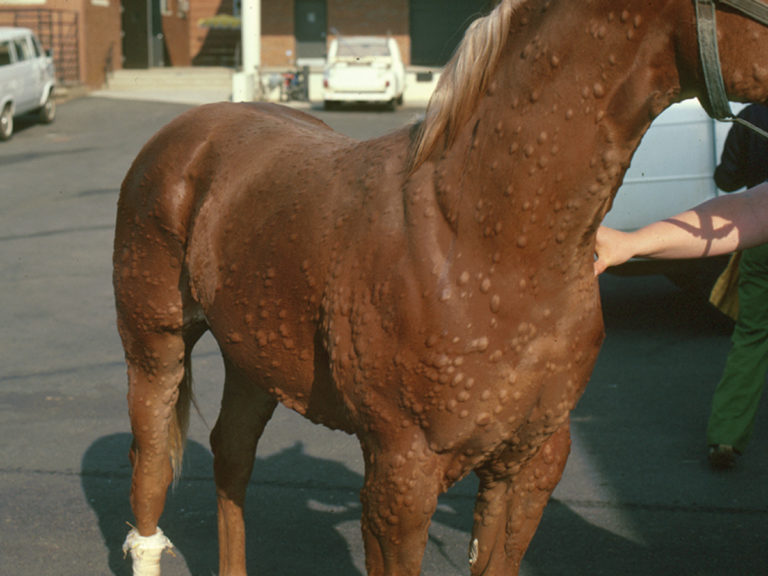
Some horses with neuromuscular disease could have a protozoan parasite Sarcocystis fayeri in their skeletal muscles, researchers learned.

Some horses with neuromuscular disease could have a protozoan parasite Sarcocystis fayeri in their skeletal muscles, researchers learned.

A standing equine PET scanner will soon be available at Santa Anita Park. Veterinarians and researchers hope it will ultimately help identify subtle pre-existing bone changes before they lead to catastrophic injuries.
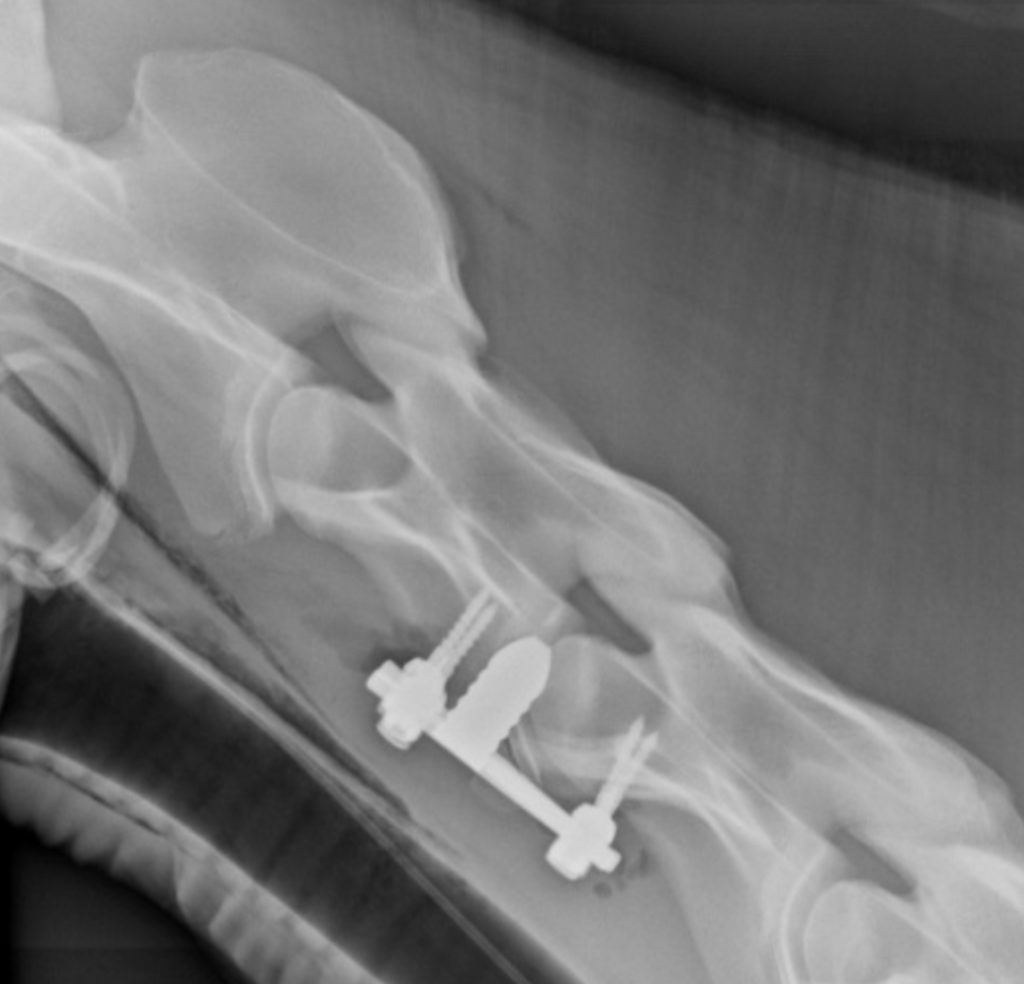
Researchers developed the new method for horses based on work conducted in humans. The procedure involves two stabilization devices: an intervertebral device to reduce compression and screws with rotating heads and connecting rods to stabilize the vertebrae.

A strict series of pre-race procedures is designed to ensure racehorse safety and welfare.
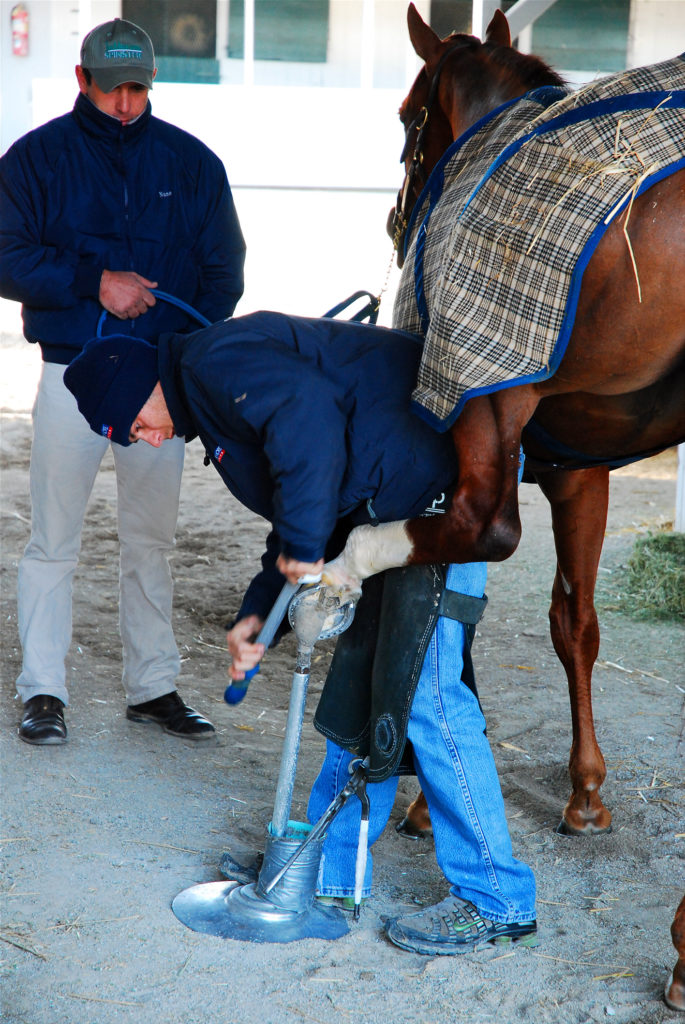
No matter what devices farriers use, their goal is the same: to give each horse the best opportunity to run to his potential. Here’s how they help racehorses succeed on the track.

A variety of initiatives on racing surfaces, race-day scrutiny, and more are in place at all three NYRA tracks—Aqueduct Racetrack, Belmont Park, and Saratoga Race Course.
A dressage horse recovered from EPM but still has an abnormal gait. An equine internal medicine specialist explains why owners of some horses with EPM might observe long-term gait and/or performance issues.
Drs. Mick Peterson and Wayne McIlwraith weigh in on what we’ve learned about racing surface safety, issues currently at hand, and what the future could bring.

Take a look at how adding studs to horseshoes can help horses navigate less-than-ideal footing.

Dietary restriction plus a low-intensity exercise program helped improve overweight horses’ insulin sensitivities, which could help reduce their risk of developing laminitis.
Do abscesses occur more often in front or hind hooves? Do male or female horses recover from hoof abscesses quicker? When are abscesses most commonly diagnosed? Researchers found answers to these questions and more in a recent study.
Funds will be used to renovate space in the University of Kentucky College of Agriculture, Food and Environment to create the NTRA Charities Equine Surfaces and Safety Laboratory.
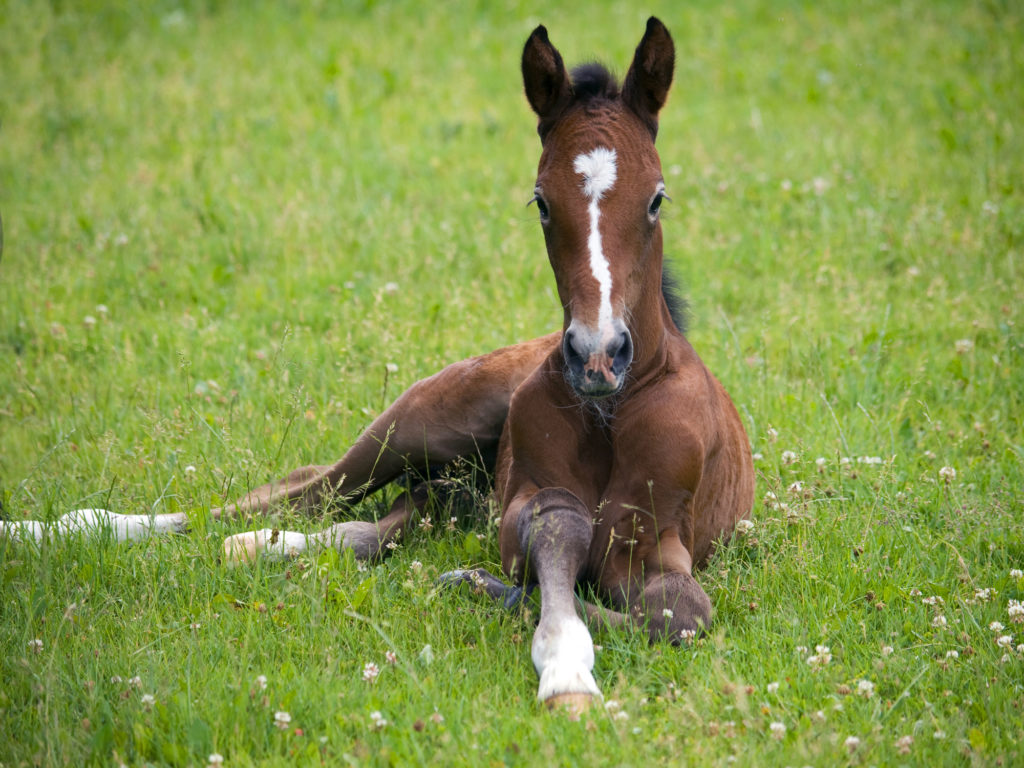
The University of Saskatchewan’s Western College of Veterinary Medicine will cover the fee associated with the necropsy of aborted fetuses, stillbirths, or euthanized foals suspected of having Warmblood fragile foal syndrome to gather additional information about the genetic disease.

Experts share information about the steps needed to identify PSSM, how to distinguish between the types, and recommendations for managing affected horses.

Horses and ponies that gain weight are more than twice as likely to develop laminitis than if they lose or maintain their weight, a recently published study revealed.

When riding your horse in the woods or the wilderness, things can go wrong–and usually when least expected. Here are some possible predicaments you might face while out on the trail.