4 Things You Need to Know to Prevent Endocrinopathic Laminitis
Manage at-risk horses’ diet and exercise to help avoid this painful condition.

Manage at-risk horses’ diet and exercise to help avoid this painful condition.

Experts share best practices for feeding and managing aging metabolic horses.

In this podcast episode two experts answer listener questions about managing horses that have metabolic problems. Sponsored by Dechra.

Read about the do’s and don’ts of feeding horses that have 4 common health conditions, including gastric ulcers, metabolic disorders, and more.

Understand why adhering to your veterinarian’s carefully designed laminitis-care plan is critical to your horse’s welfare and well-being.

Two hoof care experts answer questions about common hoof issues including subsolar abscesses, bruises, and thrush.

Dr. Kristi Gran explains how owners can plan ahead for expenses related to managing a horse with chronic laminitis and why prevention is key.
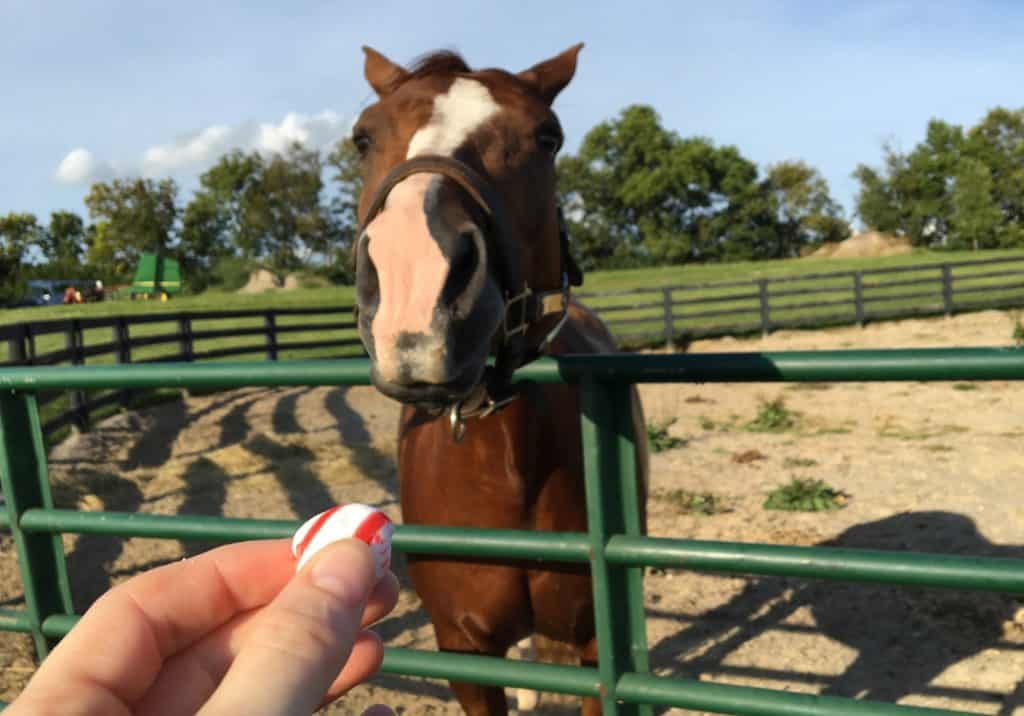
Horses with laminitis can still enjoy an occasional carrot or peppermint, but safer options include low-sugar fruits, veggies, and commercial treats.
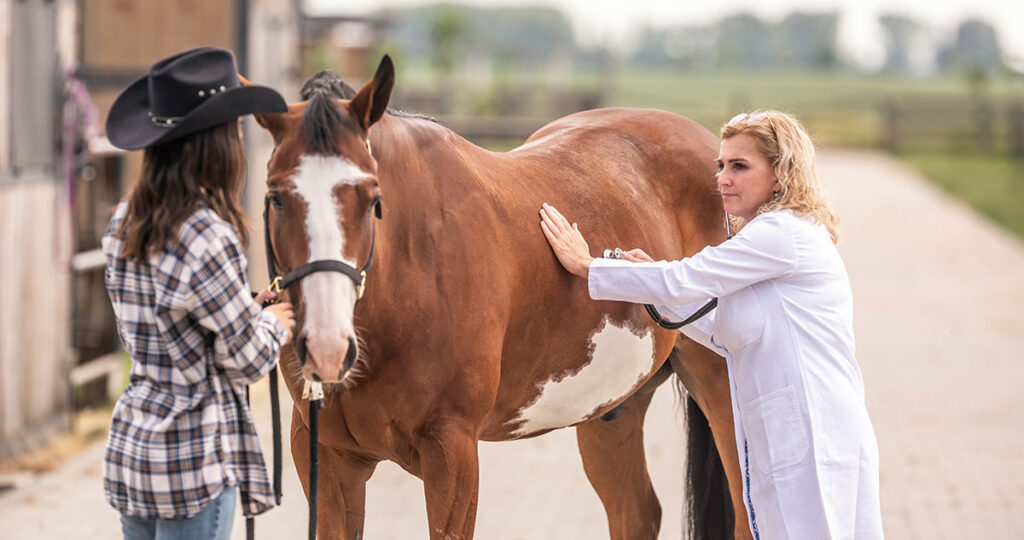
Financial planning and practical management help owners provide effective care for horses with chronic conditions or long-term injuries. Sponsored by CareCredit.

An equine veterinary podiatrist says ice might help address this horse’s foot pain but won’t solve the main problem.

Dr. Howland Mansfield answers a listener question about the connection between equine metabolic problems, such as PPID, and hind-limb lameness.

Learn how horses go from metabolic to laminitic and ways to manage them.

Grass sugar levels shift with time of day, season, and weather. Careful turnout timing can help prevent problems in horses with EMS, IR, or a history of laminitis.
Learn the latest on equine endocrine disease—causes, diagnosis, dynamic testing, and whole-horse treatment strategies—beyond just laminitis. Sponsored by Kentucky Performance Products.

The latest research-based recommendations on managing equine metabolic syndrome and insulin dysregulation. Sponsored by Equithrive.

Laminitis in horses involves multiple pain pathways. Here’s how veterinarians can effectively address them using targeted treatment strategies.